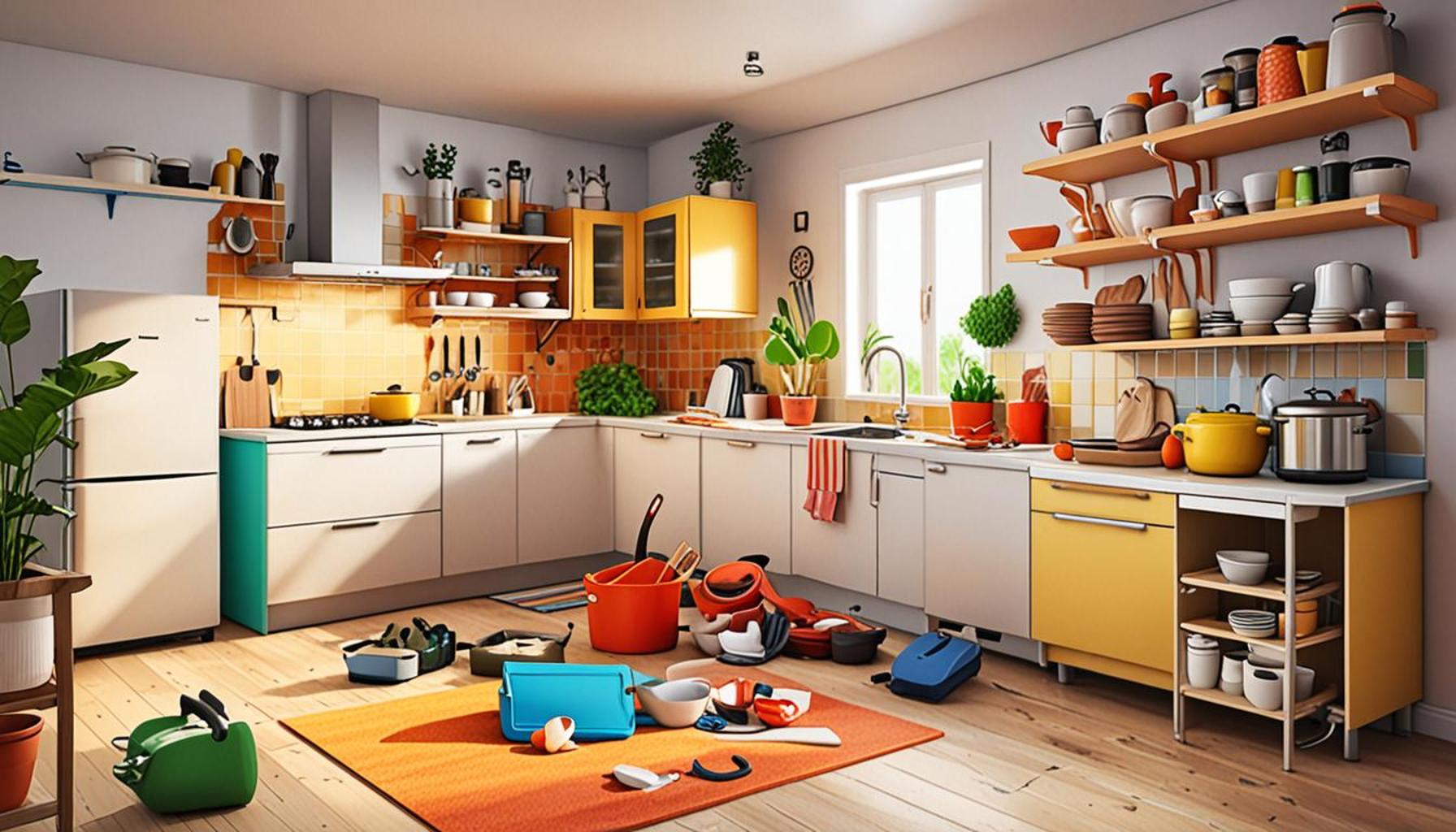
Decluttering with the Family: Strategies to Involve Everyone in Reducing Belongings

Embrace the Journey of Decluttering Together
In today’s fast-paced world, the accumulation of belongings can feel overwhelming for families. Decluttering is not just a personal endeavor; it’s an opportunity to strengthen family bonds while creating a more peaceful living space. Discovering ways to involve all family members adds value and enjoyment to the process, transforming a potentially tedious task into a shared adventure filled with collaboration.
Benefits of Family Involvement
- Shared Responsibility: Engaging in decluttering fosters a sense of teamwork. When everyone pitches in, it not only lightens the workload but also reinforces the importance of collective participation towards achieving a common goal.
- Life Lessons: Involving children in decluttering activities teaches valuable life skills. They learn about decision-making, prioritization, and the benefits of simplicity—essential lessons that can lead to more mindful living as they grow.
- Improved Relationships: When families come together to tackle a project, it enhances communication, fosters understanding, and builds cooperation. This allows family members to bond over shared moments and to appreciate each other’s viewpoints and preferences.
Finding strategies to engage every family member can transform decluttering from a chore into a fun activity. Tailoring your approach based on the age of your children makes a significant difference. For instance, you might employ:
- Games: Turn sorting tasks into playful competitions. For example, see who can fill a donation box the quickest or organize items by category while racing against the clock. This not only adds excitement but also encourages friendly rivalry.
- Family Meetings: Prior to starting the decluttering process, hold a family meeting to discuss what items to keep, donate, or toss. This allows everyone to voice their opinions, fostering a sense of ownership and investment in the decisions made.
- Rewards: Consider offering incentives such as a small treat, a movie night, or a special outing as a reward for the family’s effort in completing the decluttering tasks. This can make the process more appealing, especially for younger children.
As families take on this project, it becomes more than just about reducing belongings; it’s about creating lifelong memories and habits that promote mindfulness and gratitude. By reflecting on what they truly need and appreciate, family members can learn to let go of excess and cultivate a space that truly feels like home.
Exploring new decluttering methods or even consulting popular guides, such as Marie Kondo’s “The Life-Changing Magic of Tidying Up,” can provide valuable insights into different philosophies and techniques that can benefit families as they embark on this journey. Ultimately, successful decluttering creates not just a tidy home, but an environment that supports a fulfilling, intentional life.
DISCOVER MORE: Click here for expert decluttering strategies
Incorporating Family Values into Decluttering
To ensure a successful decluttering process, it’s crucial to connect the act of reducing belongings with family values. By positioning decluttering as not just an organizational effort but also a reflection of what matters most to each family member, you foster a deeper level of engagement. Here are several strategies to align decluttering with family values while keeping everyone involved:
- Family Values Assessment: Initiate the decluttering process by discussing what values your family cherishes most. Whether it’s sustainability, minimalism, or family heritage, understanding these principles can guide your choices about what to keep or discard. This dialogue opens a platform for everyone to express their thoughts, ensuring a more united approach to decluttering.
- Memory Boxes: Encourage everyone to select a predefined number of items that hold sentimental value. Each family member can create a space, such as a memory box, to store these cherished items. This tactic not only helps in decluttering but also instills a sense of nostalgia and appreciation for meaningful belongings, making the process emotionally fulfilling.
- The “One In, One Out” Rule: Implement a family policy where for every new item purchased, an old item must be donated or discarded. This principle fosters a sustainable lifestyle and teaches children the importance of making conscious choices about their possessions. It’s a simple rule that can prevent clutter from accumulating in the future.
- Community Involvement: Extend the decluttering efforts beyond your home by involving your family in community service. Collecting items for local shelters or charities not only clears out space but also instills a sense of gratitude and encourages children to think about the needs of others.
- Visualization Techniques: Discuss your family’s vision for a more organized home. Utilizing visualization techniques—such as drawing or mood boards—can help family members to articulate their ideas of what a decluttered space looks like. This approach serves as a motivational tool, making it easier for everyone to understand the ultimate goal.
As families find their unique rhythm in decluttering, they also develop a skills set that benefits them in other areas of life, such as time management and organization. By integrating these strategies into the decluttering process, families can effectively reduce belongings while nurturing important values that resonate within the household.
Furthermore, regular check-ins on how the decluttering journey is impacting the family dynamic can be beneficial. Open discussions encourage transparency, allowing everyone to feel valued and appreciated, thereby strengthening family ties while maintaining a clutter-free environment.
Engaging the Whole Family in Decluttering
Involving the entire family in the decluttering process does more than simply reduce belongings; it fosters a sense of teamwork and shared responsibility. When everyone participates, you create an environment where open communication is encouraged. This allows family members to express their feelings about their possessions while learning about the value of minimalism. Here are some effective strategies to ensure each family member is engaged in the decluttering process:
1. Establish Family Goals
Set specific decluttering goals that resonate with everyone. Whether it’s reducing the number of toys or organizing shared spaces, having clear targets helps the family stay focused and motivated. A family meeting can help brainstorm and decide on these goals collectively, thereby instilling a sense of ownership.
2. Create a Decluttering Schedule
Designate specific days and times for decluttering sessions. A regular schedule instills a routine, making the process less overwhelming. Each family member can take turns leading the session, giving them a chance to take charge and express their preferences regarding what to keep or donate.
3. Develop an Incentive System
Make decluttering fun by developing a simple reward system. For example, after finishing a decluttering session, families can celebrate with a fun activity, such as a movie night or a trip to an amusement park. This approach keeps spirits high and makes the process feel less like a chore.
4. Use the “Four-Box Method”
Introduce the “Four-Box Method,” where each family member will have four categories for their items: Keep, Donate, Trash, and Relocate. This method helps simplify decisions, encouraging a systematic approach to choosing what to part with. By doing this together, everyone can see the progress made, enhancing motivation.
5. Acknowledge Emotions
Understand that each member may have emotional attachments to items. Encourage discussions around these feelings, validating each person’s attachment. This understanding fosters more empathetic relationships and ultimately leads to smoother transitions during the decluttering process.
Implementing Family Collaboration Tools
Leverage technology to streamline communication. Use collaborative apps for organizing tasks and schedules, ensuring everyone stays informed about upcoming decluttering sessions. Online platforms can also facilitate discussions about what to keep, making the decision-making process more accessible and less contentious.Engaging the entire family in decluttering not only simplifies your home but also builds lasting memories and teaches valuable lessons about letting go and valuing space. By implementing these strategies, your family can transform decluttering into a meaningful, collective endeavor that improves your living environment and strengthens family bonds.
DON’T MISS OUT: Click here to discover how a minimalist mindset can boost your efficiency</
Making Decluttering a Fun Family Activity
Turning the decluttering process into an enjoyable family activity can significantly enhance engagement and foster teamwork. When decluttering is perceived as a chore, family members may resist participating; however, transforming it into a fun experience can motivate everyone to contribute willingly. Here are some effective strategies to make decluttering more interactive and enjoyable:
- Decluttering Challenges: Create friendly competitions among family members. For example, organize a timed challenge to see who can declutter the most items within a set period. This not only drives participation but also injects an element of excitement into what seems like a mundane task. Celebrate the winner with a small reward, such as choosing the family movie for the night, to reinforce positive behavior.
- Themed Decluttering Days: Introducing themed decluttering days, such as “Toys for Tots” or “Wardrobe Refresh,” allows family members to focus on specific areas and injects creativity into the process. For instance, set a day dedicated solely to children’s toys, where each child can decide what to keep, donate, or upcycle. Incorporating themes can make decluttering feel more festive, reminiscent of spring cleaning.
- Listening to Music or Podcasts: Music can energize the decluttering atmosphere. Create a family playlist with everyone’s favorite upbeat songs or tune into engaging podcasts while sorting through belongings. The background sound can uplift moods and create an ambiance that renders the task less tedious.
- Crafting Sessions: Transform some unwanted items into crafts rather than discarding them outright. Host crafting sessions where family members can repurpose or upcycle their old belongings into something new and functional, such as turning T-shirts into bags or creating art from old magazines. This not only reduces clutter but also fosters creativity and teamwork.
- Decluttering Story Time: As family members sort through items, encourage storytelling around each item. Ask questions like, “What made this item special?” or “Why did we buy this?” Sharing stories can help everyone understand the emotional value of things, aiding in decision-making about what to keep or let go. This practice adds depth to the decision-making process and allows for reflection on memories together.
The act of decluttering doesn’t have to be a daunting endeavor; instead, when families collaborate creatively, the experience can strengthen bonds and instill a sense of accomplishment. Research shows that family activities promote emotional health and togetherness, helping to build resilience and adaptability in children. A study published in the Journal of Family Psychology highlights that families who engage in shared activities develop stronger family identities and improve communication skills.
Moreover, utilizing tools such as a family calendar can keep momentum alive. Schedule regular decluttering sessions—whether weekly or monthly—to maintain an organized space and prevent clutter from piling back up. Setting aside time emphasizes the importance of an organized living environment while making it a structured activity everyone can work towards.
By adopting these strategies, families can enjoy the process of decluttering together, ensuring that everyone feels included and valued in their efforts to reduce belongings while embracing the values that truly matter in their lives.
DIVE DEEPER: Click here to discover more
Conclusion: The Lasting Benefits of Family Decluttering
In conclusion, the journey of decluttering as a family isn’t merely about reducing belongings; it is an opportunity to cultivate bonds, instill values, and promote teamwork among family members. By implementing engaging strategies that transform this process into a recreational activity, families can turn what might feel like a burdensome task into a delightful experience. From creating decluttering challenges to incorporating themed decluttering days, these innovative approaches not only make the act of sorting through possessions enjoyable but also foster a collaborative spirit that strengthens relationships.
Moreover, the psychological benefits of shared activities are profound. Families who declutter together are more likely to create lasting memories, improve communication, and develop a shared sense of purpose. Recognizing the emotional significance of belongings through storytelling can also enhance decision-making processes, encouraging respect for each other’s sentiments and attachments. By actively involving every family member, parents can cultivate responsibility and mindfulness about their possessions, equipping children with essential life skills that they carry into adulthood.
To maintain the momentum and benefits of decluttering, it is advisable to schedule regular family sessions and establish decluttering rituals. These practices not only ensure that clutter does not resurface but also reinforce the importance of a tidy living environment. With these strategies in place, families can embrace a clutter-free lifestyle that emphasizes simplicity, connection, and a shared commitment to creating space for what truly matters.