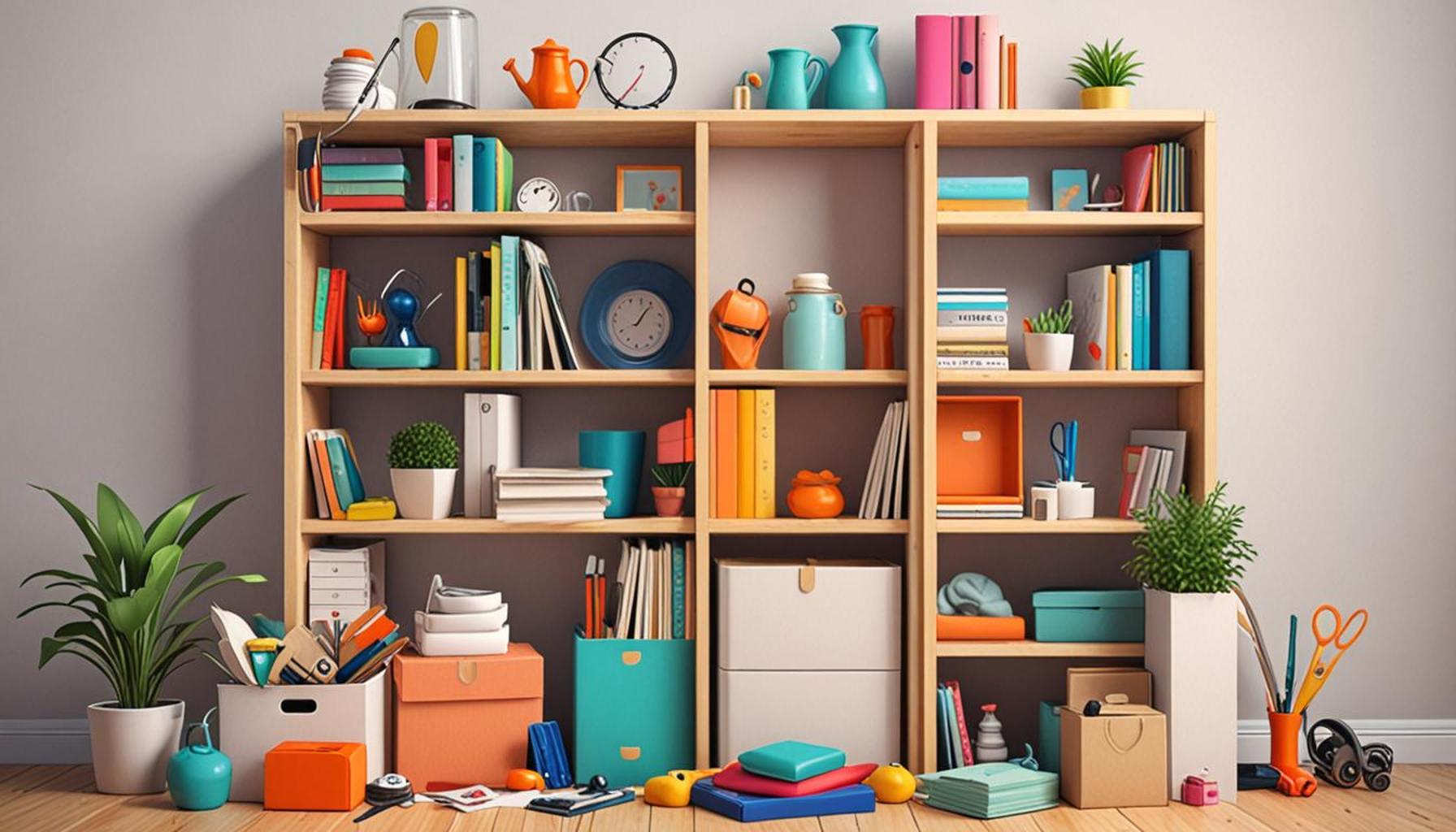
The Emotional Impact of Decluttering: How Reducing Belongings Improves Mental Health

The Emotional Impact of Decluttering
Living in a cluttered environment can lead to overwhelming feelings and stress. The accumulation of belongings often weighs heavily on our mental state. But what if simplifying our surroundings could lead to a more peaceful mind? With the fast-paced lifestyle many people lead, especially in the United States, clutter can become an unwelcome companion in our daily lives, leading to a disorganized space that reflects a disorganized mind.
Decluttering has gained recognition not only as a passing trend but as a transformative practice for mental health and well-being. When individuals decide to clear out their spaces, they often find their emotional landscapes changing as well. Below are some of the profound benefits that come with decluttering:
- Reduced Anxiety: Navigating through a chaotic environment can heighten feelings of anxiety. A clean, organized space, in contrast, creates a calm atmosphere, helping to reduce daily stressors. For example, many individuals report feeling a significant decrease in anxiety levels after simply making their beds or clearing off a desk, thereby creating a small but impactful oasis of calm in their day.
- Increased Focus: Less clutter allows for better concentration and productivity. Research has shown that a tidy workspace can lead to improved cognitive function. For students or professionals who often juggle multiple tasks, clearing their working area can lead to heightened focus, enabling them to tackle projects with greater efficiency.
- Improved Mood: An organized home can markedly boost your emotional well-being and foster positivity. The simple act of decluttering can lead to feelings of accomplishment and satisfaction. For instance, many people feel a rush of joy when they donate clothes they no longer wear, knowing they are making space for new experiences while helping others.
Interestingly, studies suggest that the act of decluttering can release endorphins, those feel-good hormones that elevate your mood. This physiological response may contribute to why many experience a “high” after a successful decluttering session. Furthermore, less visual chaos allows for clearer decision-making, as distractions fade away.
As individuals in the United States increasingly face mental health challenges, exploring methods like decluttering may offer a surprising solution. With the relentless consumer culture that often prioritizes material possessions over personal well-being, understanding how reducing belongings influences mental health becomes essential for fostering a happier and less stressful life. The correlation between mental clarity and physical space can be a powerful insight for those looking to enhance their overall quality of life.
This article delves into the emotional impact of decluttering, revealing how a simpler lifestyle can dramatically elevate our mental health. Journey with us to uncover the profound effects of letting go, and consider how a decluttered space might lead not only to a more organized home but also to a more serene mind.
DIVE DEEPER: Click here to discover how decluttering can promote sustainability</p
The Psychological Benefits of a Clear Space
In today’s fast-paced society, where consumerism thrives and material possessions take center stage, the emotional toll of clutter is often underestimated. When we talk about reducing belongings, we are not just discussing physical space; we are delving into the psychological impact of our living environments. Research has shown that a disorganized home can lead to increased stress, anxiety, and even feelings of shame. Conversely, adopting a decluttered lifestyle can lead to profound shifts in mental health and emotional well-being.
Many individuals find themselves weighed down by not just the items they own but by the obligations tied to them—whether it’s the guilt of forgetting gifts or the stress of maintaining things they don’t use. The process of decluttering allows one to confront these feelings directly. Taking the time to sort through belongings often initiates a valuable self-reflection process, prompting questions like, “What truly brings me joy?” and “What do I value most in my life?”
The Power of Letting Go
Letting go is a recurring theme in the journey of decluttering. It’s not only about the physical act of discarding items but also about making emotional and mental space for new experiences and positive energies. Here are some significant psychological benefits associated with the act of letting go:
- Relief from Emotional Burdens: Unruly clutter can often symbolize unresolved emotions. By removing unnecessary items, individuals can release associated negative feelings, paving the way for clarity and emotional freedom.
- Enhanced Self-Esteem: Successfully decluttering spaces can lead to feelings of achievement. The act of completing a decluttering project—be it a closet, room, or an entire home—can significantly boost self-esteem, reinforcing a sense of control over one’s surroundings.
- Mindfulness in Decision Making: Decluttering promotes mindfulness, as individuals must engage in the process of evaluating what they want to keep versus what can be let go. This reflection often carries over into other areas of life, encouraging more intentional decision-making.
Moreover, studies indicate that improved mood is a common outcome following decluttering. The psychology behind this is linked to a cleaner environment fostering a healthier mindset. As individuals tidy their spaces, they create a physical representation of their emotional clarity—less “mental clutter,” if you will. This connection between physical surroundings and mental state emphasizes the importance of cultivating a space that is both organized and nurturing.
In light of the increasing mental health crisis in the United States, it becomes essential to explore effective interventions that can promote well-being. The act of reducing belongings stands out as a practical and impactful method toward enhancing mental clarity and emotional resilience. By addressing clutter, individuals can embark on a journey of self-discovery, turning their homes into sanctuaries that support mental health rather than hinder it.
The Emotional Impact of Decluttering
Decluttering not only leads to a more organized physical space but also creates a significant emotional shift. When individuals are surrounded by less clutter, they often experience improved mental clarity and a sense of freedom. The act of sorting through belongings can serve as a liberating process, allowing individuals to confront their past, let go of what no longer serves them, and make room for new opportunities.
This newfound space fosters an environment conducive to mindfulness, promoting a sense of peace and reducing anxiety levels. Research indicates that living in a clutter-free environment can lead to lower stress levels and improved focus. Consequently, a cleaner space often translates into a clearer mind, enabling better decision-making and creativity.
Furthermore, decluttering can enhance one’s emotional health by increasing feelings of control. In times of uncertainty or chaos, managing one’s physical surroundings provides a tangible way to reclaim a sense of order. This action can stimulate feelings of accomplishment, boosting self-esteem and overall satisfaction with life.
As people begin to experience the benefits of reduced possessions, they often discover new ways to engage in activities that rejuvenate their spirit, such as exercising, pursuing hobbies, or spending quality time with loved ones. As such, decluttering extends far beyond just an organizational task; it becomes a pathway to emotional healing and enhanced well-being.
| Category | Description |
|---|---|
| Mental Clarity | Clutter-free environments promote enhanced focus and reduced anxiety. |
| Emotional Well-being | A sense of control and accomplishment boosts self-esteem and satisfaction. |
The ripple effects of decluttering continue to cultivate a more peaceful and productive lifestyle. As individuals simplify their surroundings, they often unlock a path to greater happiness, fulfilling personal growth, and revitalized mental health. Whether considering small changes or embarking on a significant life overhaul, the emotional rewards of reducing possessions can be profound and lasting.
DISCOVER MORE: Click here to find out how to prioritize what truly matters
Creating a Sense of Control and Stability
The emotional impact of decluttering extends beyond immediate relief and satisfaction; it has the potential to foster a heightened sense of control and stability in one’s life. When individuals are surrounded by chaos and clutter, it often leaves them feeling overwhelmed, leading to a diminished sense of agency. However, by actively engaging in the process of reducing belongings, people can reclaim this control over their environment, which translates into greater emotional stability.
One influential study published in the journal Environment and Behavior revealed that individuals who kept their living spaces organized reported lower levels of anxiety and felt more in charge of their daily lives. This reflects a strong correlation between neat spaces and a positive mental state, suggesting that a decluttered home indeed contributes to a decluttered mind. Moreover, the ritual of decluttering creates a structured activity—a coping mechanism that many find beneficial in times of stress or uncertainty.
The Therapeutic Nature of Decluttering
The act of decluttering can also be viewed as a therapeutic exercise. Much like meditation or yoga, it encourages individuals to focus on the present moment, engaging in self-care practices that prioritize mental health. Cognitive Behavioral Therapy (CBT) incorporates elements of organization and mindfulness to challenge and change unhelpful thoughts and behaviors. As decluttering aligns with these principles, individuals may find it serves as a practical method for self-improvement and mental well-being.
Furthermore, the emotional benefits of decluttering can surface after conducting simple tasks such as sorting through a drawer or rearranging a closet. Research has indicated that these small victories lead to a metaphorical ‘clearing of the mind’, prompting feelings of accomplishment and clarity. With each item taken out of a space, individuals can diminish their cognitive overload, enabling them to focus on the important aspects of their lives, such as relationships, personal goals, and self-care.
Building Healthy Habits Through Minimalism
Another emotional benefit tied to reducing belongings is the opportunity to embrace a minimalist lifestyle. Minimalism goes beyond just decluttering; it encourages individuals to create lasting habits that prioritize quality over quantity. By intentionally choosing to keep fewer items, people learn to appreciate what they have, thus fostering gratitude—a powerful tool for enhancing mental health.
Adopting a minimalist approach can significantly reduce decision fatigue. Instead of daily struggles over what to wear or what to keep, individuals experience clarity in their choices, leading to a more peaceful state of mind. This shift can be particularly relevant in a culture that is constantly bombarded with advertisements and messages pushing consumerism. The practice of intentional living can empower individuals to refocus their energies on experiences rather than possessions, reshaping their approach toward happiness.
Ultimately, the emotional impact of decluttering not only enhances mental health but also encourages more meaningful connections with oneself and the world around them. As individuals navigate the relationship between their belongings and their emotional well-being, they become equipped to journey toward a more intentional, fulfilling life.
DISCOVER MORE: Click here to learn about decluttering strategies
Embracing Emotional Clarity Through Decluttering
In conclusion, the journey of decluttering is not merely about getting rid of physical items; it is an invitation to explore emotional well-being and clarity. As we’ve discussed, the process of reducing belongings cultivates a sense of control and stability, allowing individuals to reclaim their environments and, by extension, their mental health. The therapeutic nature of decluttering serves as an essential tool for mindfulness, promoting self-care while cultivating positive emotional health.
Moreover, adopting a minimalist mindset encourages a deeper appreciation for what we possess, fostering gratitude and reducing decision fatigue. As individuals learn to prioritize quality over quantity, they pave the way for more peaceful and enriching lives, free from the chaos that material possessions often bring.
The implications of these practices extend beyond individual well-being; they can reshape our relationships with both ourselves and others, nurturing meaningful connections and experiences. As we become more discerning about our belongings, we also make room for more significant interactions and moments that truly matter.
Ultimately, the emotional impact of decluttering is profound and transformative. It empowers individuals to break free from the overwhelming cycle of consumerism and chaos, allowing them to forge a path toward intentional living. By delving into the emotional benefits of decluttering, we invite you to embark on your own journey of discovery, liberation, and enhanced mental health. The rewards of this practice are waiting just beneath the surface of those cluttered spaces, waiting for you to unlock them.