Multifunctional Space: Creating Versatile Environments with Minimalist Organization Principles
Redefining Living Spaces
In today’s fast-paced world, the need for multifunctional spaces has never been greater. Urbanization and rising living costs compel many to rethink traditional layouts, transforming how we interact with our environments. Minimalism emerges not just as an aesthetic choice but as a necessity for creating versatile living areas.
Why Embrace Multifunctional Spaces?
Modern homes are increasingly designed to serve multiple purposes. The concept of multifunctional spaces is especially pertinent in cities like New York, San Francisco, and Los Angeles, where square footage is at a premium. In this context, there are several compelling reasons to consider:
- Space Optimization: Making the most out of limited square footage is essential. For example, a tiny studio apartment can integrate a Murphy bed that folds away, freeing up floor space for daily activities. This approach permits the user to transform their living area from a bedroom into an entertainment space with ease, demonstrating how function and style can coexist.
- Cost-Effectiveness: In urban settings, real estate prices skyrocket, making it unfeasible to have separate rooms for every activity. Multifunctional living not only maximizes utility but also helps in reducing expenses associated with furnishing specialized rooms. For instance, a dining table that doubles as a workspace allows individuals to work from home effectively without needing an additional office setup.
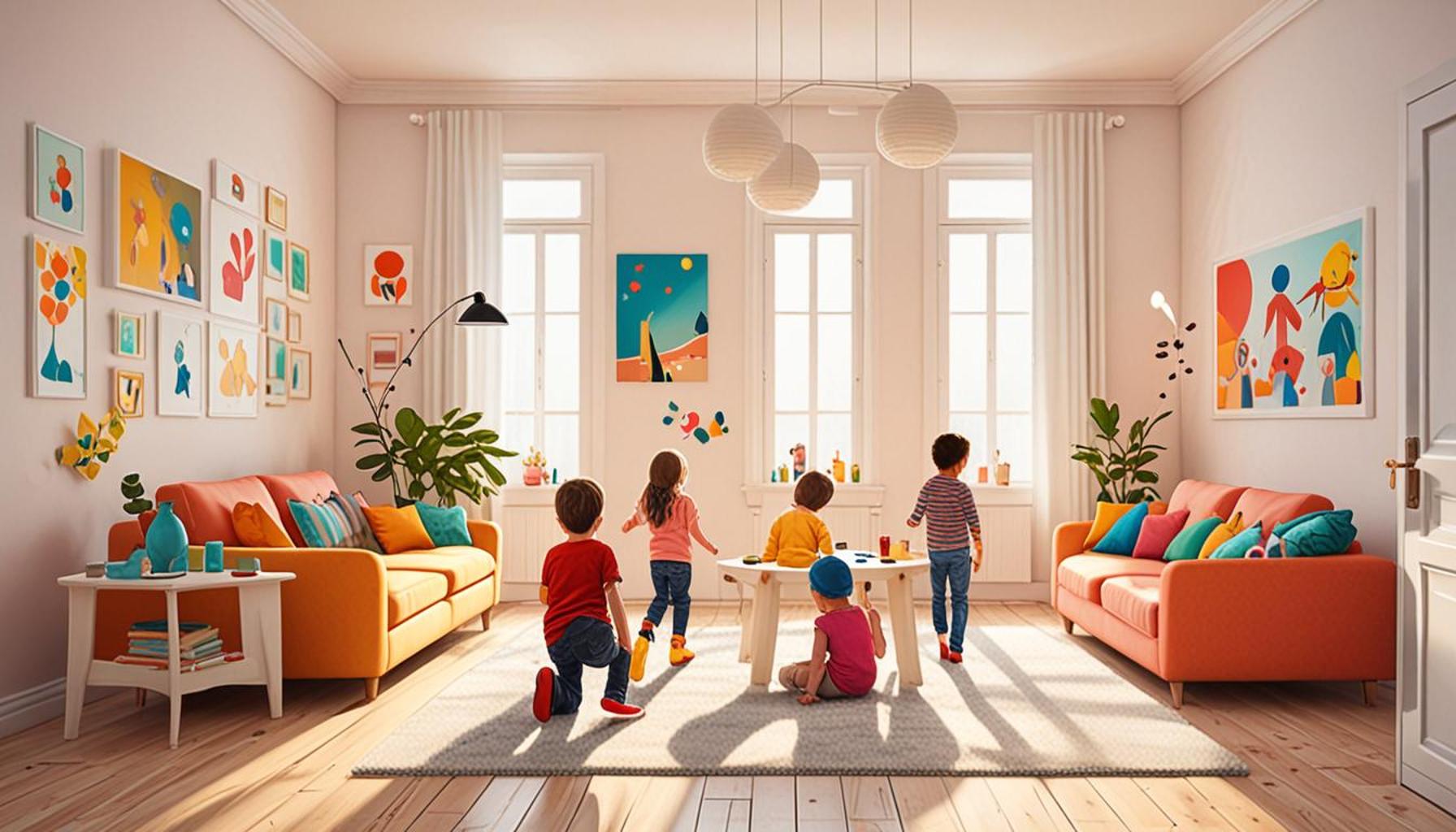
- Flexibility: Adapting to changing needs and lifestyles is paramount. For families, children grow and their requirements shift. A playroom can transform into a study area as kids age, ensuring that the home evolves alongside the inhabitants. Thus, versatile spaces are particularly appealing for renters who desire functionality without long-term commitments.
Principles of Minimalist Organization
Central to creating these environments is the application of minimalist organization principles. Successful minimalist design fosters not only aesthetics but also functionality. The following key practices enhance multifunctional spaces:
- Decluttering: Eliminating unnecessary items promotes clarity and peace of mind in a home. A strategic ‘one in, one out’ policy can help maintain a streamlined environment, allowing occupants to focus on essentials rather than distractions.
- Multi-Use Furniture: Utilizing innovative furniture solutions is vital for maximizing space. Sofas that convert into beds, ottomans with hidden storage, or dining tables equipped with collapsible extensions meet various needs without sacrificing design, making them invaluable additions to any home.
- Smart Storage Solutions: Employing vertical space and hidden compartments aids in organization. Custom shelves and wall-mounted cabinets can elevate a room’s utility while keeping clutter at bay, allowing residents to create a minimalist sanctuary amidst the chaos of daily life.
As we delve deeper into the art of multifunctional living, you’ll discover practical approaches to optimize your own spaces. From urban apartments to family homes, the shift to versatile environments is an inspiring journey worth exploring. Consider how you can reimagine your living space to not only reflect your personal style but also enhance your lifestyle and efficiency. Embracing this trend can lead to improved quality of life, making your home a true reflection of the modern age.
DISCOVER MORE: Click here to delve deeper
Understanding the Role of Multifunctional Design
The trend toward multifunctional spaces is deeply tied to our evolving lifestyle and societal shifts. As more individuals and families find themselves in urban environments where every square foot counts, exploring how spaces can serve multiple purposes becomes crucial. This phenomenon is not merely a passing fad but a sustainable approach to living, allowing for intelligent design choices that cater to both practicality and personal expression.
The Importance of Designing for Flexibility
Flexibility in a home environment is paramount, especially given the unpredictable nature of modern life. The capability to adapt spaces to suit different activities—such as hosting guests, working from home, or simply unwinding in a personal sanctuary—can significantly enhance the overall quality of life. The following elements are central to achieving flexible design:
- Transformative Areas: Spaces crafted for transformation can quickly shift to meet the needs of their inhabitants. For instance, a living room with a modular sofa can be easily rearranged for a movie night with friends or to create a cozy reading nook. Such dynamism ensures that each space feels relevant regardless of its use.
- Integrated Work and Leisure Zones: With remote work becoming increasingly prevalent, the need for a seamless blend of work and leisure areas has arisen. Designers are responding by incorporating office elements into common areas, such as built-in desks or compact workstations that can be tucked away when not in use. This integration minimizes the segregation of functions while promoting productivity and relaxation within the same space.
- Outdoor Connectivity: The trend toward creating multifunctional spaces extends beyond the indoors. Connecting an interior space with an outdoor living area can create a cohesive environment that expands usable square footage. Outdoor patios or balconies outfitted with flexible furniture can serve as dining spaces, lounges, or even makeshift workstations when fully equipped.
As we explore the principles behind minimalist organization, it’s essential to understand how they complement the versatility of multifunctional design. Minimalism isn’t just about the absence of clutter; it’s about creating an intentional environment that encourages efficiency and tranquility. This approach aligns perfectly with the demand for multifunctional spaces, as both prioritize the effective use of available resources.
Embracing Minimalist Organization
Minimalist organization principles serve as a guiding framework for maximizing the potential of multifunctional spaces. These principles pave the way for creating environments that are not only aesthetically pleasing but also incredibly functional. In the coming sections, we will delve deeper into strategies that embody minimalism, from strategic storage solutions to the implementation of innovative furniture designs, all aimed at promoting a harmonious living experience.
In the age of multifunctional living, tapping into minimalist organization principles will not only optimize your space but also redefine how you perceive and utilize your environment. By rethinking traditional layouts and embracing versatile designs, you can create a home that reflects both your lifestyle and your aspirations.
Exploring the Power of Multifunctional Spaces
In our increasingly busy lives, the demand for multifunctional spaces that optimize utility without compromising aesthetics has never been greater. These versatile environments allow homeowners to adapt their space to various needs, making them ideal for modern living. By employing minimalist organization principles, individuals can transform even the smallest areas into dynamic, functional hubs.
Key Components of Multifunctional Spaces
At the heart of creating multifunctional spaces lies the concept of flexibility. Through the use of modular furniture and adaptable layouts, a single room can serve as a home office, a guest bedroom, and a cozy living area—all at once. For instance, a fold-out desk can seamlessly transition from a workspace to a dining table, while a Murphy bed can maximize sleeping space without sacrificing daytime usability.
Minimalist Organization Principles
Minimalist organization is essential for maintaining clarity and functionality in these versatile environments. Utilizing storage solutions that blend with decor can help prevent clutter. Consider, for example, built-in shelves or under-bed drawers that keep essential items within reach while remaining out of sight. Such strategies not only enhance visual appeal but also promote a tranquil atmosphere conducive to productivity.
Benefits of Multifunctional Spaces
Incorporating multifunctional spaces into your home offers a plethora of benefits. Not only do these spaces save money by negating the need for large square footage, but they also promote sustainability by encouraging resourceful living. Additionally, they can contribute to improved mental well-being—a tidy, organized space often leads to reduced stress and increased focus.
| Category | Key Features |
|---|---|
| Versatility | Transforms one room for multiple uses |
| Efficiency | Maximizes space and minimizes clutter |
By embracing these ideas, anyone can start crafting their ideal multifunctional space that not only meets their daily needs but also adds value to their living environment. The journey towards innovative space design is not just a trend but a reflection of how we adapt to changing lifestyles.
DISCOVER MORE: Click here for practical tips on creating a zen space
Maximizing Functionality Through Thoughtful Design
As we delve deeper into the interplay between multifunctional spaces and minimalist organization, it is essential to explore the mechanisms that enable these environments to operate effectively. Thoughtful design strategies that prioritize both usability and simplicity can drastically improve the functionality of any space, allowing it to cater to various needs without overwhelming the inhabitants.
Innovative Storage Solutions
One of the fundamental challenges of creating a multifunctional space is managing storage effectively. An overabundance of items can quickly disrupt the desired ambiance of minimalism, so incorporating innovative storage solutions is vital. Here are a few strategies that highlight effective use of storage:
- Under-furniture Storage: Utilizing the vacant spaces beneath beds, couches, and coffee tables allows for efficiency without compromising aesthetic appeal. Designers are increasingly embedding drawers and compartments into these areas, offering a hidden refuge for items that need to be stored but not displayed. This method encourages orderly environments without intruding on everyday life.
- Multi-functional Furniture: Investing in furniture that serves multiple roles can revolutionize how we perceive and interact with our environment. For example, ottomans that double as storage bins or coffee tables that convert into dining surfaces cater to diverse activities while maintaining simplicity. By focusing on items with purpose, homeowners can minimize clutter while maximizing utility.
- Vertical Storage Solutions: When floor space is limited, vertical solutions become paramount. Shelving units, wall-mounted racks, and hanging organizers elevate storage off the ground, preserving valuable real estate while maintaining an open and airy feel. A well-placed floating shelf can transform a small kitchen into an efficient culinary workspace, or a home office can morph into a serene reading nook with strategically installed bookshelves.
Color and Light: Enhancing Perception
A crucial aspect of designing multifunctional spaces involves the effective use of color and light. Both elements significantly influence how individuals perceive and experience a space. Here’s how these elements can be harnessed:
- Neutral Color Palettes: Soft, neutral colors create a calming backdrop that encourages relaxation and cognitive clarity. Shades of white, beige, and gray reflect light, making spaces appear larger and more open. By keeping the color scheme minimal, accents can be introduced through furnishings and décor without overwhelming the senses.
- Adaptive Lighting: Implementing layered lighting systems can transform the mood of a space to suit various functions. For instance, ambient lighting can create a cozy atmosphere for relaxation, while task lighting can enhance productivity in work zones. Dimmer switches or smart lighting solutions allow residents to customize their environment with ease, supporting the versatility of each space.
In essence, the synergy between multifunctional spaces and minimalist organization principles is a paradigm shift that reflects contemporary demands for flexibility and simplicity. By focusing on innovative storage solutions and the thoughtful application of color and light, individuals can create harmonious environments that adapt to diverse activities and lifestyles. As the notion of home continues to evolve, embracing these design philosophies may redefine the way we view and utilize our living spaces.
DISCOVER MORE: Click here to learn about the benefits of simplified living
Conclusion: Embracing the Multifunctional Space Revolution
In conclusion, the concept of multifunctional spaces infused with minimalist organization principles offers a refreshing approach to modern living. As urbanization and lifestyle changes demand greater versatility in our environments, the integration of innovative storage solutions and thoughtful design provides essential tools for optimizing limited space. By embracing under-furniture storage, multi-functional furniture, and vertical storage, homeowners can create environments that adapt seamlessly to various needs.
Moreover, leveraging the power of color and light enhances the psychological and physiological response to spaces, promoting not only functionality but also comfort and tranquility. Neutral color palettes and adaptive lighting solutions pave the way for experiences that are both utilitarian and aesthetically pleasing. This harmonious balance is paramount in creating spaces that resonate with today’s dynamic lifestyles.
As individuals seek to cultivate surroundings that reflect their values of flexibility and minimalism, the principles outlined in this exploration encourage a reimagined perspective on home design. By prioritizing simplicity and purpose, anyone can transform their living spaces into sanctuaries of multi-functionality. Ultimately, the journey towards redefining our environments is not just about managing physical space; it’s about enhancing our quality of life. To delve deeper into this movement, consider how these principles can be integrated into your own home and explore the possibilities that await.