Simplicity in Decoration: How Minimalism Can Transform the Perception of Space
Exploring Minimalism in Home Decoration
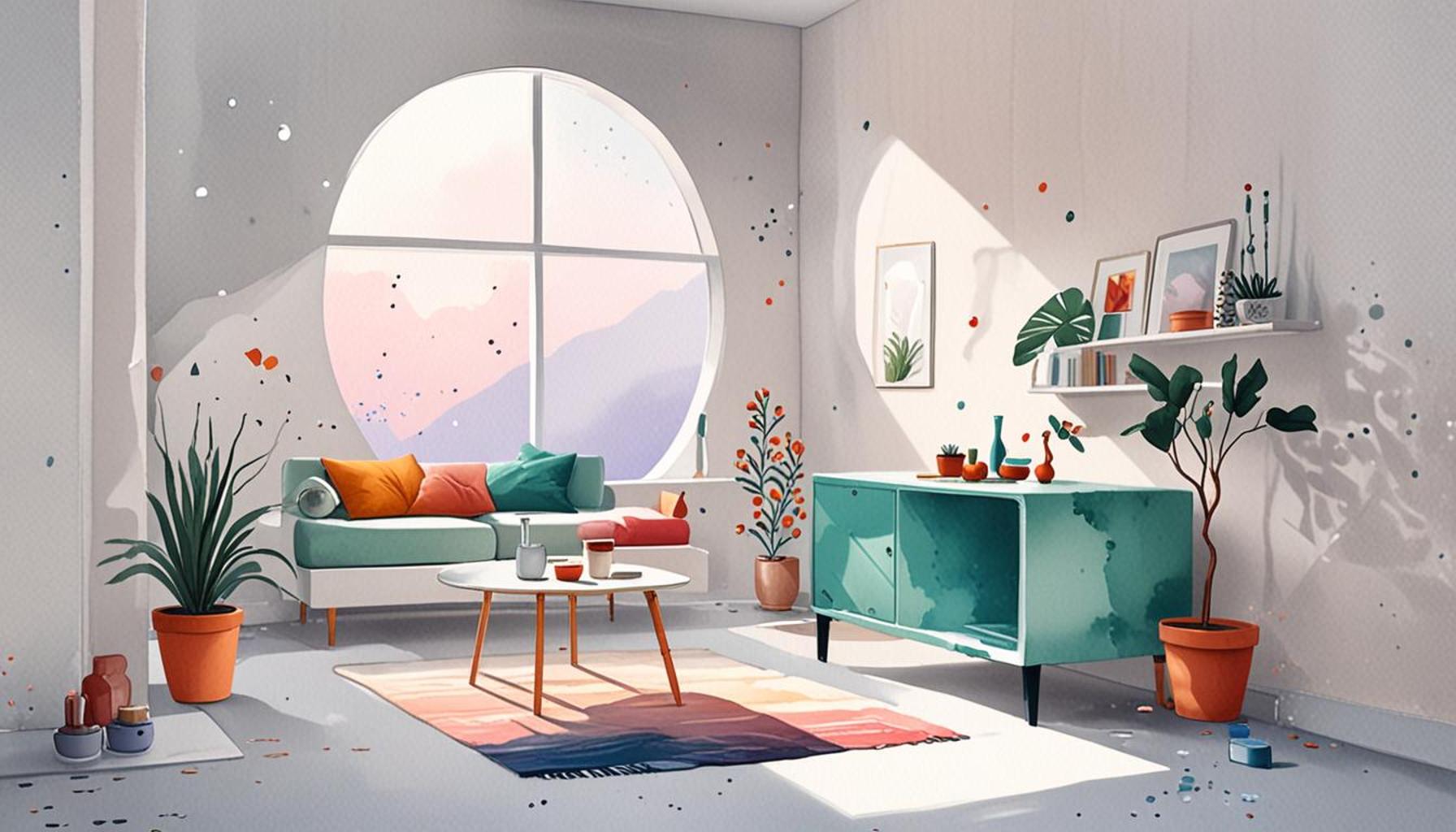
In a world overflowing with clutter, the concept of minimalism emerges as a refreshing breath of air. Minimalism in decoration emphasizes simplicity, functionality, and tranquility, leading to a profound transformation in how we perceive our spaces. This approach champions the idea that less truly is more, allowing homeowners to create serene environments that speak volumes. By embracing minimalism, individuals can cultivate a lifestyle that values quality over quantity.
So, how can minimalism reshape our living areas? Consider the following essential elements:
- Neutral Color Palettes: Soft whites, muted grays, and earthy tones create a calming atmosphere. For instance, a living room adorned with soft beige walls paired with cream-colored furniture can evoke a feeling of peace and spaciousness. When choosing colors, it’s valuable to remember that different hues can evoke various emotions, so selecting a serene palette is crucial in establishing a minimalistic ambiance.
- Functional Furniture: Pieces that combine utility with aesthetic appeal maximize space effectively. For example, a sleek coffee table that provides additional storage can declutter your area while maintaining stylistic integrity. This approach often involves selecting multi-functional pieces, such as a sofa bed or an ottoman with hidden compartments, which seamlessly align with a minimalist ethos.
- Thoughtful Decor: Each item should serve a purpose or evoke a positive emotion, minimizing unnecessary distractions. Instead of adorning walls with numerous art pieces, consider showcasing a single statement artwork that resonates deeply with you. This not only simplifies your space but also creates a focal point that enhances the room’s character.
These principles do not solely enhance the visual appeal; they also contribute to mental clarity and focus. As homes become more streamlined, residents often report feeling more at peace and centered. The absence of clutter fosters an environment that promotes mindfulness, allowing individuals to channel their energies towards what truly matters in their lives.
Exploring simplicity in decoration invites introspection about what truly matters in our personal spaces. By decluttering and thoughtfully curating items in your home, the experience becomes more personal and enriching. For instance, consider taking a weekend to evaluate each space in your home and ask whether these items bring you joy or serve a purpose. By embracing minimalism, you may discover a newfound appreciation for both the design and the deeper connections within your home.
Ultimately, minimalism is not merely an aesthetic choice; it is a profound philosophy that encourages individuals to seek beauty in simplicity. As you explore this transformative journey, you may find that less indeed translates to more—more peace, more purpose, and more fulfillment in the spaces you inhabit.
DISCOVER MORE: Click here to learn about the link between minimalism and meaningful living
The Impact of Minimalist Principles on Interior Design
The principles of minimalism extend well beyond mere aesthetics; they represent a philosophical shift that redefines our relationship with space. By stripping away the extraneous, minimalism invites us to appreciate the beauty of simplicity. When adopting a minimalist approach in decoration, attention to detail becomes paramount. Each element in your home serves a narrative, capturing moments and memories without overwhelming the senses.
One of the most striking transformations is the way minimalism enhances spatial perception. A well-decorated minimalist room can create an illusion of expanded space, encouraging a sense of freedom and fluidity. Consider these key aspects that contribute to this perception:
- Open Floor Plans: Embracing open layouts allows for seamless transitions between spaces, promoting connectivity while minimizing physical barriers. Spaces that flow into one another create an environment that feels larger and more inviting. By utilizing furniture to demarcate areas rather than separate them, you foster an environment that is both functional and open.
- Natural Light: Maximizing natural light plays a crucial role in how we perceive space. Large windows, glass doors, and reflective surfaces contribute to a bright, airy atmosphere. Strategically placing mirrors throughout the room can amplify this effect, as they bounce light and create an enchanting interplay of reflections.
- Smart Organization: In minimalism, organization transcends mere storage solutions; it becomes an art form. Using shelves that float, built-in cabinetry, or hidden storage allows you to keep clutter at bay while maintaining an uncluttered aesthetic. This holistic approach reinforces a sense of calm, encouraging residents to feel at peace within their environment.
As we delve deeper into the world of minimalist decoration, we uncover the benefits that extend beyond mere aesthetics. For many, a minimalist lifestyle often leads to enhanced mental well-being. Research indicates that decluttering living spaces can result in reduced stress levels and improved focus. The simplicity gained through minimalism cultivates an environment where mindfulness and clarity reign supreme.
Moreover, the transformational potential of minimalism is not limited to individual rooms; it influences how spaces interact with one another. A minimalist approach promotes a cohesive aesthetic across all areas of the home, leading to environments that feel harmonious and well-planned. By allowing each room to breathe and stand on its own merit, homeowners can create a unified experience that resonates throughout the entire living space.
Ultimately, discovering the principles of simplicity in decoration inspires a deeper understanding of what we cherish most in our homes. This journey towards minimalism invites us to reassess our possessions, aligning our living environments with our values and desires. As we embrace this movement, we create not only beautiful spaces but also foster a greater sense of belonging and peace.
In the realm of interior design, minimalism serves as a powerful tool, reshaping the cognitive and emotional perception of spaces. By consciously decluttering and emphasizing essential elements, minimalism allows a room to breathe, creating an inviting atmosphere. The concept of less is more not only simplifies aesthetics but also contributes to mental clarity, reduced stress, and increased productivity within both residential and commercial environments.
Using neutral color palettes, clean lines, and functional furniture, designers can open up areas, effectively maximizing perceived space. This approach allows natural light to become a focal point, enhancing the overall ambiance. For instance, a simple white wall can serve as a backdrop to art pieces, allowing viewers to appreciate them without distraction.
Moreover, minimalistic decor invites versatility, catering to various lifestyles and preferences. It encourages the incorporation of multi-functional furnishings, reducing clutter while enhancing usability. When each item serves a purpose, whether for aesthetics or function, the overall design speaks volumes about the homeowner’s priorities—showcasing sophistication, taste, and intention.
As trends lean towards sustainability, minimalism also advocates for thoughtful consumption; choosing quality over quantity not only aligns with an eco-friendly approach but also cultivates an enriching living environment. By embracing the minimalistic philosophy in decoration, individuals can transform their perception of space, engendering a lifestyle that is both calming and invigorating.
| Advantages of Minimalism | Description |
|---|---|
| Enhanced Space Perception | Minimalism fosters an open environment, which can make even small spaces appear larger. |
| Stress Reduction | A clutter-free space contributes to a more relaxed mindset, promoting mental well-being. |
DISCOVER MORE: Click here for essential decluttering tips
Emphasizing Functionality and Purpose
Minimalism emphasizes functionality, which often leads to thoughtful design choices that enhance both utility and visual appeal. When every element serves a clear purpose, it stops being merely décor and transforms into an essential part of daily living. This focus on functional design enables homeowners to select items that not only complement the overall aesthetic but also contribute to a more streamlined lifestyle.
Consider the philosophy behind furniture selection in a minimalist space. Instead of overwhelming the area with various pieces, embracing multi-functional furniture can create efficiency while preserving a clean look. For example, a coffee table that doubles as a storage unit or a sofa bed can maximize the functionality of smaller spaces. Such choices reflect the minimalist mantra: everything must earn its place.
The art of layering textures is another tool in the minimalist decorator’s toolkit. Instead of relying solely on color to add interest, integrating different materials—like soft wool throws against smooth leather sofas or matte ceramics juxtaposed with shiny metals—can create a sophisticated depth without the need for excessive ornamentation. This subtle balance showcases how simplicity can be visually captivating.
The Importance of Color Palettes
Color also plays a crucial role in minimalist design. The palates adhere to a more neutral scheme—whites, grays, and earth tones dominate—but this doesn’t mean blandness. Rather, implementing variations in tonal values and saturation can impart character to a minimalist environment. For instance, utilizing a soft beige contrasted with darker wood tones or splashes of navy through accessories can evoke warmth and invitation without detracting from the clean look minimalist spaces embody.
Nature’s Influence on Minimalist Spaces
Yet, as we venture into the nuances of interior minimalism, incorporating nature has displayed profound effects on mental well-being and spatial perception. The concept of biophilic design, which emphasizes our connection to nature, is closely aligned with minimalist principles. Introducing plants or natural materials like stone and wood can breathe life into a pared-back space, establishing a refreshing contrast to the simplicity of the remaining décor. A strategically placed fern or a small succulent not only fosters tranquility but also serves as a gentle reminder of nature’s beauty in contrast to man-made elements.
Minimalism’s Global Presence and Adaptation
Minimalism is not confined to a single culture; it has influenced interior design globally, adapting to local contexts and preferences. In Scandinavian countries, for instance, minimalism manifests in light, airy spaces that embrace functionality and comfort united under the concept of hygge. Similarly, Japanese architecture often embodies minimalist ideals with a focus on simplicity, natural materials, and a deep connection with the surrounding environment. Each culture adds layers of meaning, proving that minimalist decoration is uniquely versatile while promoting a universal appreciation for simplicity.
As more individuals and families seek out homes that reflect their values, the minimalist approach to decoration becomes increasingly relevant. It invites occupants to reclaim their space, fostering environments that are conducive to relaxation, creativity, and productivity. Thus, engaging with minimalism is not simply about reducing clutter; it is about crafting spaces that inspire and uplift.
DISCOVER MORE: Click here for tips on smart storage solutions
Conclusion: Embracing Minimalism for a Transformed Space
As we reflect on the profound principles of minimalism, it becomes clear that simplicity in decoration serves not only as a pathway to aesthetic appeal but also as a method for enhancing our overall well-being. The power of minimalist design lies in its ability to create spaces that prioritize functionality while fostering a sense of tranquility and order. Homeowners can experience a newfound clarity and liberation by adopting a philosophy where every item has a purpose and contributes meaningfully to their environment.
Moreover, the strategic use of color, texture, and natural elements elevates minimalist spaces beyond the realm of mere functionality, transforming them into sanctuaries of peace and creativity. As trends continue to shift toward sustainable living and mindful consumerism, the adaptability of minimalism across various cultural landscapes reinforces its enduring relevance. Incorporating the essence of minimalist design into our homes not only beautifies our surroundings; it also harmonizes our living experiences with our evolving values.
Who wouldn’t want a home that embodies not just style but also a sense of clarity and inspiration? As homeowners seek to reclaim their spaces from the chaos of modern life, embracing minimalism offers a guide to achieving this goal. It invites individuals to reimagine how they interact with their surroundings, paving the way for an enriched and more meaningful lifestyle. In a world where excess often burdens us, minimalist decoration stands as a beacon for simplicity, urging all to explore its transformative impact on our perception of space.