Dismantling the Space: Minimalist Organization Techniques for Family Environments
Creating Harmony in Family Spaces
In today’s fast-paced world, minimalist organization techniques offer families a pathway to reclaiming peace and functionality in their homes. Clutter can be overwhelming, impacting both mental health and home dynamics. But with the right strategies, families can transform their living spaces into organized havens.
Why Minimalism Matters
Embracing a minimalist mindset can lead to numerous benefits, such as:
- Reduced Stress: An organized space fosters a calm environment. Studies indicate that cluttered environments can elevate cortisol levels, the body’s primary stress hormone, leading to increased anxiety. By minimizing belongings, families can cultivate a space that enhances tranquility.
- Easier Maintenance: Minimal belongings mean simpler cleaning routines. When each item has a designated place, cleaning becomes a straightforward task rather than a daunting chore. This efficiency not only saves time but also encourages regular upkeep, fostering a consistent state of order.
- Enhanced Focus: A decluttered area promotes better concentration for all family members. Research shows that individuals in tidy environments perform better on tasks requiring concentration and cognitive functions. A serene space is particularly vital for children who need a calm atmosphere for studying and playing.
Implementing minimalist organization techniques involves more than just throwing items away; it’s about making intentional choices and understanding what truly enhances your family life. Consider the following strategies:
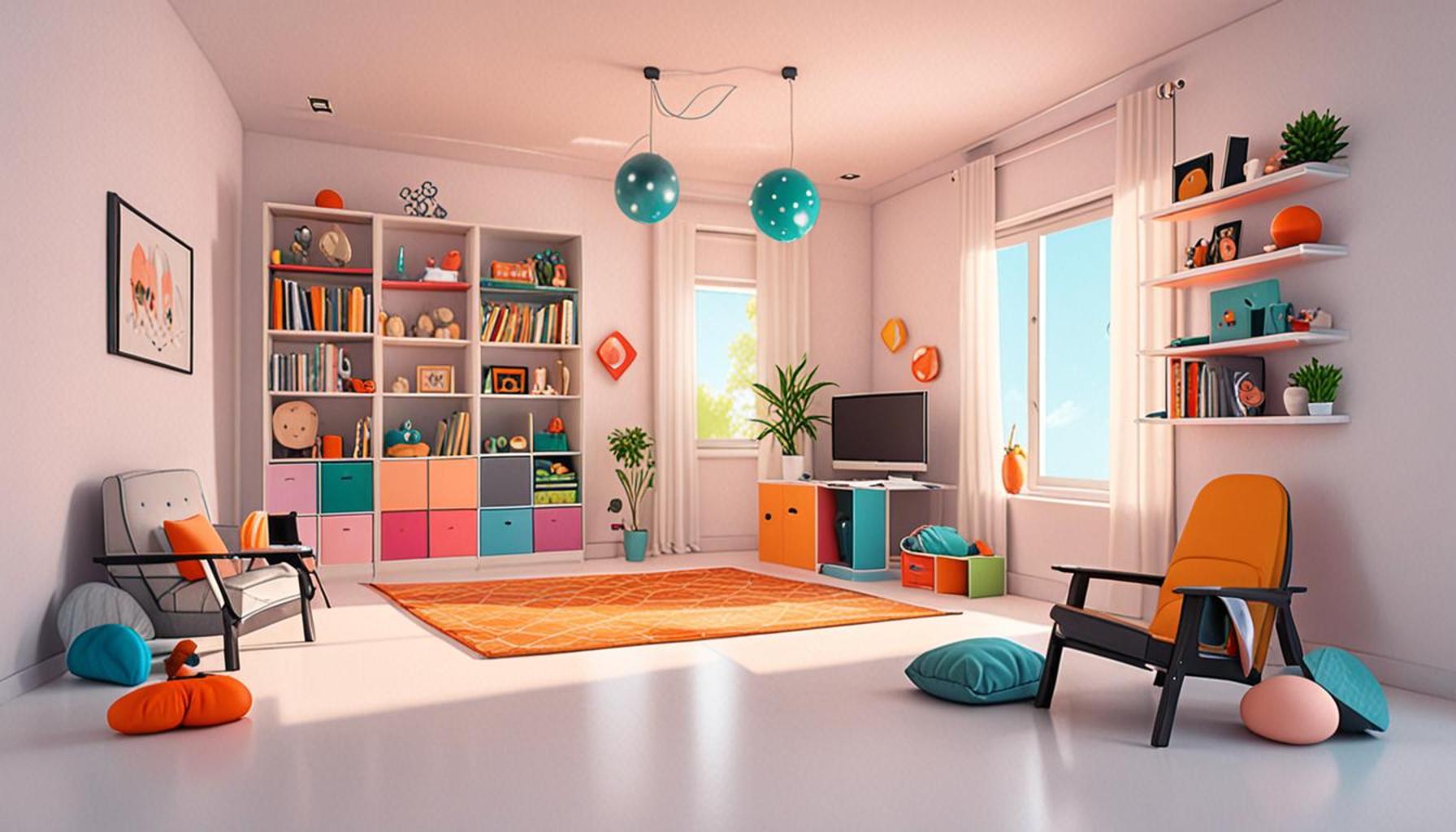
- Creating defined storage zones for children’s toys: Instead of allowing toys to take over every room, designate specific areas for play. Use attractive storage solutions, like colorful bins or baskets, to encourage children to return toys to their rightful places after use.
- Incorporating functional furniture: Furniture that serves dual purposes, such as a coffee table with built-in storage or a sofa bed, can maximize space while minimizing clutter. This concept not only enhances practicality but also contributes to a visually appealing layout.
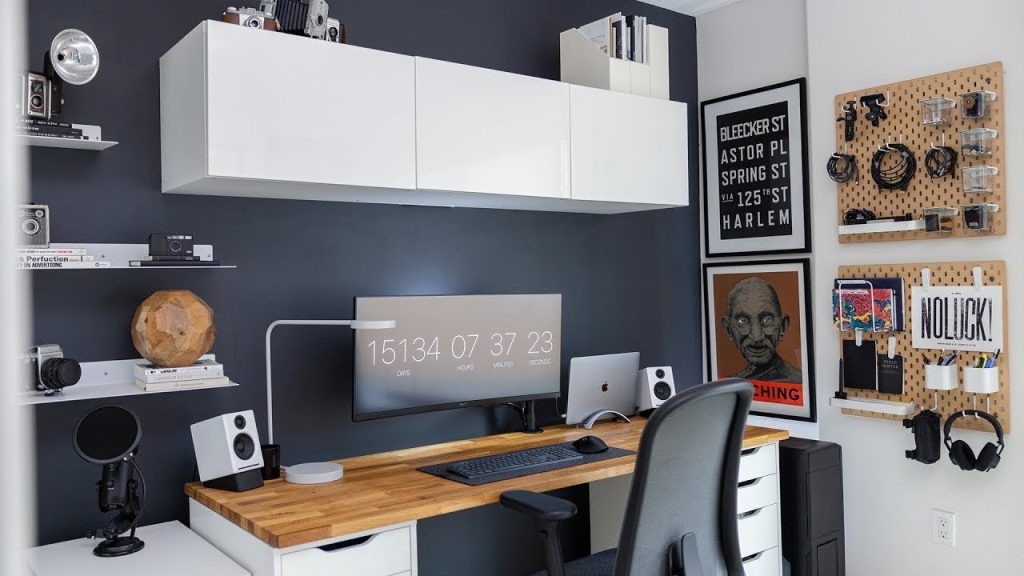
- Utilizing vertical space effectively: In many homes, wall space is underutilized. Installing shelves or cabinets can help keep items off the floor and reduce visual clutter. Displaying books or decorative items on these shelves can further enhance the room’s aesthetics while maintaining organization.
These small adjustments can lead to a more serene lifestyle. As families embark on their journey to dismantle the space around them, they will discover that the benefits stretch far beyond tidy surfaces. Embracing minimalism can also lead to enhanced family relationships, as a shared commitment to organization instills a sense of cooperation and responsibility among family members. Over time, families may find themselves more connected and harmonious, navigating the busyness of life with greater ease and joy.
DISCOVER MORE: Click here to dive deeper
Streamlining Your Living Areas
Adopting minimalist organization techniques is not merely a trend; it is a transformative lifestyle choice that can vastly improve family environments. When families take the step to remove excess clutter, they are not just cleaning— they are making a thoughtful decision about how their home serves them. This shift in perspective can lead to a more intentional use of space that caters to both the needs and preferences of every family member.
Assessing Your Space: The First Step
The journey towards dismantling the space begins with a thorough assessment of your living areas. This step is crucial for identifying areas that tend to accumulate clutter. Start by examining each room, including common areas such as living rooms and kitchens, as well as personal spaces like bedrooms. Ask yourself questions like:
- What items are essential for our daily routines?
- Which belongings have been untouched for months?
- Are there any duplicates of items we can let go of?
By answering these questions, families can create an actionable plan for minimizing unnecessary items and optimizing their surroundings.
Incorporating the “One In, One Out” Rule
One effective technique in the minimalist toolkit is the “One In, One Out” rule. For every new item brought into the home—be it a toy for the children, a new kitchen gadget, or clothing—commit to removing one item from the household. This practice not only curbs unnecessary accumulation but also encourages a mindful approach to consumption. Families often find that they appreciate their belongings more when they are selective about what stays and what goes.
The Power of Functional Spaces
Creating functional spaces is essential in minimalist organization. Instead of traditional setups, consider multifunctional areas that can adapt to various needs. For example, turning a corner of the living room into a small reading nook can help establish a designated relaxing area without requiring additional furniture. Ensuring that each space within the home serves a specific purpose aids in maintaining organization and reducing visual clutter.
Mindful Shopping as a Family
Engaging children in the decluttering process can instill lifelong skills and values. When families go shopping, involve kids in a discussion about why certain items are needed and the impact of keeping clutter to a minimum. By fostering an understanding of mindful consumption early on, children will grow into adults who value organization and simplicity.
Embracing these minimalist organization techniques can fundamentally reshape family environments, transforming them from chaotic spaces into serene sanctuaries. The art of dismantling the space is not only about reducing the physical items but also about building a harmonious home where each family member feels valued and comfortable.
Dismantling the Space: Unpacking Minimalist Organization Techniques for Families
The concept of minimalism extends beyond aesthetics; it offers practical solutions for families overwhelmed by clutter. Utilizing minimalist organization techniques can transform chaotic spaces into harmonious environments. One significant technique is the decluttering process, which involves a systematic approach to reducing excess items in your home. Engaging the entire family in this process fosters a sense of ownership and shared responsibility. Create criteria together for what stays and what goes, focusing on the importance of functionality and emotional attachment. For instance, consider the “one in, one out” principle, which can help maintain balance and prevent future clutter. This technique encourages thoughtful reconsideration of purchases, guiding families to prioritize essentials that contribute positively to their lives.Another effective minimalist approach is the use of multifunctional furniture. Choosing furniture that serves dual purposes, such as a storage ottoman or a foldable dining table, maximizes space and enhances usability. This is especially beneficial in smaller family environments, where every inch counts. Finally, implementing a zone system allows you to designate specific areas of your home for different activities. This method not only organizes physical space but also organizes mental space, as family members will know exactly where to find items related to their activities. By creating areas for homework, play, and relaxation, chaos can be minimized and productivity optimized. Incorporating these minimalist organization techniques can lead to a more serene family environment, lovingly curated to support the everyday lives of those living within it. Embrace the transformation and witness how dismantling the unnecessary unleashes true potential in your family’s living space. It is an ongoing process, one that fosters habits and helps families create a peaceful haven amidst the storms of daily life.
DIVE DEEPER: Click here for strategies to simplify your life
Creating Sustainable Habits for Lasting Organization
Minimalist organization isn’t merely about tidying up; it’s about cultivating sustainable habits that support ongoing organization and a clutter-free lifestyle. For families, this transition can be particularly challenging but immensely worthwhile as it fosters a sense of joy and peace within the home. Engaging in consistent organizational practices helps to maximize space—both physical and mental—allowing families to focus on what truly matters.
The Importance of Regular Decluttering Sessions
Scheduling regular decluttering sessions can play a pivotal role in maintaining an organized environment. Instead of allowing clutter to grow unchecked, families should designate time, whether it be monthly or seasonally, to reevaluate their belongings. During these sessions, use the four-box method: label four boxes as “Keep,” “Donate,” “Trash,” and “Sell.” This systematic approach provides clear criteria for decision-making, and families can involve every member—advocating for ownership in the organizational process.
Emphasizing Visibility and Accessibility
In a family setting, ensuring that items are both visible and accessible can make a significant difference in how efficiently spaces are managed. Use clear bins for storage to allow everyone, including children, to easily identify contents. For instance, consider utilizing low shelving for frequently used children’s items, like toys or books, fostering their independence and responsibility. Furthermore, establish a communal area for important documents and reminders, like a family calendar, to help everyone stay informed and engaged without the chaos of scattered paperwork.
Implementing Routines that Encourage Clutter-Free Living
Building routines that pique both adults’ and children’s interest is essential to ensuring a minimalist lifestyle becomes second nature. Create “ten-minute tidy-ups” where everyone in the family participates in cleaning up, making it a fun activity rather than a chore. Additionally, incorporate after-meal rituals where family members clean up together, reinforcing teamwork while minimizing messes. These engaging practices promote cleanliness and contribute to an overall sense of responsibility and pride in their collective living space.
Leveraging Technology for Organization
In today’s digital age, technology can serve as a powerful ally in the quest for minimalist organization. Numerous apps on the market can help families manage their belongings, track inventory, and remind them of items that need to be discarded or donated. For example, the app “Sortly” can assist in cataloging items in the house, while “Todoist” can help manage household chores and decluttering schedules. Integrating technology not only streamlines the planning process but also brings a modern approach to maintaining order.
As families explore these techniques and embrace a minimalist lifestyle, they take meaningful steps towards constructing a serene environment. By implementing routines, leveraging technology, and keeping the organization dynamic, these sustainable habits enrich not only homes but the family bonds that thrive within them. It is through these small yet impactful changes that families will truly transform their living spaces into organized sanctuaries.
DISCOVER MORE: Click here to unlock creative storage solutions
Conclusion: Transforming Family Spaces Through Minimalist Organization
The journey towards dismantling the space through minimalist organization techniques offers families not just a method of decluttering but a profound opportunity to reshape their living environments. As we delve into these practices, it becomes evident that creating an organized atmosphere facilitates not only physical space but also a mental sanctuary that fosters deeper family connections. By embracing consistent decluttering sessions, prioritizing visibility and accessibility, and implementing engaging routines, families can significantly enhance their daily lives.
Furthermore, leveraging technology, from inventory management apps to household chore organizers, introduces a modern twist to age-old practices, making the process more engaging and efficient. The significance of these techniques goes beyond aesthetics; they build a strong foundation for sustainable living habits and collaborative efforts among family members. This collective involvement not only empowers every individual within the family but also nurtures a shared responsibility for maintaining order.
As this exploration illustrates, pursuing a minimalist approach does not mean sacrificing personal touches or cherished items; rather, it encourages a conscious curation of belongings that retain meaning and utility. In a world where the clutter can often feel overwhelming, these strategies present a pathway towards not just a cleaner home but also a more harmonious family dynamic. As families embark on this transformative journey, the benefits will resonate through their daily lives, leading them to discover the true essence of what makes a house a home.