Cultural Tours in Nigeria Explore History Traditions in Every State
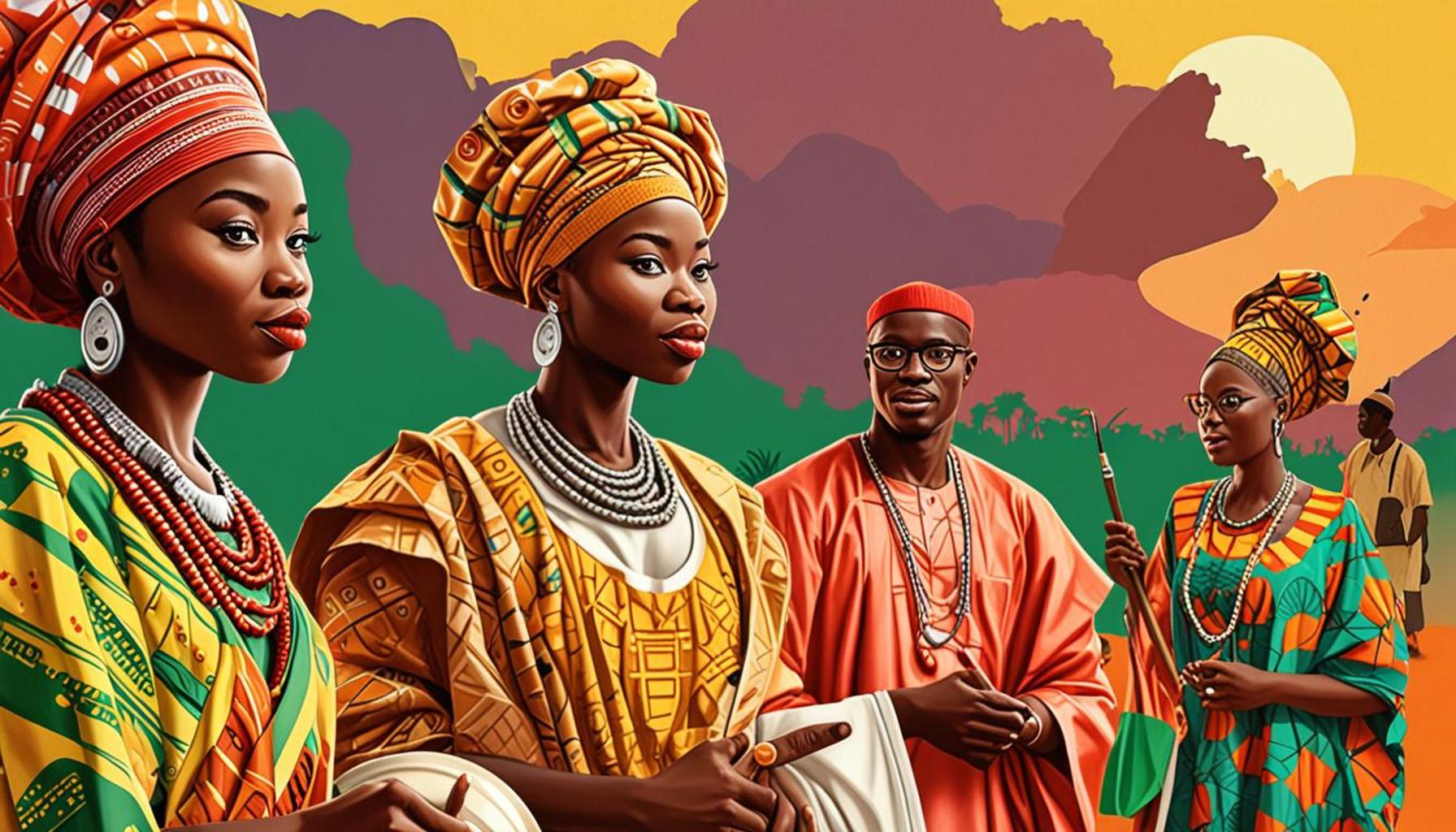
Nigeria, often regarded as the ‘Giant of Africa’, is a vibrant tapestry of cultures and histories, inviting both locals and visitors to delve deep into its diverse heritage. Comprising 36 states and the Federal Capital Territory, Nigeria is a land where history and modernity intertwine harmoniously. From the arid landscapes of the north to the coastal sands of the south, each state boasts unique traditions, fascinating stories, and historical sites that provide a wondrous glimpse into the country’s rich past.
Discovering Cultural Riches
As Nigeria’s tourism sector evolves, cultural tours have become an essential part of travel itineraries, showcasing the very essence of Nigerian identity. These tours offer a firsthand experience of traditional lifestyles, amidst the backdrop of stunning landscapes and vibrant communities. Travelers eager to explore can expect to be immersed in a plethora of cultural activities.
Traditional Festivals
Imagine attending a traditional festival that celebrates local customs with grand ceremonies. These festivals, such as the Durbar festival in the north, brim with energy and are rich in pageantry. They provide a rare opportunity to witness traditional attires, mesmerizing dances, and rituals that have been passed down through generations.
Exploration of Museums
Across the nation, there are museums that house ancient artifacts from various eras of Nigerian history. Notable among these is the National Museum in Lagos, which showcases artworks from the Nok, Ife, and Benin cultures, offering insights into Nigeria’s expansive timelines. Such venues are treasure troves for history enthusiasts looking to peel back the layers of time.
Engagement with Local Communities
Engaging with local communities offers an authentic experience of vibrant art scenes. In regions like Abeokuta, renowned for its Adire (tie and dye) textile artistry, visitors can engage with artisans, try their hand at crafting, and purchase unique souvenirs. This personal interaction enhances understanding and appreciation of local crafts and way of life.

Top 5 Cultural Itineraries
To assist you in your journey, we will highlight the Top 5 cultural itineraries across Nigeria’s states. Each destination represents a vital piece of the larger Nigerian mosaic and promises unique insights into its storied past and vibrant present. Embarking on these journeys not only enriches the travel experience but also offers deeper connections to the heart of Nigeria
Top 5 Cultural Itineraries in Nigeria: Discover History and Traditions in Every State
Nigeria, often referred to as the “Giant of Africa,” is a culturally rich nation with a history that spans centuries. This West African country, known for its vibrant biodiversity and vivid landscapes, also showcases a tapestry of cultures. From the ancient traditions of the Hausa and Fulani in the north to the dynamic Yoruba customs in the southwest, and the rich Igbo heritage in the east, each of Nigeria’s 36 states offers a unique glimpse into the diverse traditions, languages, and customs that shape the Nigerian identity. For those seeking to explore the cultural fabric of this lively country, we present the top five cultural itineraries that will take you on a profound journey through Nigeria’s past and present.
5. Ogun State – The Land of Creative Arts
Ogun State holds a prestigious reputation for its artistic culture, largely gleaned from the profound influence of the Yoruba people’s rich cultural heritage. The Olumo Rock offers more than just picturesque views; it is also steeped in stories of resistance and sanctuary during intertribal wars. Climbing this ancient rock, visitors can explore natural caves that once served as a refuge for the Egba people. The surrounding environment sings of the traditional and modern, united in perfect harmony.
No visit to Ogun is complete without a stop at the Abeokuta Cultural Centre, where traditional music and dance performances highlight the dynamic customs of the Yoruba. Here, storytelling through dance is not just entertainment but a powerful tool for cultural education.
In addition, visitors are encouraged to embark on a journey to the Adefunmilayo Cultural Museum. Named after the revered women’s rights activist Funmilayo Ransome-Kuti, this museum delves into Nigeria’s political and social history, showcasing a collection of artifacts that speak to the resilience and ingenuity of the country’s people.
- Explore the famous Adefunmilayo’s Cultural Museum, illuminating Nigeria’s artistic journey.
- Attend the annual Ogun Festival, where traditional rites and rituals are beautifully enacted.
- Sample local cuisines at traditional restaurants, with celebrated dishes like jollof rice and the uniquely textured pounded yam.
Ogun State serves as a doorway to Nigeria’s artistic legacy, offering an authentic encounter with the Yoruba people.
4. Benue State – Food and Festivals
Known as the “Food Basket of the Nation,” Benue State prides itself on its lush, fertile lands that produce bountiful harvests. Its culinary diversity is celebrated during its various cultural festivals. The Kwagh Hir Festival is a significant cultural highlight, featuring performances that combine folklore, drama, and music. This festival reflects the rich narratives of the Tiv people, offering spectators an immersive experience into the region’s cultural tapestry.
Benue is also home to the Agatu Artist Village, a creative hub where local artisans express their history and traditions through intricate crafts. Visiting the village offers a hands-on learning experience about local art forms and their significance in the community’s daily life.
- Delight in traditional dishes such as Iwuk edough, a culinary staple of Tiv culture.
- Visit the Agatu Artist Village, where local craftsmanship is cherished and celebrated.
- Immerse in the vibrant Benue Carnival, where traditional dioramas and cultural displays captivate audiences.
The harmonious blend of taste and tradition makes Benue State a gastronomic paradise with a rich cultural backdrop, perfect for those eager to explore Nigeria’s diverse culinary heritage.
3. Enugu State – The Coal City
Enugu, often hailed as the “Coal City,” holds a pivotal position in Nigeria’s history due to its rich coal mining heritage. This historical backdrop is intertwined with the city’s role during the Nigerian Civil War when Enugu served as the capital of the Republic of Biafra. This history is preserved in various sites across the city, offering narratives of resilience and transformation.
The Ogbete Market, one of Nigeria’s largest and oldest markets, offers a bustling gateway to local life where the aromas of spices and sounds of traditional bargaining are ever-present. Meanwhile, the Biafran War Museum holds collections that capture the stories of struggle, hope, and the indomitable spirit of the Nigerian people during this period.
- Explore the historic Ogbete Market to get a taste of local life and commerce.
- Tour the Biafran War Museum, for a reflective insight into Nigeria’s political history.
- Experience the vibrant Enugu Arts Festival, showcasing a plethora of traditional and contemporary artistic expressions.
By visiting Enugu, one immerses in a state that is a poignant reminder of Nigeria’s complexities and resilience, providing invaluable insights to history enthusiasts.
2. Lagos State – The Cultural Melting Pot
The pulsating heart of Nigeria, Lagos State is a bustling metropolis that exemplifies the harmonious blend of modernity and tradition. Often considered a cultural melting pot, Lagos’s vibrance is as much a product of its diverse inhabitants as it is of its bustling markets and dynamic nightlife.
The National Museum Lagos houses an extensive collection of artifacts that narrate the stories of Nigeria’s past. From traditional bronze carvings to archaeological treasures, the museum offers a comprehensive guide to the country’s cultural history.
The annual Lagos Carnival is a colorful showcase of the city’s eclectic cultures, drawing thousands each year with its fervent celebration of heritage and community. Furthermore, a visit to Tarkwa Bay Beach promises not just relaxation but also an exploration of the coastal customs that are integral to local life.
- Discover the vast collections at the National Museum Lagos, reflecting the depth of Nigeria’s history.
- Join the festivities of the Lagos Carnival, a vibrant celebration of the city’s cultural diversity.
- Relax at Tarkwa Bay Beach, immersing in the local coastal culture.
The exhilarating pulse of Lagos unveils a city where ancient and contemporary cultures coexist seamlessly, creating an ever-evolving cultural mosaic unique to Nigeria.
1. Kano State – The Heart of Ancient Hausa Culture
Kano State is a historically significant region in the northern part of Nigeria, known for its ancient trade routes and stunning Islamic architecture. The state is steeped in history, with structures such as the Gidan Makama Museum, which offers glimpses into Kano’s regal past and the rich tapestry of the Hausa and Fulani heritage.
The renowned Kano Emirate, a symbol of traditional authority, draws thousands with its grandeur and historical significance. The Sallah Festival, celebrated here with great pomp and ceremony, features traditional horse riding parades and cultural displays, making it a vibrant spectacle.
- Visit the grand Kano Emirate to witness the fusion of history and architecture.
- Experience the Sallah Festival, where tradition and celebration meet in a dazzling display.
- Explore the Gidan Makama Museum, to delve into the region’s illustrious history.
Kano State stands as a testimony to the enduring legacy of Hausa culture, offering a captivating journey into Nigeria’s past and its ongoing traditions.
| Cultural Heritage | Historical Significance |
|---|---|
| Art and Craftsmanship | Nigerian art and craftsmanship are renowned for their intricate designs and vibrant colors, often reflecting the rich traditions of various ethnic groups. |
| Festivals and Celebrations | Each state in Nigeria hosts unique festivals that celebrate its cultural heritage, such as the Osun-Osogbo Festival in Osun State, highlighting the connection between people and their deities. |
| Culinary Diversity | The culinary traditions in Nigeria vary by region, with each state featuring its own specialties that offer a taste of local history and community values. |
| Music and Dance | Nigerian music is a vibrant blend of traditional and contemporary styles, often performed during cultural events, revealing the country’s diversity in rhythms and dances that are vital to various ceremonies. |
| Indigenous Languages | With over 500 languages spoken, linguistic diversity plays a crucial role in preserving cultural identities and expressing the history and philosophies of different ethnic groups. |
The cultural landscape of Nigeria is a profound tapestry woven from the threads of its history, traditions, and innovations. Each state tells a unique story, echoing the contributions of myriad ethnicities, and together, they create an intricate narrative that resonates throughout the nation. By exploring art and craftsmanship, travelers can appreciate how generations have passed down skills, resulting in exquisite works that represent not just aesthetic beauty but also the functional aspects of daily life. For instance, the bronze casting of the Benin Kingdom remains a testament to Nigeria’s historical artistry and technological prowess.Many of these cultural expressions find their most vivid manifestation in the festivals and celebrations that punctuate the Nigerian calendar. Notably, the Argungu Fishing Festival in Kebbi State not only draws visitors from within Nigeria but also from across the globe, symbolizing unity and community involvement in traditional practices.Culinary traditions form yet another essential facet of Nigeria’s rich culture. Each region, from the spicy Jollof rice of the West to the savory pepper soup of the South-east, offers a plateful of history on every dining table. These dishes often tell stories of migration, trade, and the blending of customs, inviting the curious diner to embark on a journey of flavor that transcends borders.Moving to the rhythm of music and dance provides insight into communal life, rituals, and social functions prevalent in various states. The ever-popular Afrobeat genre, pioneered by legends like Fela Kuti, showcases a fusion of traditional African rhythms with modern influences, representing both a historical narrative and a contemporary cultural statement.Finally, the multitude of indigenous languages enriches the cultural dialogue, safeguarding the wisdom and heritage of diverse groups, enabling timeless stories and expressions to flourish. Understanding these languages offers a deeper connection to the roots of Nigerian identity and cultural expression, bridging generations across time. Engaging with Nigeria’s rich and multifaceted cultural heritage promises not just discovery but an immersive experience that resonates with history, creativity, and community spirit.
FAQs About Cultural Itineraries in Nigeria
What makes Nigeria a unique destination for cultural exploration?
Nigeria is known for its rich tapestry of cultures, ethnicities, and traditions. With over 250 ethnic groups and distinct languages, each state offers a unique experience. From the ancient Nok civilization in Plateau State to the Yoruba kingdoms in Oyo, every region tells a different story that reflects the vast history and cultural diversity of the nation.
Which cultural events are not to be missed when visiting Nigeria?
Nigeria boasts a calendar filled with vibrant festivals and cultural events. One notable celebration is the Durbar Festival in Kano, showcasing regal parades and traditional horsemanship. In Osun State, the Osun-Osogbo Festival is a UNESCO-recognized event that celebrates Yoruba heritage with rituals and drama performances by the Osun River.
How does the cuisine vary across Nigeria’s different cultural itineraries?
Each Nigerian state offers its own culinary delights, deeply rooted in local traditions. In the southwestern regions, the use of palm oil and spices defines dishes like Jollof rice and pounded yam. In contrast, the northern states may feature meals rich in grains and dairy, such as Tuwo Shinkafa. Exploring these dishes provides a flavorful journey through Nigeria’s diverse cultural landscape.
What are some recommended cultural sites for travelers seeking historical insights?
Historical enthusiasts will find numerous sites of interest throughout Nigeria. The ancient city walls of Kano, the sacred Oshogbo Sacred Grove, and the Slave Route in Badagry provide significant insights into Nigeria’s past. Additionally, the National Museum in Lagos offers a comprehensive collection of artifacts, shedding light on the country’s extensive history and vibrant cultures.
How can travelers ensure they respect the cultural norms and traditions of Nigeria?
Understanding and respecting local customs is vital when visiting Nigeria. Travelers should research and learn about local etiquette, such as appropriate dress codes. Engaging with guides or locals can provide insights and help navigate cultural practices respectfully. By showing awareness and appreciation, visitors enrich their own experience while honoring the diverse traditions they encounter.
Conclusion
Exploring the cultural routes in Nigeria offers an opportunity to delve into a tapestry of history and traditions that shape the diverse states of this vibrant nation. Through this journey, one can witness the profound influences of ancient kingdoms, colonial legacies, and contemporary innovations that blend to form a unique cultural mosaic.
From the captivating Benin Kingdom’s art in Edo State to the revered heritage sites of Yoruba in Osun State, each state unveils its distinctive stories and practices. The festivals, such as the Durbar in the northern regions and the New Yam Festivals in the east, showcase Nigeria’s rich cultural celebrations. These events not only connect tourists with local traditions but also support community livelihood through tourism.
Moreover, the preservation of traditional crafts, such as weaving and pottery, highlights the enduring craftsmanship and creativity innate to Nigerian culture. These cultural itineraries offer tourists an immersive experience, encouraging them to engage deeply with the historical contexts and vibrant lifestyles that characterize each state.
In conclusion, cultural routes across Nigeria are not merely travel itineraries; they are gateways to understanding the country’s soul, fostering appreciation and respect for its diverse peoples and legacies. For those seeking a travel experience that is both enlightening and enriching, exploring Nigeria’s cultural journeys promises a voyage of discovery unparalleled in depth and authenticity. Embracing these trails holds the potential to expand one’s perspective on this complex and dynamic nation, sparking curiosity and encouraging further exploration.