Space Optimization in Minimalist Children’s Rooms: Fostering Creativity and Organization
The Appeal of Minimalist Children’s Rooms
In a modern landscape overshadowed by overstimulation and clutter, minimalist children’s rooms emerge as an appealing refuge that promotes a focused and serene environment. By integrating intentionally curated elements, these spaces not only nurture creativity but also instill a sense of organization, ultimately enabling children to flourish in their surroundings.
One of the principal advantages of adopting a minimalist approach is the creation of clarity and focus. Research has shown that a tidy and well-organized space can significantly affect a child’s mental state. Children surrounded by minimal distractions tend to perform better academically and are able to concentrate on tasks for extended periods. For instance, a simple study nook devoid of clutter allows a child to engage more fully in their homework, leading to improved retention and understanding of subjects.
Moreover, a minimalist design encourages enhanced creativity. When a child’s room contains fewer toys and decorations, it allows them to use their imagination more freely. Instead of being overwhelmed by choices, children can repurpose common items for various forms of play. A simple cardboard box can transform into a spaceship, a castle, or a secret hiding spot, showcasing the power of creative thinking nurtured by a less distracted space.
The importance of efficient organization cannot be overstated. As children learn the value of maintaining their room, they also develop life skills related to organization and responsibility. Simple designs with designated spaces for toys and books help instill these habits early on. For example, using multi-functional furniture, like a bed with drawers underneath or a bench that doubles as a toy chest, not only optimizes limited space but also teaches kids to keep their belongings in order.
Families are increasingly embracing the concept of space optimization, employing techniques to curate an environment that reflects intentional living. Practical strategies include:
- Implementing multi-functional furniture that serves various purposes, such as a table that converts into a craft space.
- Choosing thoughtful storage solutions, such as wall-mounted shelves, which maximize vertical space and create a visually appealing arrangement.
- Minimizing decor and toys, focusing on high-quality items that stimulate creativity without overwhelming the child’s senses.
As such, the minimalist children’s room trend is not merely a passing phase; it signifies a broader cultural shift towards intentional living observed across the United States. This movement inspires parents to rethink their ideals about possessions and the environments in which their children grow. By adopting minimalist principles, families can foster a nurturing atmosphere that significantly contributes to their child’s overall well-being and development. Explore the incredible potential of space optimization and discover how it can uniquely enhance your child’s daily life at home, paving the way for a more organized and imaginative upbringing.
DISCOVER MORE: Click here to enhance your routine
Maximizing Space with Intelligent Design
When it comes to space optimization in minimalist children’s rooms, the goal is not just to maximize every square inch but to create a harmonious setting that encourages both play and learning. As families trend towards smaller living spaces, the need for efficient organization becomes paramount. With thoughtful design, parents can craft an environment that is both functional and inviting, enhancing the quality of life for their children.
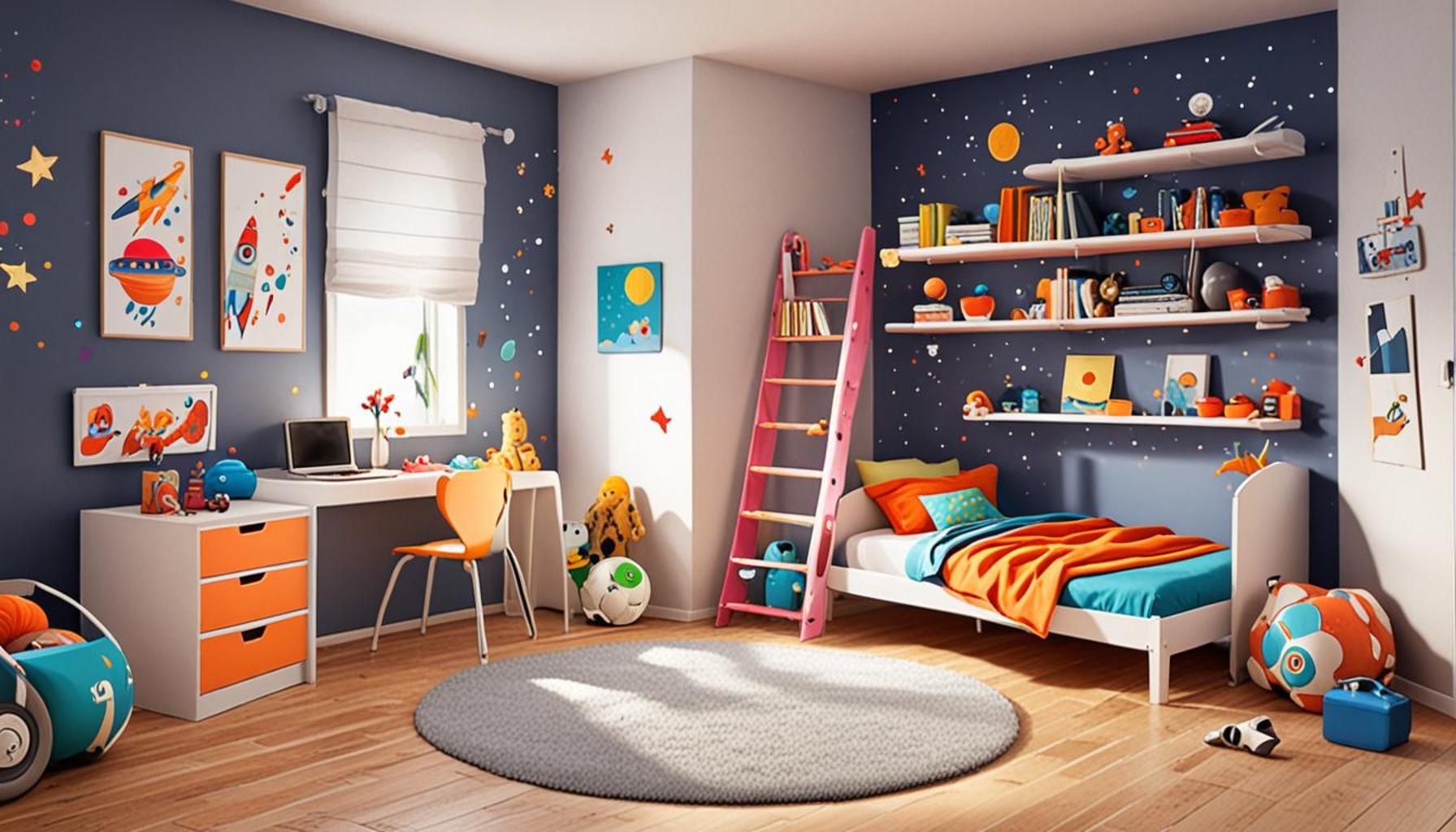
One popular approach to space optimization is the use of multi-functional furniture. For instance, consider a bed that encompasses built-in drawers or a lofted design that frees up floor space for play. These innovative solutions not only provide necessary storage but also open up areas for creative activities. A study table, for example, can double as a craft station, allowing children to transition seamlessly from homework to artistic endeavors. This versatility is essential in maintaining an organized environment while providing children with the tools they need to inspire their imaginations.
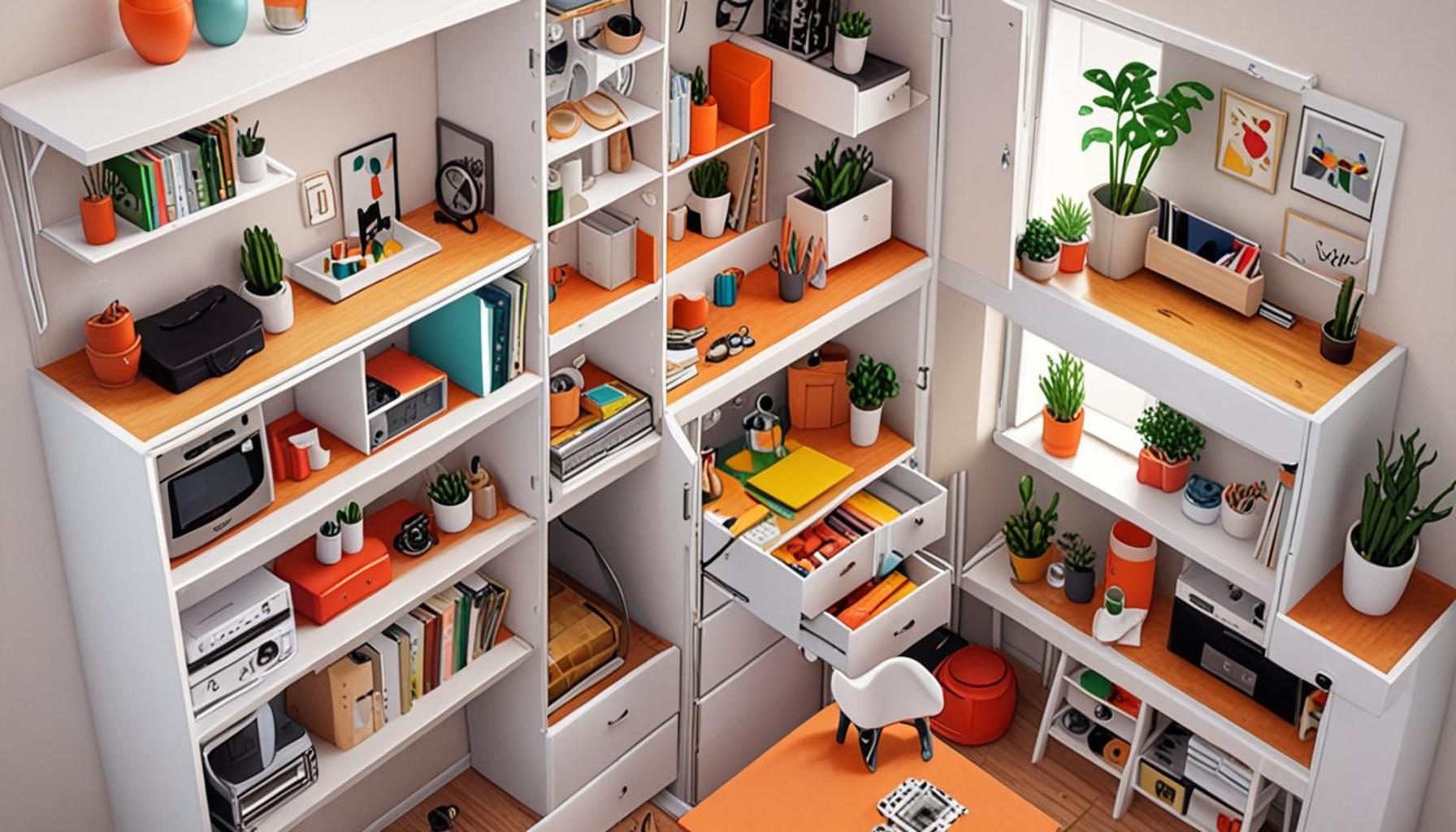
Storage solutions also play a crucial role in minimalist design. With the rise of vertical living spaces, wall-mounted shelves have gained popularity as an efficient way to utilize space. These shelves can hold books, toys, and even decorative items, creating a visually appealing display without consuming precious floor area. By drawing the eye upward, families can transform an otherwise cramped room into a vibrant haven for creativity. Additionally, considering transparent storage bins fosters a sense of ownership and pride, as children can easily identify their belongings and keep them organized.
Another effective strategy involves limiting the number of toys and decorations within the room. Parents are encouraged to select high-quality, versatile items that inspire creativity rather than create chaos. A few well-chosen toys can offer more play opportunities than a plethora of items that could distract children from engaging in meaningful play. In fact, researchers have found that when children are confronted with fewer choices, they are more likely to engage in imaginative scenarios, allowing them to explore and create freely.
To assist parents in this journey of space optimization, here are some practical tips:
- Choose furniture that serves multiple functions: Consider options like a futon that can transform from a sofa to a bed or an ottoman that opens for storage.
- Incorporate modular storage units: These can be reconfigured as children grow, adapting to changing needs over time.
- Adopt a “one in, one out” rule: To prevent clutter from building up, encourage children to let go of a toy whenever they acquire a new one.
In summary, by prioritizing space optimization through intelligent design and thoughtful organization, parents can create minimalist children’s rooms that effectively foster creativity and efficient living. As families navigate the challenges of modern life, embracing these approaches offers an opportunity to cultivate a harmonious and inspiring environment that encourages both exploration and growth.
| Advantages | Description |
|---|---|
| Enhanced Organization | Minimally designed rooms utilize specially designed storage solutions that make it easy for children to maintain a tidy environment, thereby enhancing their organizational skills. |
| Promoted Creativity | A clutter-free space allows children to focus on imaginative play and creativity, providing them the freedom to explore various activities without distractions. |
In minimalistic children’s rooms, space optimization plays a crucial role in fostering an atmosphere ripe for both creativity and organization. With the strategic use of storage solutions like multifunctional furniture, children can easily access their toys, books, and art supplies. This helps to cultivate developed organizational habits early on.Moreover, minimizing the physical clutter in a child’s environment allows for a more peaceful atmosphere. It frees mental space, which is essential for encouraging children to express their creative potential. When the focus shifts toward what’s important—be it learning, play, or even intimate family interactions—the advantages of such an organized setup become remarkably clear. Utilizing the principles of minimalist design not only enhances a child’s room but also lays the foundation for healthy developmental skills, making it a fundamental concept for parents to explore further.
DISCOVER MORE: Click here to learn about the power of mindfulness
Incorporating Creative Zones for Learning and Play
Another innovative component of space optimization in minimalist children’s rooms is the introduction of designated creative zones. These areas not only enhance organization but also foster a sense of purpose and independence in children. By defining specific zones for activities such as reading, crafting, and imaginative play, children learn to associate each area with particular experiences, encouraging them to engage more deeply in their pursuits.
To establish these creative zones, parents can use rugs or room dividers to delineate spaces without taking up unnecessary room. A small, colorful rug can signify the reading nook, while a different texture or color can mark the creative corner. This effortless segmentation provides children cues on where to perform different activities, keeping the overall layout clean and organized. Such visual guidance can help cultivate not just creativity but also focus, as children will learn to concentrate on tasks allocated to each designated area.
Furthermore, incorporating movable and adjustable furniture can significantly contribute to a child’s ability to switch between tasks smoothly. For example, lightweight stools or foldable tables enable children to expand or minimize their activity area as needed. This flexibility is crucial in a minimalist setting, allowing children to customize their environments based on their current interests, which can change from day to day or even hour to hour. They actively participate in the organization of their space, promoting a sense of ownership that is essential for emotional development and personal responsibility.
Utilizing Minimalist Color Palettes
Color selection is another vital aspect of fostering creativity and organization in minimalist children’s rooms. By opting for a minimalist color palette, parents can create a calming space that enhances focus and creativity. Soft pastels or monochromatic schemes not only provide a visually appealing backdrop but also minimize distractions that can arise from overly bright or contrasting colors.
To add a playful touch to these palettes, consider integrating subtle accents that reflect the child’s personality—think whimsical wall decals or art pieces that can be easily removed and replaced as the child’s tastes evolve. This retains a clean aesthetic while offering opportunities for personalization. Children often take pride in showcasing their interests, whether it’s dinosaurs or space exploration, and having a space that reflects those interests can immensely enhance their connection to their room.
Implementing Vertical Solutions for Growth
As children grow, their needs and interests change rapidly. This is where vertical solutions become indispensable in achieving space optimization. High shelving units, pegboards, and wall-mounted racks can easily accommodate a variety of belongings without encroaching on valuable floor space. These solutions encourage children to showcase their artwork or achievements, providing personal motivation while also promoting an organized structure for belongings.
In addition to offering visual interest, vertical systems foster independence by making items accessible yet orderly. By teaching children how to utilize these spaces wisely, parents not only help them develop their organizational skills but also empower them to take ownership of their environments. A collaborative approach—where children are involved in designing their spaces—can lead to a more meaningful connection with their room, ultimately nurturing their creativity and organizational abilities.
Incorporating these thoughtful strategies can transform minimalist children’s rooms into vibrant spaces that not only optimize space but also promote imaginative growth and organization, striking a balance between utility and creativity. As parents navigate the challenges of limited living spaces, embracing these innovative approaches can lead to a harmonious living arrangement that supports children’s evolving needs.
DIVE DEEPER: Click here to learn about the power of mindfulness
Conclusion
In conclusion, space optimization in minimalist children’s rooms is not merely about creating a visually appealing environment; it is an essential practice that encourages both creativity and organization. By thoughtfully integrating creative zones for different activities, parents can provide their children with spaces that inspire focused engagement, while simultaneously teaching them valuable life skills such as responsibility and organization.
Utilizing a cohesive minimalist color palette helps in maintaining a serene atmosphere that nurtures creativity, allowing children to fully express themselves without the distraction of chaotic visuals. Bold accents offer opportunities for personalization, ensuring the space reflects their evolving interests, from playful themes to academic pursuits. As children grow, implementing vertical solutions becomes crucial, enabling them to efficiently manage their belongings while promoting independence.
Through a combination of intentional design and functional elements, parents can craft a room that adapts to their child’s developmental stages. Not only does this foster a sense of ownership over their space, but it also cultivates an enduring relationship with organization that can carry into adulthood. As modern living spaces become more confined, embracing innovative strategies for space optimization can transform children’s rooms into nurturing environments that support creativity and emotional growth. With these principles, families are empowered to create dynamic spaces that not only meet practical needs but also inspire the imaginations of their little ones, paving the way for a brighter, more creative future.