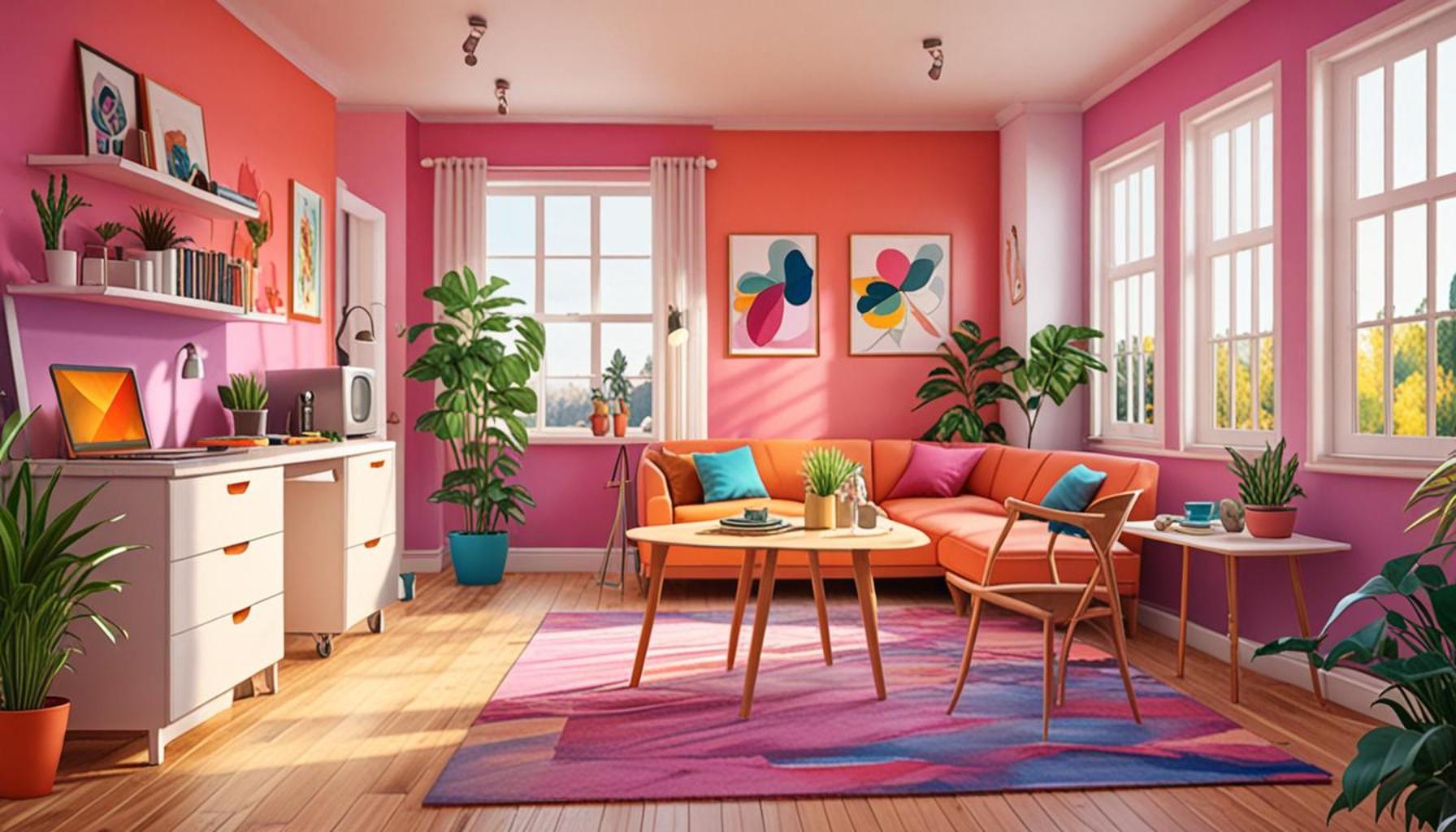
Creating a Zen Space: Practical Tips for Organizing Your Home with Minimalism
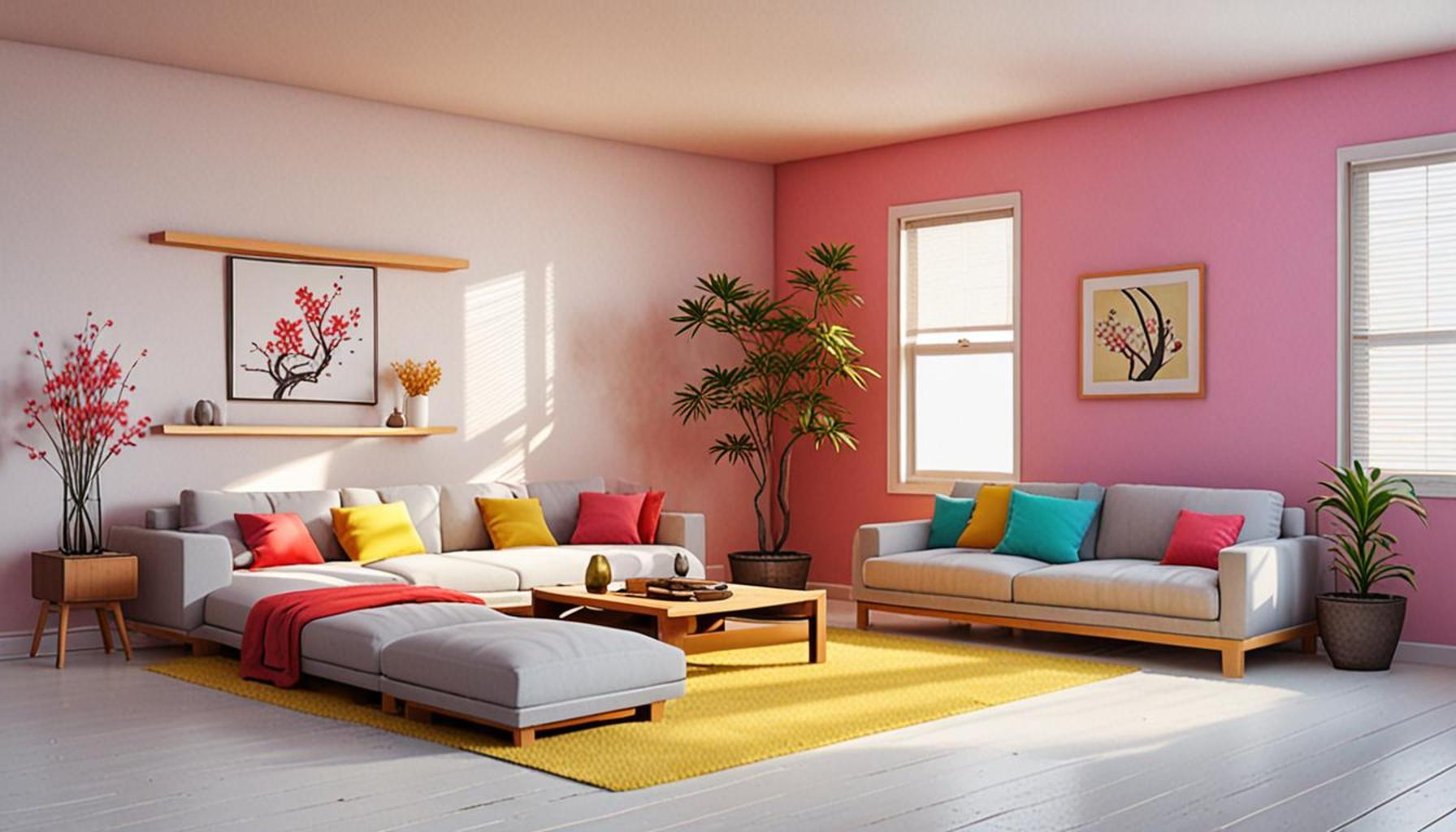
Creating a Peaceful Sanctuary
Imagine walking into a space that instantly calms your mind and soothes your senses. This is the essence of creating a zen space through minimalism. By embracing a clutter-free lifestyle, you can transform your home into a sanctuary of tranquility, where every corner resonates with peace and simplicity.
Minimalism isn’t just a trend; it’s a way of life that promotes clarity, focus, and relaxation. It encourages individuals to assess their belongings and retain only what is truly meaningful. As a result, our environments reflect our priorities, allowing us to focus on what really matters. Incorporating the key features of minimalism into your living space can significantly enhance your overall well-being.
- Decluttering: Start by removing items that no longer serve a purpose or that you do not love. This can be as simple as tidying a single drawer or as extensive as a full room makeover. Consider adopting the “one in, one out” rule that can keep your collection in check. The psychological benefits of decluttering are well-documented, as fewer distractions can lead to increased productivity and reduced stress.
- Natural elements: Incorporating plants and ensuring ample natural light can create a refreshing atmosphere. Studies show that indoor plants can improve mood and enhance air quality, providing a sense of being closer to nature. Consider easy-to-care-for options like snake plants or pothos, which thrive indoors and require minimal attention. Additionally, maximize natural light by using sheer curtains or strategic mirrors to reflect light, creating the illusion of a larger, more open space.
- Serene colors: Utilizing calming color palettes like soft whites, blues, and greens can have a profound effect on your emotions. Paint walls in soft hues or choose minimalist artwork that embraces these colors. Research indicates that colors can influence our feelings; hence, cool tones can lead to a more relaxed ambiance, while bright colors can be energizing.
By organizing your home with these principles in mind, you can create a space that promotes mindfulness and well-being. However, the journey towards minimalism does not just involve physical changes; it also requires a mental shift. Embrace the idea that less is more, and allow yourself to enjoy the simplicity of your surroundings.
In this article, we will explore practical tips for turning your home into a zen retreat, helping you to foster a peaceful inner self. From repurposing furniture to embracing multifunctional pieces that reduce clutter, small changes can lead to significant transformations.
Get ready to discover how simple alterations can lead to a more organized and harmonious living space. Dive into the world of minimalism and unlock the secrets of maintaining a zen atmosphere at home. Each step you take towards minimalism not only enhances your space but also contributes to a more serene and fulfilling lifestyle.
DISCOVER MORE: Click here to learn about decluttering for sustainability
Embracing the Minimalist Philosophy
To truly cultivate a zen space, one must first delve into the philosophy of minimalism. Minimalism is more than simply decluttering; it is a mindset that fosters intentionality and presence in our lives. By understanding the underpinning principles of minimalism, you can better appreciate and implement the practices that lead to a serene and harmonious home environment.
Intentional Space Usage: Every item in your home should serve a purpose or bring you joy. Begin by examining your current possessions. Ask yourself: Does this item enhance my life? If the answer is no, it may be time to let it go. This includes not only physical objects but concepts like decorative items or even furniture that take up space without fulfilling a function. By removing non-essential items, you can create a sense of openness and peace.
Practical Steps to Begin Your Minimalist Journey
As you embark on your minimalism journey, consider these practical steps that can ease the transition into a more organized and tranquil living space:
- Start Small: Tackle one room or area at a time to avoid feeling overwhelmed. Begin with a single drawer, a closet, or even a corner of your living room. Completing these small tasks can motivate you to continue.
- Sort and Categorize: Use a systematic approach to decluttering by sorting items into categories: keep, donate, recycle, or discard. This can help clarify your decisions and reveal patterns in your belongings.
- Maximize Functionality: Choose items in your home that serve multiple purposes. For example, opt for an ottoman that provides storage or a coffee table that can double as a workspace. This not only saves space but also minimizes the number of items you own.
- Establish a Routine: Incorporating minimalism into your everyday life requires ongoing commitment. Schedule regular decluttering sessions, and list out items that need to be organized. This practice will help maintain your zen space long-term.
By focusing on these foundational steps, you are laying the groundwork for a minimalist lifestyle that will greatly benefit your overall well-being. A decluttered space naturally leads to a decluttered mind, allowing for clearer thinking and improved emotional health.
As you deepen your understanding of minimalism, realize that it extends beyond the physical realm. Cultivating mindfulness in your choices—whether it’s in the items you bring into your home or the way you organize your life—can lead to a profound sense of fulfillment. With this perspective, you can begin to navigate the journey of creating a zen space that not only reflects minimalism but also nurtures your spirit and enhances daily living.
Exploring the Benefits of Minimalism in Your Home
Minimalism is not just a design aesthetic; it’s a lifestyle choice that can have profound impacts on your mental well-being and overall peace of mind. When you embrace a minimalist approach, you’re taking steps toward creating a Zen space that fosters relaxation and clarity.One of the primary advantages of minimalism is its ability to reduce clutter and distractions in your living space. In a world where overstimulation is prevalent, creating a serene environment can significantly enhance your mood and mental focus. By carefully curating your possessions, you invite only what you truly love and need into your home, making every item meaningful.Another critical aspect of minimalism is promoting sustainability. By choosing quality over quantity, you not only save money but also contribute to reducing waste. Opting for multifunctional furniture pieces or timeless decor can create a lasting space that doesn’t require frequent replacements, promoting a more responsible approach to consumption.Incorporating natural elements is also a hallmark of minimalist design. Whether it’s through houseplants or natural materials like wood and stone, these elements can create a calming atmosphere that connects you with nature, reinforcing the tranquility of your Zen space.Furthermore, minimalism encourages a more mindful lifestyle. By focusing on essentials, you can better prioritize aspects of your life that bring joy and fulfillment. This shift enables you to cultivate gratitude for what you have, leading to a happier existence.As you explore the possibilities of minimalism, consider how each strategy can tailor your home to better serve your mental and emotional needs, transforming it into the peaceful sanctuary you deserve.
| Category 1 | Category 2 |
|---|---|
| Clutter Reduction | Enhances focus and tranquility |
| Sustainable Choices | Encourages responsible consumption |
Incorporating these elements into your home can not only transform your space aesthetically but also enrich your lifestyle, making you more mindful and present in your daily life. Embracing minimalism opens doors to a world of serenity and purpose, making it an enticing avenue to explore further.
DISCOVER MORE: Click here to unlock valuable insights
Transforming Your Environment: Design and Aesthetics
Once you have embraced the minimalist philosophy and begun your journey towards a decluttered home, the next step involves transforming your environment into a zen space that enhances tranquility and balance. The design and aesthetics of your home play a crucial role in how you feel within your space, impacting your mood and overall well-being.
Neutral Color Palettes: One of the most effective ways to create a calming atmosphere is through color. Opt for soft, neutral tones such as whites, beiges, grays, and gentle pastels that not only open up a space visually but also generate a peaceful ambiance. These colors are known to evoke feelings of serenity and allow your mind to relax. When selecting paint or decor, consider the effects of colors on your emotions, and strive for simplicity in your choices.
Integrating Nature into Your Zen Space
Incorporating natural elements into your home can greatly enhance its tranquility. Nature has a therapeutic effect on the mind, making it an essential aspect of creating your zen space:
- Houseplants: Adding greenery not only beautifies your living space but also purifies the air, fostering a healthier environment. Consider low-maintenance plants like succulents or snake plants if you feel overwhelmed with care requirements. Their presence can contribute to a sense of calm and connection to nature.
- Natural Materials: Use furniture and decor made from natural materials such as wood, bamboo, or stone. These materials often exude a warmth and authenticity that synthetic options cannot replicate. Moreover, they add texture to your space while remaining aesthetically pleasing.
- Natural Light: Maximize natural light in your home by keeping windows unobstructed and using sheer curtains. Sunlight can elevate your mood, improve focus, and promote a feeling of well-being. When possible, consider reflecting light with mirrors to further enhance brightness.
Creating Mindful Spaces: Designate specific areas in your home for mindfulness activities. Whether it’s a cozy reading nook, a meditation corner, or a clean workspace, ensure these areas are free from distractions. Consider incorporating soft cushions, calming artwork, or a dedicated yoga mat to create a space that inspires relaxation and focus.
Functional Decluttering: The Importance of Organization
To maintain a zen environment, organization is paramount. Establish a system that integrates practicality with aesthetics:
- Smart Storage Solutions: Invest in multifunctional furniture that offers hidden storage options. For example, choose ottomans with compartments or beds with built-in drawers. These features can help you keep items organized without sacrificing style.
- Keep Surfaces Clear: Limit the number of items on your surfaces to prevent visual clutter. A clear coffee table or countertop can foster a sense of space and calm. When considering decor, opt for a few meaningful pieces rather than overcrowding.
- Regular Maintenance: Design a habit of maintaining order. Spend a few minutes each day tidying up or implementing the ‘one in, one out’ rule—whenever you acquire something new, let go of something existing. This conscious cycle ensures your zen space remains undisturbed.
By focusing on design and organization through intentional choices, you create a home environment that not only reflects a minimalist lifestyle but also nurtures peace and mindfulness. With these strategies, the goal of creating a zen space becomes more attainable, leading to a home that inspires tranquility and joy.
DISCOVER MORE: Click here to delve deeper
Embracing Tranquility in Your Home
In a world that often feels chaotic and overwhelming, creating a zen space in your home can serve as an oasis of calm that contributes to your overall well-being. By incorporating the principles of minimalism, you not only enhance the aesthetic appeal of your surroundings but also cultivate an environment that fosters mindfulness and peace. From selecting neutral color palettes that evoke serenity to integrating natural elements and maximizing light, each decision can profoundly influence your mood and daily experience.
Moreover, the importance of effective organization cannot be overstated. By employing smart storage solutions and developing a habit of regular maintenance, you can ensure your zen space remains a sanctuary free from the distractions of clutter. Remember, minimalism is not merely about letting go of physical items—it’s about embracing a lifestyle that prioritizes functionality and intentionality. This journey may require time and adjustment, but the benefits of living in a calm, organized space are well worth the effort.
As you embark on your journey to transform your home into a haven of tranquility, keep in mind that every small step contributes to a greater sense of peace. Explore new ideas and strategies that resonate with you, and don’t hesitate to adapt them to best suit your personal style and needs. Ultimately, your zen space should reflect your unique essence, inviting mindfulness, relaxation, and joy into your daily life.