Creating Minimalist Workspaces with Mindful Habits

Understanding the Minimalist Workspace
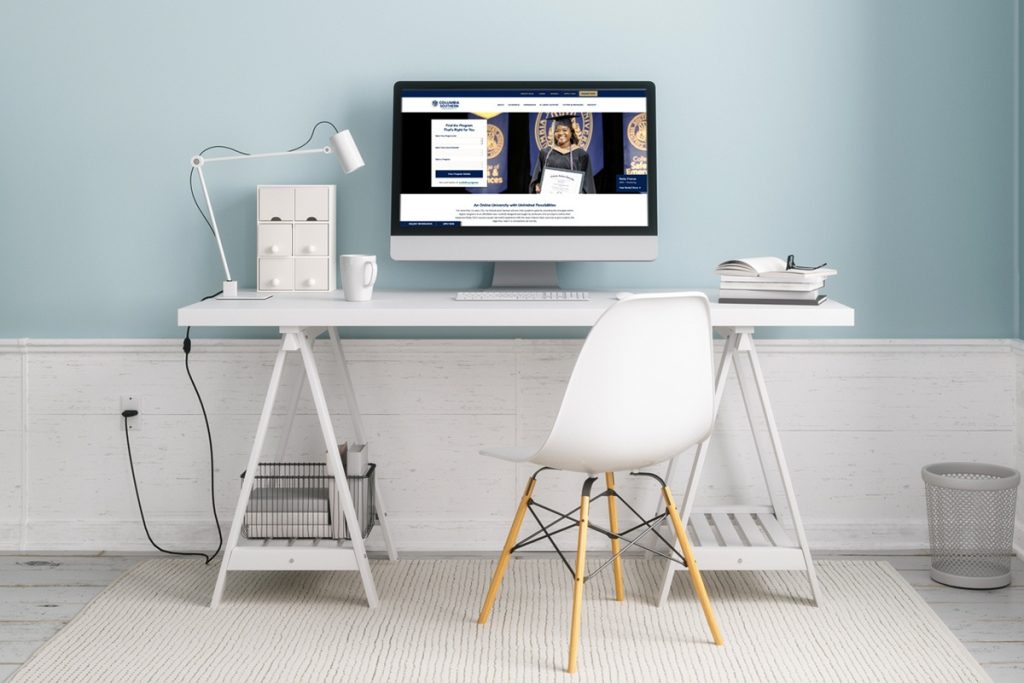
In recent years, the trend of adopting a minimalist workspace has resonated with professionals across various industries. With the increasing demands of modern work, individuals are moving away from cluttered offices teeming with distractions. Instead, they are gravitating towards environments that appreciate clarity and focus, enhancing both creativity and productivity.
A minimalist workspace isn’t merely about reducing visual chaos; it represents a mindset aimed at achieving an efficient and tranquil working experience. A study highlighted by the American Psychological Association suggests that clutter can negatively impact focus and mental well-being, making the case for a simplified workspace compelling.
Key Components of a Minimalist Workspace
Creating an effective minimalist workspace involves several pivotal elements that streamline the work process:
- Decluttering: Begin by removing unnecessary items that do not actively contribute to your goals. This could mean clearing off your desk, organizing files, or even digitizing documents to reduce paper clutter.
- Functionality: Choose furniture and tools that enhance workflow rather than hinder it. This could encompass investing in a high-quality ergonomic chair, a desk organizer, or a calendar management app that helps you prioritize tasks efficiently.
- Mindful habits: Implement daily practices that promote focus and reduce distractions. This can range from maintaining a clean desk to configuring your digital environment (like using noise-cancelling headphones or productivity apps) to minimize interruptions.
Integrating Mindful Practices
However, transforming your workspace is merely the first step towards achieving sustained productivity. To truly cultivate a conducive working atmosphere, mindful habits play a crucial role. Here are several strategies to consider:
- Daily routines: Establish a consistent start and end to your workday. This regularity can greatly enhance your mental readiness, signaling to your brain when it’s time to work and when it’s time to unwind.
- Regular breaks: Incorporate short breaks into your schedule to recharge and refocus. Techniques like the Pomodoro Technique—working for 25 minutes followed by a 5-minute break—can significantly boost productivity.
- Mindfulness practices: Engage in meditation, yoga, or deep breathing exercises before beginning your work tasks. Research indicates that such practices can help reduce anxiety and enhance overall mental clarity, creating a more favorable environment for productivity.
By adopting a minimalist workspace and integrating these mindful habits, individuals can achieve improved mental clarity and heightened productivity levels. As you continue to explore the interplay of simplicity and mindfulness, consider how these principles might transform not only your work life but also your broader lifestyle, leading to a more fulfilling and balanced existence.
DISCOVER MORE: Click here to simplify your life
Essential Steps Towards a Minimalist Workspace
Transitioning to a minimalist workspace requires more than just a simple tidy-up; it necessitates a comprehensive approach that intertwines both the physical environment and your working habits. By focusing on intentionality and function, you can create a setting that not only reflects minimalism but also supports a productive mindset.
1. The Decluttering Process
Decluttering is the cornerstone of any minimalist approach. A successful decluttering process involves a few essential strategies:
- Evaluate Your Essentials: Begin with a critical assessment of your workspace. Identify items that are essential for your day-to-day tasks and separate them from things that serve no purpose. This includes evaluating whether the books on your shelf or the small memorabilia on your desk contribute positively to your work outcomes.
- Organize Digitally: In today’s digital age, reducing paper clutter is crucial. Scan important documents and maintain organized folders on your computer or cloud-based platforms. This ensures that you can access information quickly without the distraction of physical files.
- Visualize Simplicity: The aesthetic of your workspace plays a significant role in how you feel while working. Choose a neutral color palette for your décor and utilize functional yet stylish furniture that promotes a clean look. Consider keeping surfaces mostly bare to enhance visual clarity.
2. Prioritizing Functional Design
The design of your workspace should prioritize functionality tailored to your specific needs. As you select items for your workspace, keep in mind the following:
- Invest in Quality: Rather than opting for multiple cheap desks and chairs, invest in high-quality, ergonomic furniture designed to enhance comfort and support productivity over extended periods. This can make a substantial difference in your ability to stay focused and motivated.
- Smart Technology: Embrace technology that fosters efficiency. Apps for task management like Todoist or Asana can streamline your daily duties, helping you stay organized and reducing the need for physical clutter.
- Adjustable Spaces: Consider a workspace that accommodates flexibility, such as a sit-stand desk. This allows you to change your position and movement habits, which can contribute to overall well-being and reduce the monotony of a fixed workspace.
3. Cultivating Mindful Practices
The concept of mindfulness extends beyond meditation; it embodies awareness and intentionality in every action. To enhance creativity and output while in your minimalist workspace, incorporate the following mindfulness practices:
- Mindful Mornings: Begin your workday with a mindful routine that includes moments of reflection or gratitude, setting a positive tone for the day ahead.
- Focused Work Sessions: Designate specific periods for concentrated work. Techniques like time blocking can minimize distractions, allowing you to immerse yourself fully in each task.
- Connection with Nature: Incorporate elements of nature into your workspace, such as plants or natural light, to create a calming atmosphere that has proven benefits for mental health and focus.
As you commit to establishing a minimalist workspace coupled with mindful habits, you may find that routine distractions diminish, paving the way for enhanced creativity and productivity. Embracing these combined approaches can significantly impact your overall work experience, leading not only to a calmer workspace but also to a more balanced lifestyle.
Benefits of a Minimalist Workspace
Creating a minimalist workspace can significantly enhance productivity and well-being. By streamlining your environment, you not only reduce distractions but also cultivate a sense of peace and clarity in your work life. Below, you will find an informative table showcasing the key advantages of adopting minimalist workspaces alongside mindful habits.
| Category | Details |
|---|---|
| Enhanced Focus | A clutter-free environment promotes clearer thinking and improved concentration on tasks. |
| Stress Reduction | Minimalism helps in lowering anxiety by creating a serene and organized atmosphere, which encourages mindfulness. |
Incorporating mindful habits along with minimalist design can further bolster your ability to focus, allowing you to work more creatively and effectively. The combination invites an environment where ideas can flourish while stress diminishes, making minimalism not just an aesthetic choice but a pathway to a more enriching work experience. Explore these benefits to find out how they can transform your workspace today!
DISCOVER MORE: Click here for tips on maximizing small spaces
Integrating Mindful Habits for Sustained Productivity
Creating a minimalist workspace is only half the battle—sustaining its purpose requires an ongoing commitment to mindful habits. Cultivating these practices will not only enhance your productivity but also foster a greater sense of well-being. Here are some effective strategies that can help you maintain a minimalistic approach while keeping your focus sharp.
4. The Power of Routine
Your daily routine can significantly influence your work efficiency and mental clarity. Consistency in your workflows and habits creates a sense of security and purpose. Here are some ways to harness the power of routine:
- Establish a Morning Ritual: Begin each day with a structured series of activities—such as a brisk walk, yoga, or journaling—to prime your mind for the tasks ahead. Allocating the first hour of your day for planning and creating a to-do list can increase clarity as you navigate your responsibilities.
- Designate Break Windows: Work in focused bursts followed by intentional breaks. Techniques like the Pomodoro Technique, where you work for 25 minutes and then take a 5-minute break, can boost your productivity. During breaks, engage in mindful stretches or simply observe your surroundings to re-center your thoughts.
- Evening Reflection: At the end of each workday, take a few moments to reflect on your completed tasks. Acknowledge your achievements and consider adjustments for the following day. This practice promotes clarity and reinforces a positive mindset heading into the next day.
5. Limiting Digital Distractions
In an increasingly connected world, digital distractions can thwart even the best-organized minimalist workspaces. To enhance focus, consider implementing the following strategies:
- Utilize App Blockers: Leverage productivity applications that temporarily block access to distracting websites or social media platforms during designated work hours. Apps like Freedom or Cold Turkey can help you maintain your focus and adhere to your schedule.
- Email Management: Set specific windows to check and respond to emails instead of keeping your inbox open all day. Use tools like Boomerang or Unsubscribe to manage your emails efficiently, reducing the cognitive load associated with constant checking.
- Streamline Notifications: Limit notifications on both your computer and mobile devices to the most essential communications. This creates a quieter digital environment that facilitates deep work without the constant pull of alerts.
6. Foster Meaningful Connections
In a minimalist workspace, it’s easy to overlook the importance of human interaction. Building relationships and a support network can enhance creativity and motivation:
- Collaborative Projects: Engage in projects with colleagues or peers that encourage the exchange of ideas. Shared goals in minimalist-focused environments can stimulate a sense of community and collective productivity.
- Regular Check-Ins: Schedule brief meetings to touch base with co-workers or mentors. These interactions bolster accountability and provide opportunities to discuss challenges or discoveries within your minimalist framework.
- Networking Opportunities: Attend workshops or meetups in your field that emphasize mindful practices and minimalism. Engaging with like-minded individuals can lead to valuable insights and practical strategies that enhance your work experience.
By integrating mindful habits into your daily practices, you can maintain the tranquility and efficiency of your minimalist workspace. Each component—from nurturing personal routines and limiting digital distractions to fostering meaningful connections—plays a vital role in achieving a productivity-driven atmosphere that complements your minimalist ethos.
DISCOVER MORE: Click here to find out how detaching from possessions can change your life
Conclusion: Embracing Minimalism and Mindfulness for Enhanced Workspaces
In an era where distractions abound and the pace of life accelerates, creating minimalist workspaces with mindful habits emerges as a beacon for productivity and well-being. As this article highlights, the marriage of simplicity in our physical environments and intentionality in our daily routines cultivates a fertile ground for focused work and mental clarity. By meticulously curating a workspace free from clutter and distractions, individuals can foster an atmosphere that promotes creativity and efficiency.
The essence of this journey lies in integrating mindful practices—such as establishing structured routines, limiting digital interruptions, and nurturing meaningful connections. These habits are not simply add-ons; they are essential for sustaining the minimalist ethos in your work environment. They lay the foundation for a disciplined approach to daily tasks while simultaneously enriching the quality of your work-life balance.
Ultimately, embracing minimalism and mindfulness extends beyond just the workspace. It is an invitation to consider what we truly need and value in our daily lives. As you explore these principles, reflect on how they can resonate with your personal and professional goals. The quest for a minimalist workspace is not merely about an aesthetic; it is a transformative process that encourages deeper engagement, enhanced productivity, and a harmonious existence. Take the first step today and unlock the potential that lies within a thoughtfully designed and mindfully managed workspace.