Decluttering and Self-Care: How Reducing Belongings Can Improve Your Mental Health and Well-Being

The Impact of Clutter on Mental Well-Being
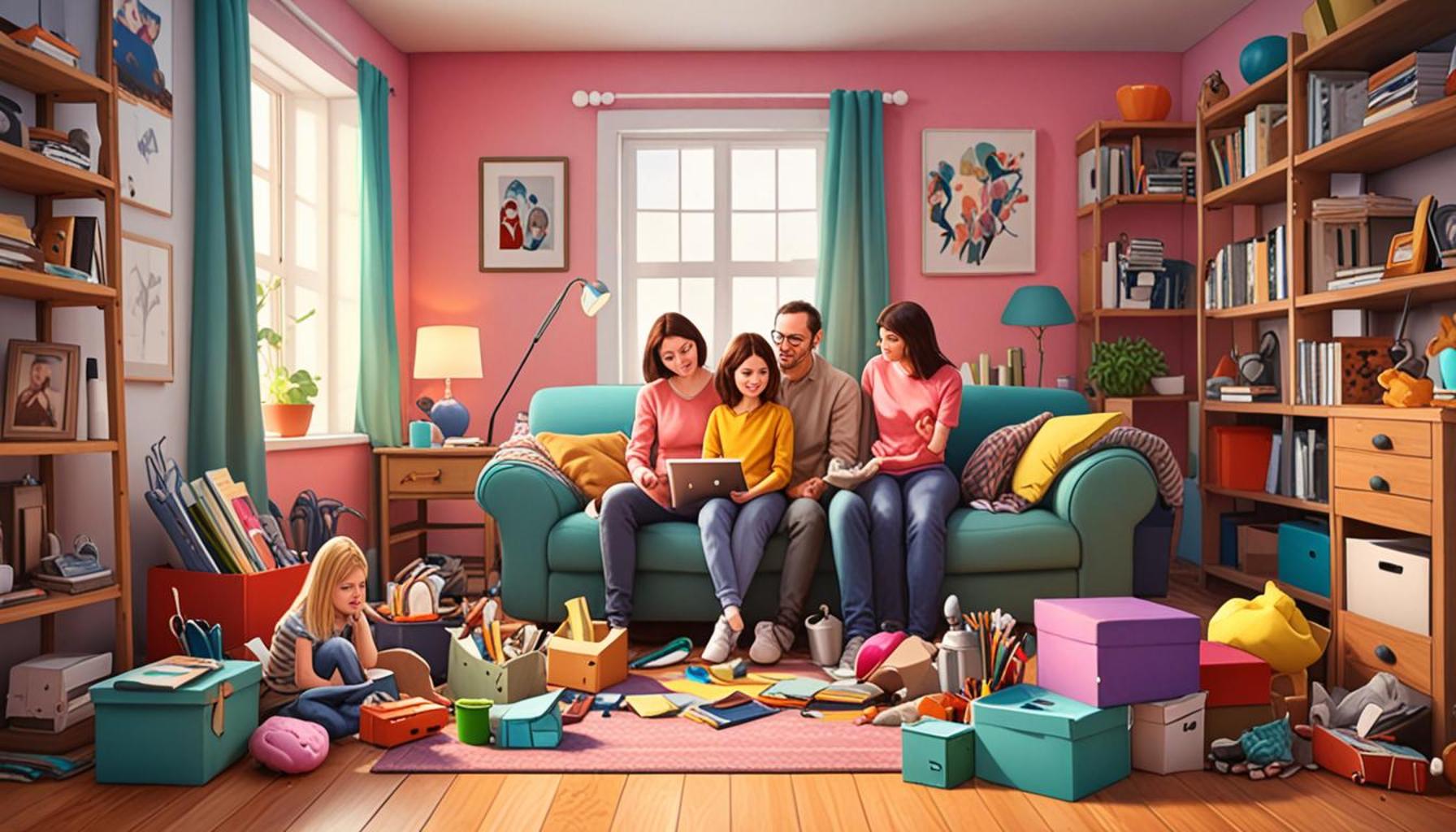
In today’s fast-paced world, it has become increasingly common to feel overwhelmed by clutter, be it in our homes, workplaces, or even minds. Research has shown a clear connection between clutter and mental health, indicating that a chaotic environment can significantly affect our emotional states. By simplifying our surroundings, we can cultivate a sense of peace that enhances our mental well-being.
Here’s how decluttering can positively impact your life:
- Reduces Stress: Living in a cluttered space often evokes feelings of anxiety and disorganization. A study published in the journal Personality and Social Psychology Bulletin found that individuals who described their homes as cluttered reported higher levels of stress. Conversely, a clean, tidily organized environment helps foster tranquility, making it easier to unwind and focus.
- Enhances Focus: It is widely recognized that distractions can impede productivity. When your workspace is loaded with unnecessary items, it can be challenging to concentrate. By removing these distractions, studies have shown that individuals are better equipped to focus on tasks, ultimately leading to enhanced efficiency and accomplishment.
- Improves Mood: The act of decluttering itself can deliver a significant mood boost. Completing the task of sorting through and organizing belongings provides a sense of accomplishment. This feeling of achievement can elevate one’s spirits and make them more inclined to engage in other positive activities.
Moreover, decluttering extends beyond physical space; it is a crucial part of self-care. By letting go of items that no longer serve us, we create space for what truly matters, whether that’s meaningful relationships, personal growth, or simply peace of mind. A cleaner environment can encourage a clearer mindset, allowing for fresh perspectives.
Consider taking a moment to reflect on the following:
- How do the belongings in your space impact your emotional state?
- Could adopting a minimalist approach contribute to a greater sense of clarity and serenity?
- Are there items in your life that you could release to make way for new opportunities and experiences?
Exploring these questions can lead you toward a more intentional way of living. By addressing the roots of clutter in your life, you can unlock the path to improved mental health and well-being. This transformative journey not only empowers you to take control of your surroundings but also fosters a deeper connection with yourself, ultimately leading to a more balanced and fulfilling life.
DIVE DEEPER: Click here to unlock essential time management techniques
Understanding the Connection Between Decluttering and Self-Care
Many people underestimate the profound link between the things we own and our mental well-being. As we amass belongings, they often begin as meaningful additions to our lives, but over time, they can become burdensome. The mere presence of unused items can create an unconscious weight that fosters anxiety and distraction. Recognizing this connection is the first step toward implementing a decluttering regimen that not only enhances physical spaces but also enriches our emotional states.
One of the most compelling aspects of decluttering is how it encourages mindfulness. When engaging in the process of sorting through belongings, individuals become more attuned to their feelings, preferences, and experiences associated with each item. Rather than mindlessly accumulating possessions, this sort of reflective practice allows for a deeper understanding of what is truly valuable. Through mindful decluttering, people can reconnect with their personal identity and values.
Additionally, the psychological phenomenon known as decision fatigue can play a significant role in how clutter affects our mental health. Every item in our homes requires an implicit decision regarding its value and purpose. As clutter accumulates, the number of decisions we must make daily can become overwhelming, leading to increased stress and indecision. Research indicates that simplifying our environment can help reduce this cognitive load, resulting in clearer thinking and improved decision-making capabilities. By streamlining our belongings, we alleviate mental clutter, paving the way for enhanced focus and creativity.
The Psychological Benefits of Letting Go
Letting go of belongings is not just a physical act; it can also deliver profound psychological benefits. Here are a few reasons why engaging in decluttering can serve as a powerful self-care tool:
- Emotional Release: Parting with items that no longer reflect who we are can provide a sense of freedom. Whether it’s clothes that no longer fit or gifts that don’t resonate, shedding these items can feel liberating and reinstate feelings of control.
- Creating a Safer Space: Clutter often inhibits one’s ability to relax. By decluttering, individuals cultivate an environment that promotes safety and tranquility, encouraging positive interactions with loved ones.
- Time for Reflection: Decluttering can lead to introspection, allowing individuals to reassess priorities and preferences. This reflection can often bring clarity about what they truly need in their lives.
As one embarks on the journey of organizing their physical space, they may find themselves nurturing their emotional landscapes simultaneously. This ongoing process is about more than just tidiness—it is an empowering act of self-care that fosters resilience and enhances overall quality of life.
| Advantages | Description |
|---|---|
| Enhanced Focus | By reducing physical clutter, individuals often experience improved concentration and productivity, allowing for greater engagement in daily tasks. |
| Reduced Anxiety | A clutter-free environment leads to fewer stress triggers, promoting a calmer state of mind and aiding in emotional regulation. |
| Boosted Creativity | Removing excess belongings allows the mind to think more freely, fostering innovative ideas and problem-solving abilities. |
| Improved Sleep Quality | A tidy space can lead to better sleeping environments, as an organized bedroom reduces distractions and promotes relaxation before bedtime. |
Decluttering is not merely a process of letting go of objects; it is a profound approach to enhancing well-being and mental health. By systematically reducing belongings, individuals often uncover a sense of freedom that promotes both clarity and calm.Research has shown that environments filled with clutter can act as sources of confusion and chaos, often leading to increased levels of stress and anxiety. The art of decluttering encourages one to take control of their space and, by extension, their mental landscape. Each item removed not only clears physical space but also paves the way for deeper self-reflection and personal development.Moreover, engaging in the decluttering process can become an act of self-care, where individuals find joy in curating their living spaces, ensuring every object serves a purpose or brings happiness. As a result, minimalism emerges not as a trend, but as a sustainable lifestyle choice geared towards holistic well-being. Adopting this approach opens doors to mindfulness, where the relationship with everything around us transforms into a source of therapeutic peace.As you delve deeper into the advantages of decluttering, you’ll find that it’s a journey remarkably tied to broader themes of self-awareness, intentional living, and emotional resilience. Exploring methods that resonate with personal experiences can further amplify these benefits, ensuring a more profound connection to your surroundings and ultimately enhancing your path to self-care.
DIVE DEEPER: Click here to discover effective strategies
The Transformative Power of a Decluttered Environment
The journey of decluttering transcends mere physical organization; it embodies a holistic approach to self-care that enhances mental health. When individuals decide to downsize their belongings, they don’t just create cleaner spaces; they also cultivate a sense of empowerment that can significantly impact their overall well-being. As they make deliberate choices about what to keep and what to let go, they engage in an act of self-definition—a way to sculpt their living environment in alignment with their current identity.
Improving Focus and Productivity
A decluttered environment has been shown to directly contribute to enhanced focus and productivity. Studies have demonstrated that visual distractions can impede concentration, making it challenging to maintain attention on essential tasks. For example, a workspace cluttered with papers, unused equipment, and personal items can divert attention, leading to a decrease in output. By minimizing distractions, individuals can harness their cognitive abilities more effectively, empowering them to tackle projects with renewed vigor.
Furthermore, decluttering creates a clearer mental space. As the environment transforms, individuals often report feeling less overwhelmed, which in turn fosters the capacity for creative thinking and innovative problem-solving. The process of simplifying one’s surroundings acts as a catalyst, liberating mental resources that had previously been occupied by the chaos of clutter.
Burden of Clutter on Emotional Health
Several studies indicate that clutter can contribute to feelings of shame and guilt, particularly when individuals compare their living situations with societal standards or the pristine environments showcased in popular media. These feelings can lead to heightened stress levels and a sense of inadequacy. By addressing clutter, individuals can counteract these negative emotions, paving the way for improved self-acceptance and emotional resilience. The National Institutes of Health highlights that creating orderly spaces can significantly lower stress levels, which can lead to better physical health outcomes.
Social Connections and Decluttering
Another vital yet often overlooked aspect of decluttering is its positive impact on social connections. A clutter-free home can encourage social interactions by making it more inviting for friends and family. When spaces are organized and welcoming, individuals are more likely to host gatherings, engage in community events, or simply spend quality time with loved ones. This social engagement can strengthen relationships and provide a crucial support system, which contributes to an overall sense of belonging and emotional security.
Moreover, decluttering can also include a social dimension whereby individuals might donate excess belongings to those in need. Engaging in acts of giving not only helps others but also generates feelings of fulfillment and purpose among declutterers. This reciprocity enhances emotional well-being and reinforces the idea that reducing possessions can lead to a deeper connection with both oneself and the community.
As the multifaceted benefits of decluttering unfold, the connection between reducing belongings and enhancing mental health becomes undeniably clear. The journey of letting go is about more than just freeing up space; it’s about opening doors to new possibilities for personal growth and emotional wellness.
DISCOVER MORE: Click here to unveil the psychology of decluttering</
Embracing the Decluttering Journey for a Healthier Mind
In conclusion, the journey of decluttering goes far beyond the act of organizing physical possessions; it lays the foundation for a transformative self-care routine that can profoundly enhance mental health and overall well-being. By actively engaging in the process of reducing belongings, individuals not only experience a sense of clarity but also cultivate a renewed sense of agency over their lives. This intentional sorting of possessions acts as a mirror reflecting one’s values and priorities, allowing for personal growth and self-discovery.
The positive correlation between a decluttered environment and improved focus, productivity, and emotional resilience is undeniable. As congestion diminishes, space is created for clarity and creativity to flourish. Moreover, the act of decluttering alleviates the guilt and shame associated with clutter, replacing it with a newfound appreciation for simplicity and mindfulness.
Additionally, embracing this journey fosters deeper connections with others. A welcoming, orderly home becomes a sanctuary, encouraging social interactions that strengthen community ties and enhance emotional security. Whether through hosting gatherings or donating to those in need, decluttering serves as a pathway to fulfilling relationships and a stronger sense of belonging.
As you contemplate your own living environment, consider how embracing minimalism can become a significant element of your self-care routine. The act of letting go may be challenging, but it opens the door to endless possibilities for personal development and emotional wellness. So embark on this journey of decluttering—not just to create a cleaner space, but to nurture a happier, healthier you.