Decluttering and Sustainability: How Reducing Belongings Contributes to an Ecological Lifestyle

Embracing Minimalism for a Greener Future
In a world increasingly burdened by materialism, the act of decluttering has evolved beyond mere organization. It now stands as a pivotal step toward a sustainable lifestyle, offering both environmental benefits and personal clarity. By reducing our belongings, we not only simplify our lives but also contribute to a healthier planet.
Consider these impactful aspects of decluttering:
- Waste Reduction: Each item we own has a lifecycle. When we consciously decide to part with items we no longer use, we reduce the amount of waste that ends up in landfills. According to the Environmental Protection Agency (EPA), around 292.4 million tons of trash were generated in the United States in 2018, a staggering figure that continues to grow. Less clutter means fewer items contributing to this environmental crisis.
- Resource Conservation: Every new product requires resources—raw materials, water, energy, and labor—to produce. By owning less and making deliberate purchases, we can help diminish the demand for these resources. For instance, consider the fashion industry, noted for its resource-heavy processes. By adopting a minimalist wardrobe, one can not only save closet space but also lessen the environmental impact of fast fashion.
- Energy Savings: Minimalistic living often leads to lower energy consumption in homes. With fewer appliances and electronic devices, the energy footprint diminishes significantly. For example, a 2019 study revealed that households with fewer electronics utilized about 25% less electricity than those with multiple devices. This not only benefits the environment but can also lower utility bills.
Moreover, decluttering invites a deeper connection with the things we truly value. This awareness encourages conscious consumerism, prompting individuals to prioritize quality over quantity. An estimated 80% of Americans feel overwhelmed by their possessions, which underscores the need for a shift toward simplicity. As people begin the process of decluttering, they often report improved mental clarity and reduced stress, showcasing the link between minimalism and emotional well-being.
As we embark on a journey toward sustainability, decluttering becomes a catalyst for change. It empowers individuals to make mindful decisions, whether that’s opting for sustainable products or supporting local businesses that prioritize eco-friendly practices. For instance, shopping at thrift stores not only aligns with a minimalist lifestyle but also supports the circular economy, reducing waste and promoting reusability.
This article explores how embracing a minimalist mindset enhances our lives and supports ecological initiatives. By choosing to declutter, we find ourselves championing a brighter future for our planet, one intentional choice at a time. From reducing our carbon footprint to cultivating a simpler, more fulfilling way of living, minimalism can be a profound pathway to sustainability.
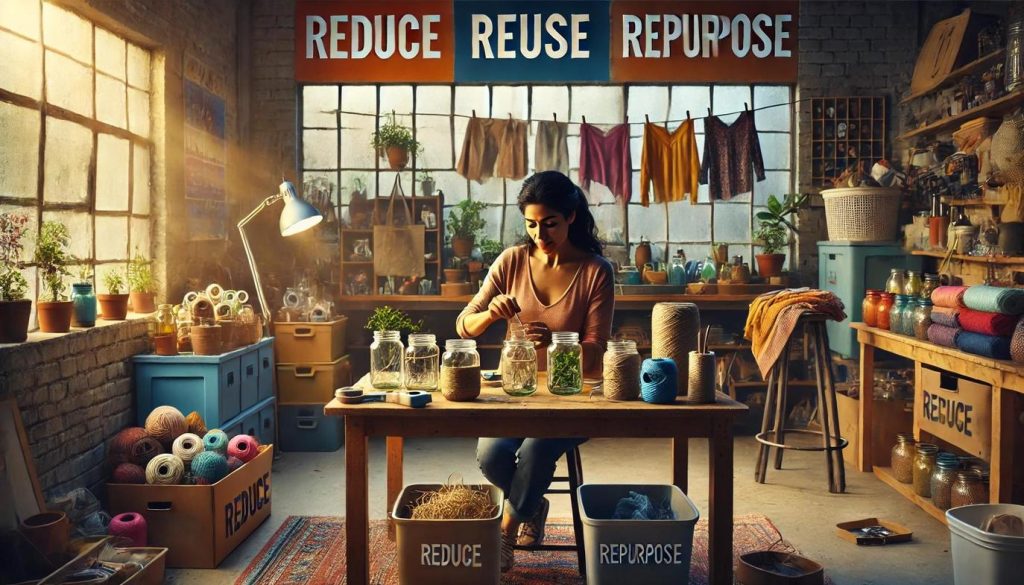
DISCOVER MORE: Click here for essential decluttering strategies
Connecting Decluttering with Environmental Impact
The act of decluttering transcends the simple task of tidying up; it paves the way to profound ecological advantages. As individuals confront their overflowing closets and crowded living spaces, they confront the larger issue of consumerism and its detrimental effects on our planet. The impact of excessive consumption manifests in various ways, from greenhouse gas emissions to the rampant depletion of natural resources. The good news? A commitment to decluttering can mitigate these consequences significantly.
When we embrace minimalism, we naturally gravitate toward practices that align with ecological values. Here are several actionable ways in which decluttering promotes sustainability:
- Encouraging Mindful Purchases: The process of evaluating what we truly need encourages us to make conscious purchasing decisions. When individuals adopt a decluttering mindset, they are more likely to invest in high-quality, sustainable products rather than indulging in fast fashion or trendy items, which often end up as waste. This shift not only helps maintain a cleaner living environment but also supports brands committed to eco-friendly practices.
- Promoting Second-Hand Economy: Decluttering provides the opportunity to donate or sell items that are still in good condition. This supports second-hand commerce, which is essential for encouraging a circular economy. Participating in thrift shops or host swap events keeps usable goods in circulation, effectively reducing waste and carbon emissions associated with new manufacturing.
- Advancing Conscious Living: A minimalist approach to life can lead to more meaningful experiences. With fewer possessions to manage, individuals often find themselves dedicating more time to relationships, experiences, and activities that build joy and fulfillment. This lifestyle change can lead to enhanced mental health, with studies suggesting a link between reduced clutter and lower stress levels.
Statistics reveal alarming trends regarding waste generation in the United States. In 2018, the EPA reported that food, clothing, and electronics comprised a significant percentage of the approximately 292.4 million tons of trash produced. By actively decluttering and choosing to contribute less, we can all play a part in addressing this challenging issue. Each choice we make—whether giving away old clothes, donating unused furniture, or resisting impulse purchases—shapes our collective impact on the environment.
The transition toward a sustainable lifestyle through decluttering is not merely about cutting back on material goods; it is about fostering a mindset that prioritizes long-term ecological health over transient satisfaction. As people engage in this journey, they often discover an uncanny sense of freedom from the consumerist rat race, allowing them to cultivate an intentional existence that prioritizes well-being and sustainability.
In the following sections, we will delve deeper into practical decluttering strategies and their resultant contributions to environmental initiatives, revealing how simplicity enhances both personal health and ecological consciousness. As we explore these connections, it becomes evident that through the act of letting go, we can embrace a greener, more sustainable future.
| Advantage | Impact on Sustainability |
|---|---|
| Less Waste Generation | Reducing belongings leads to significantly lower consumption of resources and materials, hence minimizing landfill contributions. |
| Improved Energy Efficiency | With fewer possessions, households tend to require less energy for heating, lighting, and cooling, resulting in reduced carbon footprints. |
As we delve deeper into the world of decluttering, it becomes evident that the connection between reducing belongings and embracing sustainability is profound. One crucial advantage of adopting a decluttering mindset is the reduction of waste generation. By choosing to own fewer items, individuals can effectively minimize their consumption of raw materials and the energy expended in production. This conscious decision not only alleviates pressure on waste management systems but also dramatically decreases the accumulation of goods that ultimately end up in landfills.Furthermore, another critical aspect is the promotion of improved energy efficiency. Households that embrace minimalism often witness a decline in their energy requirements for daily living. With less clutter occupying space, the energy needed for heating, cooling, and lighting can be significantly reduced. This transition not only contributes to lower utility bills but also lessens one’s overall carbon footprint, aligning personal behavior with ecological responsibility. By understanding these advantages, we can see that decluttering is not just a personal journey but a collective movement towards a more sustainable future. The ripple effects of these actions can inspire communities to rethink their consumption practices, paving the way for a harmonious relationship with our environment. The shift towards a simplified lifestyle is a compelling opportunity for fostering ecological awareness and stewardship.
DIVE DEEPER: Click here to uncover more insights
Transforming Waste into Resources: Decluttering in Action
As we delve deeper into the relationship between decluttering and sustainability, it becomes clear that our discarded items hold potential beyond mere trash. Every household has a plethora of belongings that may no longer serve a purpose but can significantly contribute to a more sustainable ecosystem if treated thoughtfully. The movement toward a circular economy is gaining traction, emphasizing the importance of reusing and recycling goods rather than consigning them to landfills.
Recycling Programs and Their Impact
One of the most effective ways to reduce waste is through local recycling programs. Communities across the United States have initiated recycling campaigns that encourage residents to sort and properly dispose of materials like plastics, glass, and metals. According to the Environmental Protection Agency (EPA), recycling and composting prevented the release of approximately 186 million metric tons of carbon dioxide equivalent into the air in a single year, demonstrating the significant environmental benefits of reducing waste.
Decluttering presents an opportunity to take part in these initiatives. By gathering items that can be recycled—such as electronics, batteries, or old appliances—individuals can help alleviate the strain on landfills while conserving valuable resources. Many cities host special collection events for such materials, allowing people to responsibly dispose of electronic waste that can be hazardous to the environment when improperly disposed of.
Creating a Donation Culture
In addition to recycling, decluttering promotes a culture of donation that directly contributes to sustainability. Organizations like Goodwill, Habitat for Humanity ReStores, and local shelters are excellent recipients of unwanted items, ensuring that goods are reused and do not contribute to waste. Donating gently used items extends their life cycle and reduces the demand for new production, which often entails ecological costs ranging from depletion of natural resources to increased pollution.
Statistics from the National Association of Professional Organizers indicate that 70% of households in the United States—about 84 million—are overwhelmed by the clutter within their spaces. If just a fraction of these individuals chose to declutter responsibly through donation, the impact could be monumental. A shift toward donating rather than discarding can contribute significantly to reducing the ever-growing landfill crises in the U.S., where over 292 million tons of waste are generated annually.
Embracing a Sustainable Mindset
The principles of sustainability extend far beyond recycling and donation. Decluttering encourages consumers to adopt a philosophy of intentionality in their lives—a conscious decision to prioritize quality over quantity. By embracing this mindset, individuals often find themselves resisting the allure of impulse buying and the habitual accumulation of items they do not need. Instead, they invest in experiences or lasting goods that promote a deeper connection to their environment and community.
Moreover, many individuals report that as they declutter and make space in their homes, they simultaneously create room for sustainability practices, such as composting, organic gardening, or energy-efficient systems. By reducing physical possessions, people often become more aware of their consumption habits, recognizing the need to align their lifestyles with the health of the planet.
As we explore the intersection of decluttering and ecological responsibility, it is clear that the journey toward a sustainable lifestyle is not merely an act of minimalism; it is a conscious choice to transform how we interact with the world around us. Each act of decluttering serves as a stepping stone toward reducing our environmental footprint and nurturing a healthier planet for future generations.
DISCOVER MORE: Click here to simplify your schedule
Conclusion: A Call to Action for a Sustainable Future
In reflection, the relationship between decluttering and sustainability offers a compelling narrative that invites us to rethink not only our possessions but also our values and practices. As we have seen, reducing belongings not only alleviates personal stress and enhances living spaces but is also a potent tool for fostering environmental awareness and responsibility. By engaging in intentional decluttering, we unlock the potential for remarkable ecological benefits, such as minimizing waste, promoting recycling, and nurturing a culture of donation.
The transition towards a sustainable lifestyle requires not just action but a paradigm shift in how we perceive consumption. As we discard items that no longer serve us, we simultaneously pave the way for a more conscientious approach to acquisition—favoring quality over quantity and supporting local economies through second-hand goods. Recent statistics reveal that transitioning even a fraction of the overwhelming clutter in American homes into responsible channels could significantly mitigate the landfill crisis, shedding light on the profound impact individuals can have.
Ultimately, adopting a sustainable mindset through decluttering encourages a lifestyle that prioritizes ecological integrity and community connection. Each decision to recycle, donate, or thoughtfully consume reflects a commitment to safeguarding our planet for future generations. As stewards of the environment, we hold the power to transform our clutter into opportunities for change. Let us embrace this journey with the intent to reshape our home and, by extension, our Earth into a more sustainable sanctuary for all.