Decluttering and the Art of Curation: Selecting What Truly Matters in Your Life

Your Pathway to Clarity Begins Here
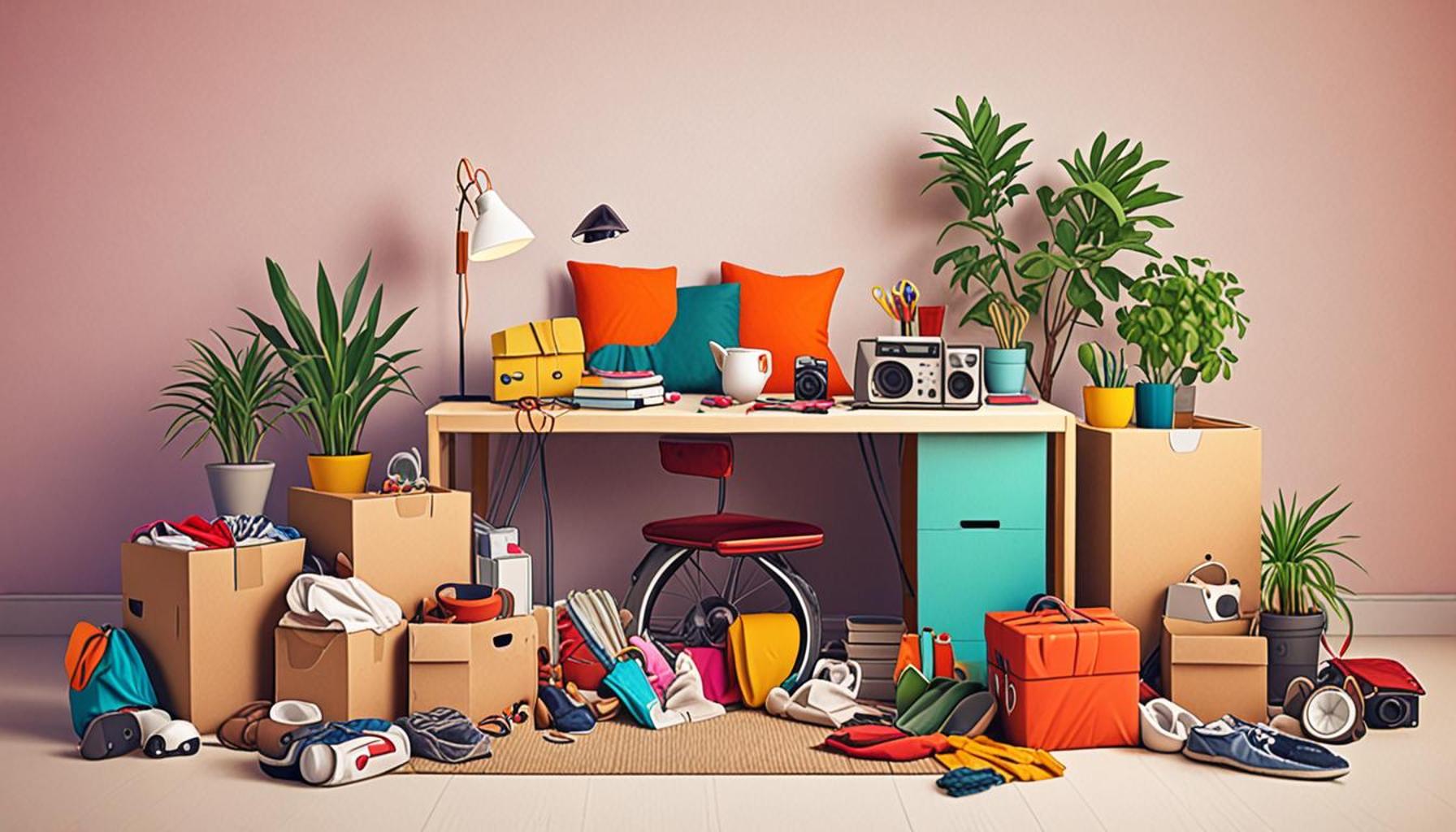
In our fast-paced world, *clutter* seems to accumulate faster than ever. It can be physical items in our homes, mental distractions, or emotional baggage. The question arises: How do we discern what truly matters in our lives? As the hectic pace of modern living continues to escalate, individuals often find themselves overwhelmed with an excess of possessions, responsibilities, and thoughts, leading to a pronounced sense of chaos.
Engaging in the practices of decluttering and curation can lead to a profound transformation. By simplifying our surroundings, we allow room for what is essential. The significance of this journey extends beyond just having a tidy home; it actually affects our overall well-being. Here’s why this journey is significant:
- Improved Mental Clarity: Research highlights a connection between cluttered spaces and increased levels of stress and anxiety. Clearing physical clutter can lead to clearer thoughts, enabling individuals to process information more effectively and make better decisions.
- Enhanced Focus: Reducing distractions brings sharper concentration on what matters most. For example, students or professionals can benefit from an organized workspace, enhancing their ability to focus on tasks or studies without being sidetracked by chaotic surroundings.
- Emotional Freedom: Letting go of unnecessary baggage can promote personal growth. Unraveling emotional ties to physical possessions—like that old pair of shoes from a past relationship—can be liberating and open a path for new experiences and relationships.
The art of curation requires intention and mindfulness. It’s about sifting through the noise of everyday life to find gems worth keeping. Here are key elements to consider:
- Value Assessment: Identify what truly adds value to your life. Ask yourself if each item contributes to your happiness or practical needs—from that cherished cookbook to the bulky treadmill occupying your garage.
- Emotional Connection: Keep items that evoke joy or meaningful memories. For instance, photographs from treasured family vacations can serve as a source of inspiration and gratitude.
- Practical Use: Consider what you actually need regularly. Evaluating whether you’ve used an item in the past year can be a telling indicator of its necessity. This can help one decide what to keep and what to release.
As we delve deeper into the process of decluttering and curation, you will discover practical strategies and insights. Consider starting small—perhaps with a single drawer or closet. This incremental approach can ease the feeling of being overwhelmed and provide quick wins, bolstering your motivation to continue. These guiding principles can ultimately lead you toward a more intentional and fulfilling life, creating not just space in your home but also clarity in your mind and peace in your heart.
DIVE DEEPER: Click here to uncover more insights
The Essentials of Decluttering and Curation
To embark on the journey of decluttering, one must first understand that it’s not simply about throwing things away; it’s a conscious process of curation. In our consumer-driven society, we’re inundated with choices—from home decor to personal belongings, the options can be overwhelming. This barrage of stimuli often leads to an accumulation of items that no longer serve us. Therefore, identifying and retaining only what resonates with our values becomes essential.
Sustaining a meaningful life entails examining what we allow into our personal space. The act of curation is an exercise in intentionality. Here are fundamental steps to guide you through the decluttering process:
- Set Clear Objectives: Before diving into the decluttering process, define your purpose. Are you looking to create a serene environment? Do you want to minimize distractions? Setting clear goals will enhance your focus and motivation.
- Establish a Timeline: It’s vital to dedicate specific timeframes for decluttering sessions. This prevents the task from becoming too daunting and allows for a gradual transformation of your space.
- Adopt the ‘One In, One Out’ Rule: To maintain balance as you curate your environment, embrace this rule. For every new item brought into your home, consider letting go of one that no longer serves a purpose.
- Curate by Category: Rather than tackling your home room by room, concentrate on specific categories—clothing, books, or kitchenware. This method often unveils patterns in your consumption habits and emotional ties to belongings.
Research indicates that a cluttered environment can contribute to feelings of anxiety and disorganization. According to a study conducted by the American Psychological Association, individuals living in cluttered homes report higher stress levels. They struggle to focus and feel overwhelmed by possessions that seem to linger without serving a functional role. In contrast, when you actively engage in decluttering, you not only clear your space but also declutter your mind, opening the door to heightened creativity and productivity.
Moreover, curating your belongings allows room for growth and innovation in your life. When we prioritize what we keep, we create a canvas for our identities to flourish. A well-curated space not only embodies a reflection of our values but also cultivates an atmosphere conducive to personal development.
As you proceed with the decluttering process, remember that it’s about embracing minimalism without sacrificing joy. It’s the art of selecting what truly matters that leads to a richer, more fulfilling existence.
| Advantage | Details |
|---|---|
| Enhanced Mental Clarity | Clearer spaces lead to a clearer mind, allowing for better focus and creativity. |
| Emotional Well-being | Reducing clutter reduces stress levels, contributing to greater overall happiness. |
In exploring the journeys of decluttering and curation, it’s essential to discern how these changes not only impact physical spaces but also transform mental and emotional landscapes. Mental clarity is one of the most profound benefits of a decluttered environment. By embracing the art of curation—selecting only those items that carry true significance—individuals often find that their minds clear as well. The physical act of removing unnecessary items can catalyze a shift in perspective, enabling enhanced focus and creative thought processes. Moreover, emotional well-being is closely tied to the concept of curating one’s life. A clutter-free space can naturally result in lowered stress levels and a more peaceful state of mind. This emotional clarity encourages individuals to align more closely with what genuinely matters to them, fostering connections with the people and activities that enrich their lives while shedding the excess that drains their energy. Delving into these advantages provides a compelling view of how decluttering might not just be a chore but a transformative journey toward a more meaningful existence. As you continue to read, consider how these principles could be applied in your life, unlocking potential you may not have previously recognized.
DISCOVER MORE: Click here for insightful techniques
Embracing Mindfulness in the Curation Process
As we delve deeper into decluttering and curation, it’s crucial to integrate mindfulness into this transformative journey. Mindful decluttering encourages us to become aware of our emotions, thoughts, and the significance of the items we possess. This awareness extends beyond physical belongings; it permeates our relationships, commitments, and mental well-being.
Mindfulness invites you to engage with each object, reflecting on its necessity and significance in your life. To practice this, consider implementing the following strategies:
- Visualize Your Ideal Space: Close your eyes and imagine the type of environment that resonates with you. What does it look like? How do you feel in it? Use this vision as a guiding light during your decluttering efforts.
- Ask Reflective Questions: Engage in a dialogue with your possessions. Questions like “Does this item bring me joy?” or “How often do I use this?” can help illuminate what truly matters.
- Create a ‘Memory Box’: For items that hold sentimental value but don’t serve a functional purpose, consider designating a ‘memory box.’ Limit its size to maintain focus on only the most cherished items.
Additionally, recent studies reveal that mindful living can significantly impact one’s emotional health. Research published in the journal “Psychological Science” indicates that individuals who practice mindfulness report reduced anxiety and increased happiness. When applied to decluttering, mindfulness allows for a more profound connection to the process, empowering individuals to let go with intention rather than impulsively.
Moreover, curation is not merely an interior task; it encompasses every aspect of our lives, including digital clutter, relationships, and time management. The digital age has compounded our challenges, where notifications, emails, and excessive content can lead to digital overwhelm. Curating your online presence, unfollowing social media accounts that lack value, and organizing digital files can mirror the physical decluttering process and refresh your mental space.
The social aspect of curation also deserves attention. As we tackle physical items, it’s essential to assess the relationships that contribute positively to our lives. Surrounding ourselves with individuals who uplift and inspire us can provide motivation and emotional support throughout the decluttering journey. Studies consistently show that strong, positive relationships contribute to overall well-being, while toxic connections may lead to mental clutter and distress.
Incorporating a community approach to decluttering can also yield benefits. Engaging friends and family in the process, hosting a swap party, or participating in local initiatives can turn the task into a social event. This communal aspect not only fosters connection but can also offer diverse perspectives on what to keep or let go, enriching the curation process.
Ultimately, embracing a mindful approach to decluttering and curation enables us to create a life filled with intention and purpose. The act of selecting what truly matters shapes not just our physical surroundings but cultivates a holistic sense of well-being that spans every facet of our existence.
DISCOVER MORE: Click here to enhance your efficiency
Finding Clarity Through Decluttering
In conclusion, the journey of decluttering and curation is much more than a mere organizational task; it is a profound exploration of our lives and values. By intentionally selecting what we choose to keep, we foster a clearer perspective on what truly matters to us. This process not only enhances our physical environments but also empowers our emotional and mental well-being. As we embrace mindfulness in this practice, we cultivate a deeper connection to our belongings and our relationships, allowing us to sift through the noise and focus on meaningful connections.
Moreover, as we navigate our increasingly digital lives, applying the principles of curation to our online spaces becomes equally vital. Reducing digital clutter not only frees up mental bandwidth but also positions us to engage more meaningfully with content that inspires and nourishes us. The act of curation can lead to a more fulfilling existence, where we prioritize quality over quantity, creating environments—both online and offline—that reflect our true selves.
Ultimately, the art of curation serves as a guiding principle in our fast-paced society, providing us with a framework for living with intention. It challenges us to ask difficult questions that promote self-reflection and growth. As you embark on your own decluttering journey, remember that the path to a more meaningful life is paved with purpose, clarity, and an unwavering commitment to curate what truly matters. By simplifying, we unlock the potential for a richer, more connected existence, inviting tranquility and joy into our daily lives.