Decluttering and the Transformation of Outdoor Spaces: Creating Minimalist Gardens and Balconies
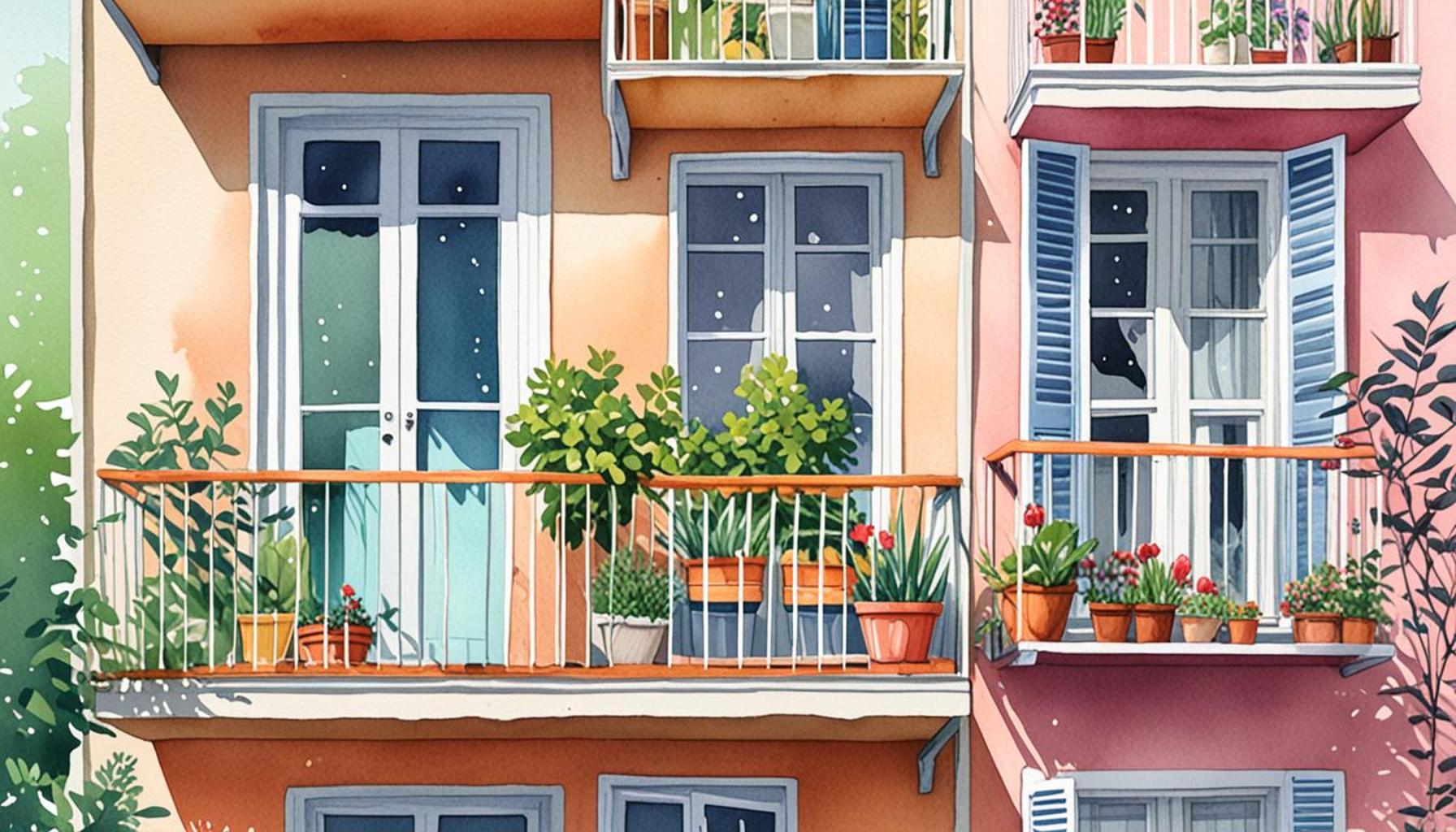
Creating a Peaceful Oasis in Your Outdoor Space
The fast pace of contemporary life in urban and suburban settings often results in a disconnection from nature, leading to heightened stress levels and diminished well-being. To counteract this, reimagining our outdoor spaces—be it a sprawling garden or a compact balcony—can foster a sense of calm. Decluttering not only simplifies our interiors but also enhances the serenity of our outdoor environments by eliminating the chaos that often invades these areas. Through the adoption of a minimalist ethos, one can cultivate tranquil retreats that resonate with peace and clarity.
Minimalist gardens and balconies embody specific design principles that focus on the essentials while eliminating excess. These spaces are defined by:
- Thoughtful Plant Selection: Opt for plants that are indigenous to your region, as they typically require less maintenance and are better equipped to thrive in local conditions. For instance, in the southeastern United States, consider incorporating native species like the Black-eyed Susan or Butterfly Weed, which not only enhance the beauty of your outdoor space but also support local wildlife.
- Natural Materials: Embrace the use of sustainable materials such as reclaimed wood, natural stone, or bamboo in your outdoor design. Elements like a wood-slatted bench or a stone pathway can create a cohesive and inviting feel, connecting your space to the surrounding landscape.
- Functional Furniture: Choose furniture that prioritizes comfort without overwhelming the area. A sleek, modern lounge chair or a small, stylish table can provide utility without cluttering your visuals—allowing the beauty of your plants and natural elements to shine through.
The discipline of decluttering is not limited to our homes; it can be effectively applied to our outdoor environments as well. Studies have shown that access to green spaces can significantly enhance mental health, as they provide opportunities for relaxation, reflection, and reconnection with nature. Thus, curating your outdoor area to feel more inviting and restful is not merely an aesthetic task but a necessary one for emotional well-being.
Diving deeper into the realm of minimalist gardens and balconies reveals a wealth of practical strategies and design inspirations. Strategies such as vertical gardening can maximize small spaces, transforming bland walls into lush green canvases. Incorporating water features—like a small fountain—can enhance the auditory landscape, offering the soothing sound of trickling water. Let us guide you through these conscious design choices, leading you to cultivate a personal sanctuary that encourages a more peaceful and fulfilling lifestyle.
DIVE DEEPER: Click here to discover more
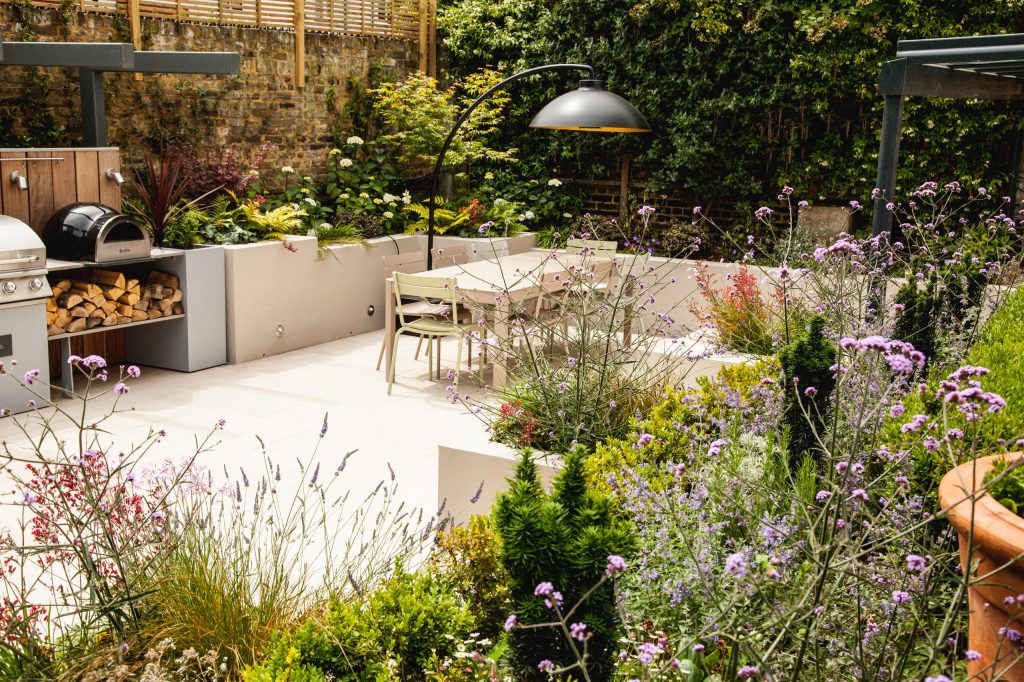
Embracing Minimalism: Principles for Outdoor Spaces
Transforming outdoor spaces into minimalist gardens and balconies requires a deliberate approach that emphasizes simplicity and intentionality. To cultivate areas that radiate tranquility, it is crucial to adhere to specific design principles that align with the minimalist ethos. Here are essential components to consider when embarking on this journey of decluttering your outdoor environment:
- Clearout Unnecessary Items: Begin by assessing your outdoor space and removing items that are not essential to its function or aesthetic. This may include unused furniture, old pots, or decorations that clutter the area and detract from its beauty. A clean canvas allows your chosen elements to shine and promotes a sense of clarity.
- Unified Color Palettes: Minimalist design thrives on cohesive color schemes. Select a limited palette of colors that complement nature, such as soft greens, muted earth tones, and crisp whites. This approach not only enhances aesthetic appeal but also creates a harmonious environment that feels inviting and seamless.
- Strategically Placed Focal Points: Select key features that serve as focal points within your garden or balcony, such as a striking sculpture or a beautifully blooming plant. These elements should draw the eye and foster an emotional connection while allowing open space around them to maintain an uncluttered look.
Moreover, the integration of functional and aesthetic elements is vital in creating a space that embodies the principles of minimalism. Furniture selection should prioritize versatility and simplicity. For instance, modular seating can adapt to various occasions without overcrowding the area, while a simple outdoor dining set allows for functionality without fuss. Choosing pieces that serve multiple purposes is a powerful way to keep clutter at bay.
One of the most innovative aspects of minimalist gardening is the use of vertical gardening techniques. This approach is particularly advantageous for urban dwellers with limited space. Vertical setups, whether hanging planters or wall-mounted pots, enable gardeners to create lush environments without compromising square footage. By layering plants upwards, you not only maximize space but also add dimension and visual interest to your outdoor area.
Lastly, consider the importance of sustainable practices within your minimalist approach. Implementing native plants reduces the need for excessive watering or maintenance, creating a low-impact garden that thrives in its environment. This commitment to sustainability not only enhances the aesthetic value of your garden but also benefits local ecosystems by supporting native pollinators and wildlife.
As you embark on decluttering and transforming your outdoor spaces into minimalist gardens and balconies, each choice made contributes to a harmonious oasis that mirrors peace within and fosters well-being. This mindful restructuring not only rejuvenates your physical environment but also nurtures your mental state, ultimately leading to a more balanced and fulfilling life.
| Advantages | Key Features |
|---|---|
| Simplified Aesthetic | Minimalist gardens emphasize clean lines and open spaces, creating a calming environment. |
| Increased Functionality | Outdoors can be optimized for relaxation and socializing, making these spaces more inviting. |
| Low Maintenance | Minimalism reduces clutter, leading to less upkeep and allowing for more leisure time. |
| Enhanced Nature Connection | Fostering a deeper appreciation for plants and natural elements improves wellbeing. |
The shift to creating minimalist gardens and balconies pivots around the theme of decluttering our outdoor spaces, promoting not only a visually striking environment but also enhancing our overall lifestyle. A simplified aesthetic is not merely about the look; it’s about generating tranquility and peace in our bustling lives. With fewer competing visuals, the beauty of each element takes center stage, allowing the serenity of nature to permeate the outdoor experience.Moreover, increasing functionality within these spaces leads to areas designed for social engagement and personal retreat, ultimately enabling hosts and guests to interact effortlessly amidst the backdrop of greenery. This purposeful design transforms typically unused nooks into cherished hideaways for relaxation.Additionally, embracing a minimalist approach translates into low maintenance. By investing in intentional plant choices and streamlined designs, outdoor spaces demand significantly less upkeep. This allows homeowners the luxury of time, encouraging them to enjoy their gardens and balconies rather than laboring over them. Finally, this transformation facilitates a more profound connection with nature, which is essential for enhancing mental and physical well-being. In embracing decluttering, we not only optimize our outdoor realms but also enrich our daily lives.
DISCOVER MORE: Click here to find out how decluttering can transform your mental well
Innovative Design Features for Minimalist Outdoor Areas
As you delve deeper into the art of creating minimalist gardens and balconies, innovation in design elements can significantly enhance your outdoor experience. By leveraging inventive ideas, you can craft a serene environment that is not only visually appealing but also functional.
Incorporating Texture and Layering is essential in achieving depth within a minimalist garden. Rather than using a riot of colors, look for plants that offer varying leaf shapes and sizes to create intrigue and contrast. For instance, the smooth leaves of a jade plant can be juxtaposed against the feathery fronds of ferns. This approach not only draws attention to the natural beauty of the plants but also keeps the atmosphere uncluttered while being visually stimulating.
Open Pathways are another vital design feature in establishing flow through your garden or balcony. Avoid overcrowded plantings and instead, create pathways that allow guests to move effortlessly through the space. Use modern materials such as stone pavers or permeable decking that seamlessly blend into the landscape. This encourages exploration and provides the illusion of a more extensive space.
Water Features can serve as focal points that amplify the sense of calm in minimalist designs. Whether it’s a small fountain or a reflective pond, the gentle sound of flowing water can transform your outdoor space into a meditative retreat. Even incorporating simple elements, like a shallow basin that reflects sky and greenery, can create a sense of tranquility without overwhelming the space.
When it comes to furniture, translucent materials like acrylic or glass can be effective for maintaining minimalism. Such furniture appears light and unobtrusive, allowing plants and the surrounding space to take center stage. Additionally, consider innovating with expandable options, such as foldable tables and stackable chairs. This versatility provides functionality without the drawback of bulky furniture cluttering your area.
A key trend gaining traction in minimalist garden design is the concept of smart gardening. Utilizing technology, such as automated irrigation systems and self-watering planters, not only streamlines maintenance but also promotes sustainable gardening. Busy urban dwellers can find solace in managing gardens through smart technology, allowing them to enjoy the natural environment while keeping the upkeep simple and organized.
Lastly, creating dedicated spaces for specific activities can enrich your outdoor experience. Whether it’s a meditative corner with a comfortable chair and small side table for reading or a designated area for outdoor cooking, these specific designations allow you to relish each moment in the garden or balcony without distractions. This concept aligns seamlessly with minimalism, emphasizing the importance of purpose within your space.
By integrating these innovative ideas into your decluttering journey, the transformation of your outdoor environment can transcend aesthetic appeal and evolve into a personal sanctuary that enhances well-being and connects you with nature. Such mindful enhancements not only reflect minimalism’s core ideals but also foster a deeper appreciation for the simplicity of life.
DISCOVER MORE: Click here to learn how decluttering can transform your mornings
Conclusion: Embracing Minimalism in Outdoor Spaces
In the journey of decluttering and transforming outdoor spaces, the principles of minimalism present a powerful opportunity to reconnect with nature, reduce stress, and enhance our living environments. By thoughtfully integrating innovative elements such as textured plantings, open pathways, and calming water features, homeowners can cultivate a serene oasis that resonates with both beauty and function. These design features not only elevate the aesthetic appeal of gardens and balconies but also encourage a mindful approach to outdoor living.
The appeal of using translucent furniture and multifaceted spaces highlights the potential for versatility in minimalist design. This ensures that each corner of your outdoor area serves a purpose, fostering an atmosphere that aligns with the fast-paced demands of modern life. Moreover, embracing smart gardening techniques introduces efficiency and sustainability into the equation, allowing urban dwellers to simplify maintenance while still enjoying a lush, vibrant outdoor retreat.
As you embark on your decluttering journey, remember that creating a minimalist garden or balcony is not just about aesthetics; it’s about shaping an environment that reflects your lifestyle and values. It invites a deeper connection to the natural world, cultivating peace and clarity in our daily lives. So, let the art of minimalism guide you in designing spaces that are not only aesthetically pleasing but also nurturing for the mind, body, and soul. Embrace the transformation and watch as your outdoor spaces evolve into havens of tranquillity and inspiration.