Decluttering Strategies for Small Spaces: Maximizing Functionality with Minimal Belongings
Understanding the Importance of Decluttering
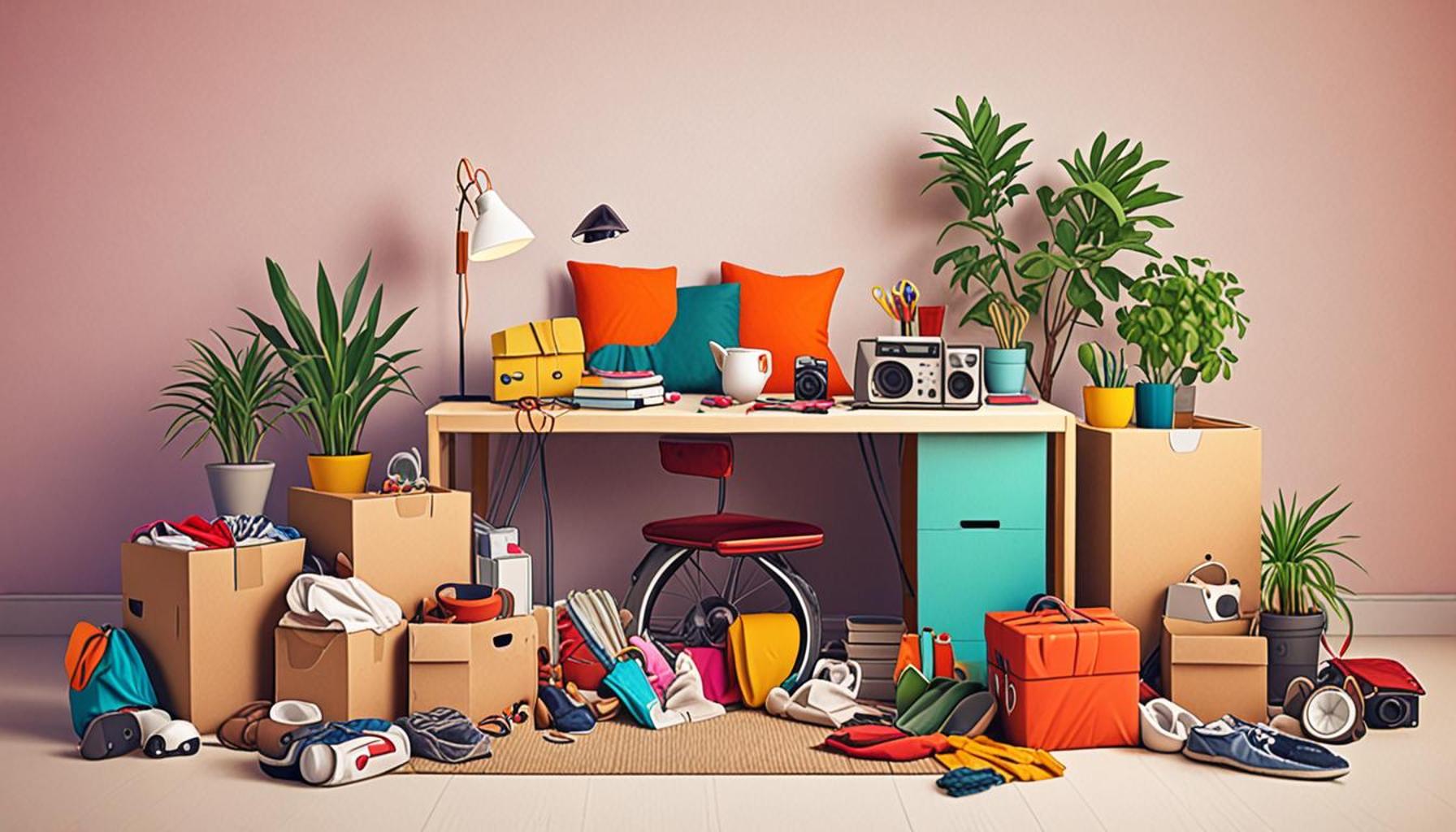
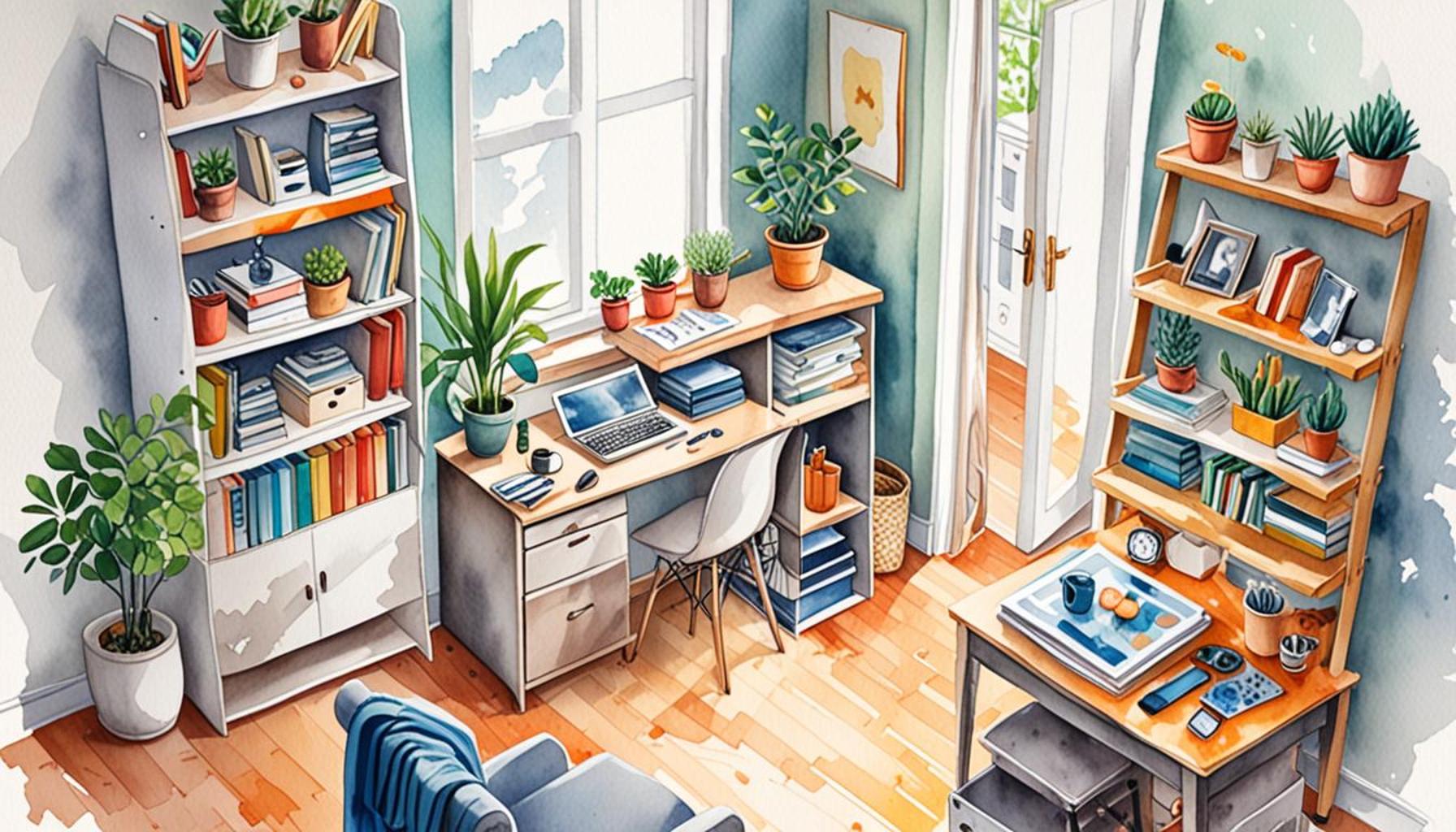
Living in tight quarters can sometimes feel stifling, not just due to the limited space but also because of the mental load that comes with disorganization. Decluttering is a practice that goes beyond mere tidying; it is a proactive approach that restores balance in your living space. A clutter-free environment has been shown to enhance focus and productivity, as well as decrease feelings of overwhelm. By creating a streamlined space, homeowners can more easily navigate their daily routines, leading to a significant boost in overall well-being.
Strategies to Optimize Your Small Space
To effectively manage small spaces, consider the following strategies:
- Embrace Multi-Functional Furniture: Investing in furniture that fulfills multiple roles can be a game-changer. For instance, a sofa bed can serve as both a comfortable seating area during the day and a guest bed at night. Similarly, an ottoman with built-in storage can store rarely used items like blankets or books, allowing you to keep surfaces clear and open.
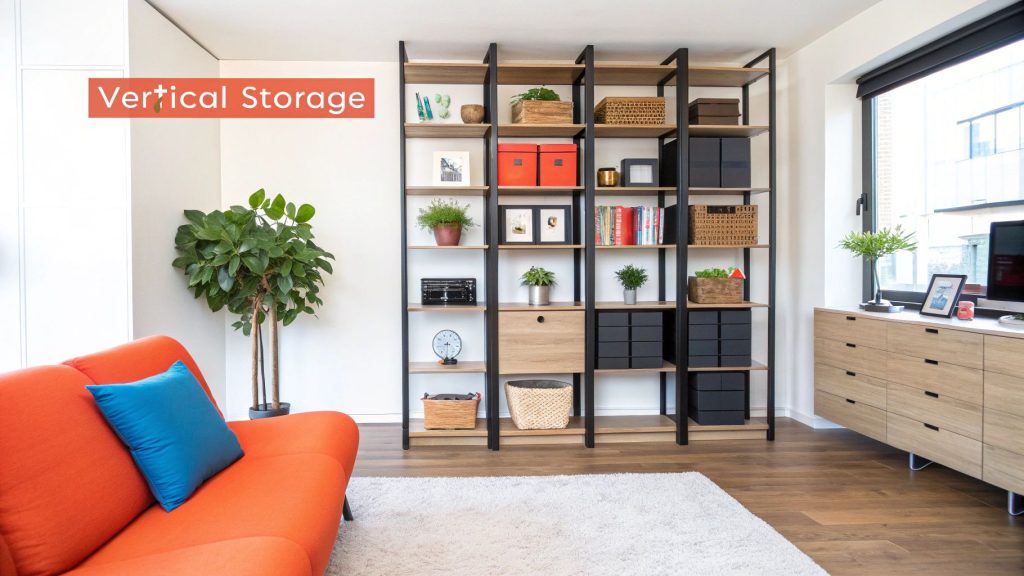
- Vertical Storage Solutions: In small homes, wall space is often overlooked. Installing shelves or floating cabinets can dramatically increase your storage capacity without consuming floor space. Hooks or pegboards can be employed in kitchens or entryways to hold items such as pots, pans, or bags, making them easily accessible while keeping them up and out of the way.
- Regularly Assess Belongings: Adopting the habit of regularly evaluating your possessions can prevent clutter from accumulating over time. Consider implementing a seasonal purge, where you go through your items every three months to determine what you genuinely need. Following the principles of the popular Marie Kondo method, keep only items that spark joy or serve a practical purpose. This approach can transform not just your space but also your mindset.
By integrating these methods, you can effectively transform what may feel like a cramped space into a welcoming and functional environment. Imagine small nooks evolving into cozy reading corners or underutilized areas becoming organized workspaces. Research has shown that the physical environment greatly influences mental clarity. Decluttered spaces can significantly improve productivity and reduce stress levels, making these strategies not just beneficial but essential.
Diving Deeper into Decluttering Techniques
In this article, we’ll take a closer look at various decluttering techniques, emphasizing practical applications that can create a more spacious and efficient living environment. Whether you reside in a bustling city apartment or a quaint home in the suburbs, these strategies can provide solutions that make a tangible difference. By mastering the art of decluttering, you can reclaim your space and, in turn, enhance your lifestyle.
Consider what you truly need and how each item contributes to your life. Many find inspiration from decluttering documentaries or guides, which can offer additional insights and unique strategies tailored to a variety of living situations. Take the plunge into a more organized existence—your future self will thank you.
LEARN MORE: Click here to discover the effects of disorganization</p
Smart Organizational Techniques for Small Spaces
In the realm of small space living, organization holds the key to creating a sense of freedom and ease. With every square foot more precious than gold, it becomes vital to implement strategies that not only free up space but also maximize functionality. The following techniques provide valuable insight into how to transform your living arrangements through precise organization.
- Utilize Under-Bed Storage: The area beneath your bed is often an untapped resource. Consider investing in under-bed storage containers to stow away seasonal clothing, extra linens, or shoes you don’t frequently wear. This tactic keeps your main living areas uncluttered while ensuring that occasional-use items are accessible yet discreetly stored.
- Create Zones within Rooms: This strategy involves delineating specific areas in a room for different activities. For instance, if your living room also serves as a home office, use a bookshelf or decorative screen to visually separate the workspace from lounging areas. This not only helps create focus when working but also maintains a sense of balance in your environment.
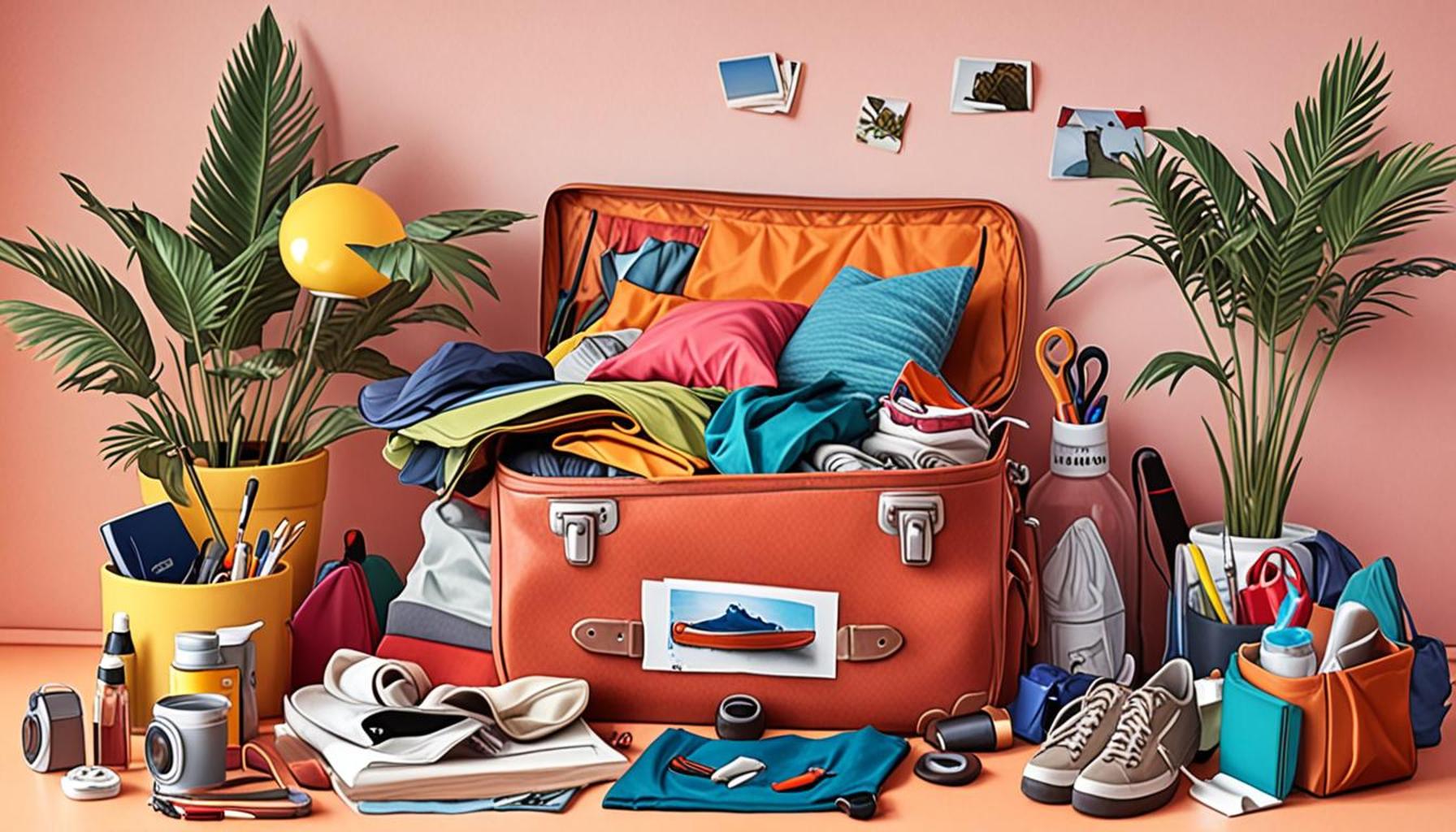
- Repurpose and Upcycle: Before throwing out items you no longer use, consider how they can be repurposed. A vintage suitcase could become a charming side table, and glass jars can serve as attractive storage for office supplies. Upcycling not only keeps items from ending up in landfills but also imbues your space with character.
Implementing these organizational techniques not only provides practical storage solutions but also reflects a lifestyle choice that favors minimalism—a growing trend particularly resonant in densely populated urban settings. As more people embrace living with less, understanding how to make the most out of limited space becomes paramount.
Color and Space Perception
Another aspect of maximizing small spaces involves the thoughtful consideration of color. Light, airy colors tend to create an illusion of a larger space, making it feel open and inviting. Shades of white, soft pastels, or light neutrals can enhance natural light, giving the sense of a wider expanse. In contrast, darker hues can make a room feel cozier but may also compress the space visually.
By implementing these intelligent organizational strategies along with strategic color choices, you can enhance your home’s functionality while fostering a serene and inviting atmosphere. Decluttering is not merely a physical act; rather, it’s about fostering an enjoyable and stress-free living environment. As we delve deeper into specific decluttering approaches, consider how each technique could harmonize with your lifestyle and preferences.
Effective Decluttering Techniques
When it comes to decluttering small spaces, implementing the right strategies can significantly enhance functionality. One of the most effective methods is the one-in-one-out rule. This approach requires you to remove one item every time you bring a new one into your home, fostering a habit of maintaining minimal belongings. It encourages mindfulness about what you truly need and helps prevent clutter from accumulating.Another powerful strategy is to utilize multi-functional furniture. Investing in pieces that serve more than one purpose, such as a bed with built-in storage or a coffee table that doubles as a desk, can optimize your space without adding unnecessary items.Organizational tools like storage bins and wall-mounted shelves are invaluable in small spaces. They help in categorizing and storing belongings efficiently. Utilizing vertical space not only keeps items off the floor but also draws the eye upward, making a space appear larger and more open.Additionally, visual decluttering is essential. Employing a consistent color palette and keeping decor minimal helps create a sense of cohesion and tranquility. This method goes beyond just removing items; it’s about creating harmony in your environment.Regularly reassessing your belongings is also crucial. Schedule seasonal decluttering sessions to evaluate what you truly need. This proactive method ensures your space remains functional and aligned with your lifestyle. Adopting these decluttering strategies can transform your small space into a haven of organization and functionality. Each strategy reinforces the idea of maintaining a home that is simple yet effective, allowing you to thrive without the burden of excess. As you explore these techniques, you’ll discover that elegance in simplicity enables a more functional living space, allowing for both comfort and practical use.
DISCOVER MORE: Click here to simplify your schedule
Innovative Storage Solutions for Every Nook
When living in small spaces, it’s crucial to think outside the box—quite literally. The right storage solutions can transform otherwise wasted areas into functional havens of organization. Here are several innovative storage techniques designed to maximize every nook and cranny in your home.
- Vertical Space Utilization: Many small spaces lack floor area but offer ample vertical space. Installing wall-mounted shelves, pegboards, or hooks can greatly expand your storage options without occupying precious square footage. By creating an organized vertical system for books, decorative items, or even kitchen utensils, you keep surfaces clear and make your space appear less cluttered.
- Multi-functional Furniture: Investing in multi-functional furniture is an effective approach to managing limited space. Consider a sturdy ottoman that opens for hidden storage or a bed with built-in drawers. These pieces serve dual purposes, reducing the need for additional items while enhancing the overall aesthetic of your home. For example, a fold-out dining table can transform into a compact workspace or serve as an entertaining area when guests are over.
- Door and Cabinet Storage: The insides of doors and cabinets are often overlooked places that can accommodate additional items. Add hooks, racks, or small organizers inside cabinet doors to store cleaning supplies, spices, or accessories. Additionally, consider measuring your cabinets for stackable containers to maximize vertical storage within them.
These innovative solutions not only lead to a more organized environment but also contribute to the overall functionality of small living spaces. A focus on smart design and adaptability reflects a modern approach to daily living, where efficiency is key. Furthermore, according to a study from the National Association of Realtors, homes with organized spaces not only sell faster but often achieve higher sale prices, underscoring the value of effective decluttering strategies.
Embracing Minimalism in Decor
Another influential factor in decluttering small spaces is adopting a minimalist approach to decor. By choosing simplicity over excess, you create a tranquil sanctuary that celebrates essential items without overwhelming your senses. This doesn’t imply stripping your space of personality; rather, it encourages curating meaningful decor items that resonate with you.
To achieve a minimalist aesthetic, consider implementing the one in, one out rule: for every new item you bring into your home, let go of another. This practice aids in maintaining a balance and prevents clutter from building up. Aim for pieces that reflect your style while serving a purpose, such as an elegant lamp that illuminates while adding a touch of sophistication.
Additionally, consider the impact of natural elements in small spaces. Incorporating plants can enhance air quality, brighten your surroundings, and cultivate a feeling of calm. Choosing low-maintenance varieties like succulents or snake plants ensures they thrive even in smaller living conditions.
As you explore these innovative storage solutions and embrace minimalism in decor, be excited about the transformative power of decluttering. Maximizing functionality with minimal belongings does not only improve your immediate living environment; it can also redefine how you interact with the space you call home.
DISCOVER MORE: Click here to deepen your understanding
Conclusion: Transforming Small Spaces into Functional Sanctuaries
In the journey of decluttering small spaces, the strategies discussed not only promote organization but also encourage a lifestyle that embraces simplicity and efficiency. By implementing innovative storage solutions, such as utilizing vertical space and investing in multi-functional furniture, individuals can significantly maximize functionality without feeling overwhelmed by their belongings. This approach transitions a cluttered environment into a serene haven that promotes productivity and well-being.
Moreover, adopting a minimalist approach to decor paves the way for a mindful selection of personal items, focusing on those that truly resonate and serve a purpose. The guiding principle of the one in, one out rule reinforces this mindset, ensuring that our spaces are filled with meaning rather than excess. Additionally, integrating natural elements like houseplants can further enhance not just the aesthetics but also the air quality, establishing a harmonious living environment.
Ultimately, the ongoing process of decluttering not only transforms physical spaces but also reshapes our relationships with material possessions. It cultivates a consciousness about what we own, fosters appreciation for the essentials, and brings clarity to our daily lives. As we navigate the constraints of living in small spaces, understanding and applying these decluttering strategies empowers us to create functional spaces that reflect our unique personalities and lifestyles. Take the plunge into a more organized and fulfilling living experience, where minimal belongings lead to maximum comfort and ease.