Decluttering with Family: How to Involve Everyone in the Journey of Reducing Belongings and Creating More Pleasant Spaces
Understanding the Benefits of Decluttering Together
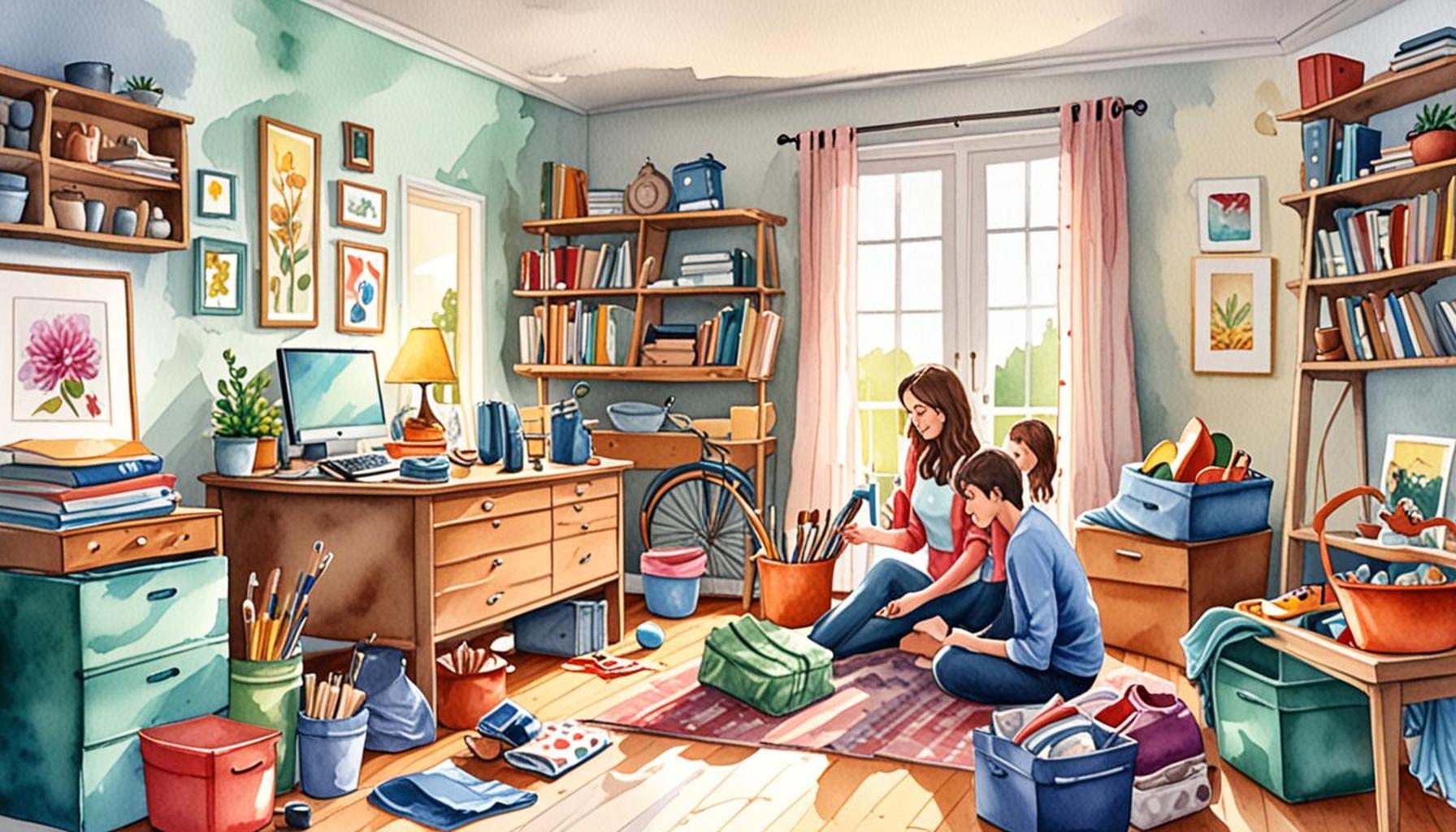
In today’s fast-paced world, it is increasingly common for families to accumulate a variety of belongings that sometimes exceed their living space. This excess can not only create physical chaos but also contribute to emotional stress and a sense of inefficiency. It’s no wonder that the act of decluttering as a family has emerged as both a practical solution and a bonding experience that brings numerous benefits to everyone involved.
When each family member participates in decluttering, it creates a shared experience that fosters teamwork and communication. Incorporating everyone into the process teaches valuable lessons about organization, sharing, and responsibility. For example, children can learn the importance of keeping their spaces tidy while also understanding the significance of letting go of items no longer needed. Engaging them in the process of deciding what to keep and what to donate helps instill a sense of ownership and respect for their belongings.
Strategies to Involve Everyone
To make the task of decluttering more enjoyable and systematic, consider these effective strategies:
- Assign roles: One way to begin is by designating specific areas or categories of items for each family member. For instance, parents can focus on common areas while children might tackle their bedrooms or toy boxes. This division ensures everyone has a clear task and contributes to the overall effort.
- Make it a game: Transform decluttering into a fun activity by introducing friendly competitions. You could challenge family members to see who can find the most items to donate or recycle within a set time. Adding a reward system—like a family movie night for the most items collected—can motivate participation and enthusiasm.
- Set goals together: Establishing common goals fosters a sense of purpose and teamwork. For example, as a family, you might decide to free up space for an overdue home project. Setting a timeline to complete the decluttering process can enhance accountability and ensure everyone stays on track.
As families engage in this transformative journey, not only will they achieve a cleaner and more organized living space, but they will also experience an increased appreciation for the things that truly matter. Objects that have long been sidelined may reveal cherished memories or forgotten treasures, prompting conversations about family history, shared interests, or future endeavors.
Are you ready to take the plunge and create a more pleasant living environment together? Embrace the excitement of decluttering, enjoy the time spent bonding with your loved ones, and watch how your shared spaces evolve into areas of serenity, creativity, and joy.
DIVE DEEPER: Click here to unlock the power of conscious journaling</
Creating a Family-Friendly Decluttering Environment
As families embark on the journey of decluttering together, it’s essential to create an environment that encourages participation and enthusiasm. This process should not feel like a chore but rather an enriching experience that strengthens family bonds and cultivates a sense of accomplishment. To achieve this, setting the right tone and atmosphere can directly influence how engaged each member feels during the decluttering process.
First, start with an uplifting ambiance. Play some lively music that everyone enjoys, or perhaps share a few snacks that can keep the energy up. This informal and enjoyable setting can make a significant difference in how the family approaches the task. Moreover, it’s a great way to introduce the idea that decluttering is not simply about getting rid of things but also about enjoying the time spent together.
Engaging Everyone: Tips for Inclusive Decluttering
Involving every family member, from toddlers to adults, necessitates a thoughtful approach. Here are several effective tips to ensure that everyone feels included:
- Discuss the “Why”: Before diving into decluttering, hold a family meeting to discuss the reasons behind it. Emphasize the benefits of having a more organized home, such as promoting relaxation, creativity, and positive energy. When everyone understands the objective, they are more likely to participate earnestly.
- Personalize the Approach: Recognize that different family members may have varying emotional attachments to their belongings. Tailor the decluttering process to respect these feelings. For younger children, encourage them to keep a few favorite toys but help them understand the need to donate the rest. Older children and adults may benefit from a more straightforward discussion about the importance of minimizing clutter.
- Create “Keep,” “Donate,” and “Trash” Boxes: Provide each family member with three boxes labeled accordingly. This visual aid helps define the decluttering process and makes it easier for everyone to categorize their belongings quickly. It also encourages faster decision-making, propelling the momentum of the project.
As participants see their clutter diminished, it can spark joy and relief, paving the way for a more serene environment. The act of decluttering together can serve as an inspiring family project that provides opportunities for learning and growth. Families may discover new ways to organize their space, perhaps recognizing previously overlooked items that can be repurposed or creatively utilized.
Ultimately, decluttering is not solely about reducing physical possessions; it is about nurturing a lifestyle that values simplicity and mindfulness. As families work side-by-side, they can reflect on the priorities that truly matter, forging deeper connections in their shared spaces.
| Category | Details |
|---|---|
| Family Involvement | Engaging every family member ensures collective ownership of the decluttering process. |
| Emotional Bonds | Working together creates strong emotional bonds as families reminisce about items and make choices collaboratively. |
| Empowerment | Allowing each family member to decide on their belongings fosters a sense of responsibility and personal growth. |
When embarking on the journey of decluttering with family, it’s essential to categorize tasks that can be approached with collective effort. For instance, center discussions on what items are essential versus sentimental. This gives everyone a clear direction and enhances focus, ensuring that all family members feel involved and valued.Organizing family decluttering sessions can serve as both a practical exercise and a bonding activity. Incorporating fun elements, like music or games, can transform the mundane process of sorting through belongings into an enjoyable family affair. Assign specific roles based on age and interest—for example, younger children can be responsible for toys, while older ones can handle documents or clothes. This delegation helps maintain energy and enthusiasm throughout the decluttering phase.Moreover, involving family in the decision-making fosters a greater understanding of sentimental values and promotes communication about each person’s needs and feelings regarding their belongings. This new perspective can lead to more mindful consumption in the future.
DON’T MISS: Click here to discover the links between minimalism and energy efficiency
Turning Decluttering into a Collaborative Adventure
Once a family has established a positive environment for decluttering, the next step is to transform the process into a collaborative adventure. This not only keeps the energy high but also fosters teamwork, making the entire family unit feel more connected by working towards a common goal: a simplified and more pleasant living space.
Making It Fun: Activity Ideas for the Family
Decluttering does not have to be a monotonous task. Here are some engaging activity ideas that can make the experience memorable:
- Decluttering Challenges: Turn decluttering into a friendly competition by setting a timer for short intervals and seeing who can gather the most items to donate or discard in that time. This adds an element of excitement and encourages everyone to get involved quickly.
- Theme Days: Designate specific days for different rooms or categories (clothing, toys, kitchen items). For example, a ‘Toy Takedown Tuesday’ can help focus attention on organizing children’s playthings, while ‘Wardrobe Wednesdays’ can target clothes and accessories. This creates anticipation and allows for concentrated efforts.
- Rewards System: Implement a family rewards system where every member earns points for participating in the decluttering activities. At the end of each week, those points can translate into privileges, such as a family movie night or a special outing, creating a positive reinforcement loop.
Creating a Plan and Assigning Roles
Successful decluttering often hinges on careful planning and role assignment, ensuring everyone knows their responsibilities. Consider the following strategies:
- Set Clear Goals: Establish specific, achievable decluttering goals, such as removing a certain number of items from the house or completing one room at a time. This gives the family direction and measurable milestones to celebrate.
- Assign Roles Based on Interests: Each family member may have their preferences. Perhaps one child loves organizing books while another enjoys sorting clothes. Leveraging these unique interests can make the process more enjoyable and effective. Adults can take on tasks that require more decision-making, like evaluating sentimental items, while kids can focus on sorting simpler goods.
Utilizing a family calendar can also keep everyone up to date on decluttering days and help prevent conflicts with other commitments, ensuring that the entire team is on the same page.
Reflecting on the Process
Incorporating moments of reflection during the decluttering journey can help reinforce the positive aspects of the experience. Families can hold mini-discussions at the end of each session to share feelings about what was learned. Questions to consider might include:
- What was the most surprising thing you found during decluttering?
- How do you feel about the space now compared to before?
- What do you think we should focus on next?
These discussions can help children articulate their emotions around their belongings and help parents gauge the process’s impact. Importantly, this reflection nurtures communication skills and creates a deeper understanding within the family unit.
Decluttering together is not just about tidying up; it’s an opportunity to build community values centered around shared experiences, empathy, and mindfulness in the home. When the entire family participates actively, the transformations go beyond mere physical spaces and lead to lasting improvements in family dynamics.
DISCOVER MORE: Click here to uncover effective strategies
Conclusion
In the journey of decluttering with family, the focus extends beyond merely clearing clutter; it is about fostering a sense of unity and collaboration among family members. By transforming decluttering into engaging activities like challenges and themed days, families can infuse excitement into a task often perceived as tedious. Setting clear goals and assigning roles that align with individual interests ensures that everyone has a stake in the process, promoting investment and enthusiasm.
Moreover, the importance of reflection cannot be overstated. Regular discussions about what was learned during each decluttering session encourage communication and emotional expression, enhancing family dynamics. This practice reinforces the shared values of mindfulness and empathy while enabling children to develop their organizational skills and decision-making capabilities.
Ultimately, involving everyone in the decluttering process cultivates more than just organized spaces—it creates memories that strengthen family bonds and encourage cooperation. As families embark on this decluttering adventure, they are likely to discover not only a tidier home but also a renewed sense of connection and purpose. Embrace this collaborative effort, and elevate your living space while enriching your family’s journey together. As you declutter, remember, the goal is not just to reduce belongings but to enhance the quality of life at home, making it a sanctuary everyone can enjoy.