Designing Multi-Functional Spaces: Embracing Minimalism in Modern Living Areas
Understanding the Need for Versatile Living Spaces
In today’s fast-paced world, the need for multi-functional spaces has never been more relevant. As lifestyles evolve, many individuals find themselves living in smaller apartments or homes where space is at a premium. Gone are the days when each room served a single purpose; modern living demands versatility and efficiency, making the concept of multi-functional design essential.
The push towards minimalism is not merely an aesthetic choice, but a lifestyle shift that emphasizes the importance of utility, simplicity, and overall well-being. By embracing minimalism in design, homeowners can create environments that enhance their lifestyles while minimizing clutter. This is particularly important in urban areas in the United States, such as New York City or San Francisco, where square footage often comes at a premium.
Key Characteristics of Multi-Functional Spaces
Consider the following aspects that define what it means to live in a multi-functional space:
- Flexibility: Furniture that can transform or be easily rearranged is at the heart of multi-functional design. For instance, a sofa bed not only provides seating for guests but also converts into a sleeping area when needed. Additionally, collapsible tables can serve as a dining space and, when not in use, be folded away to create a larger open area.
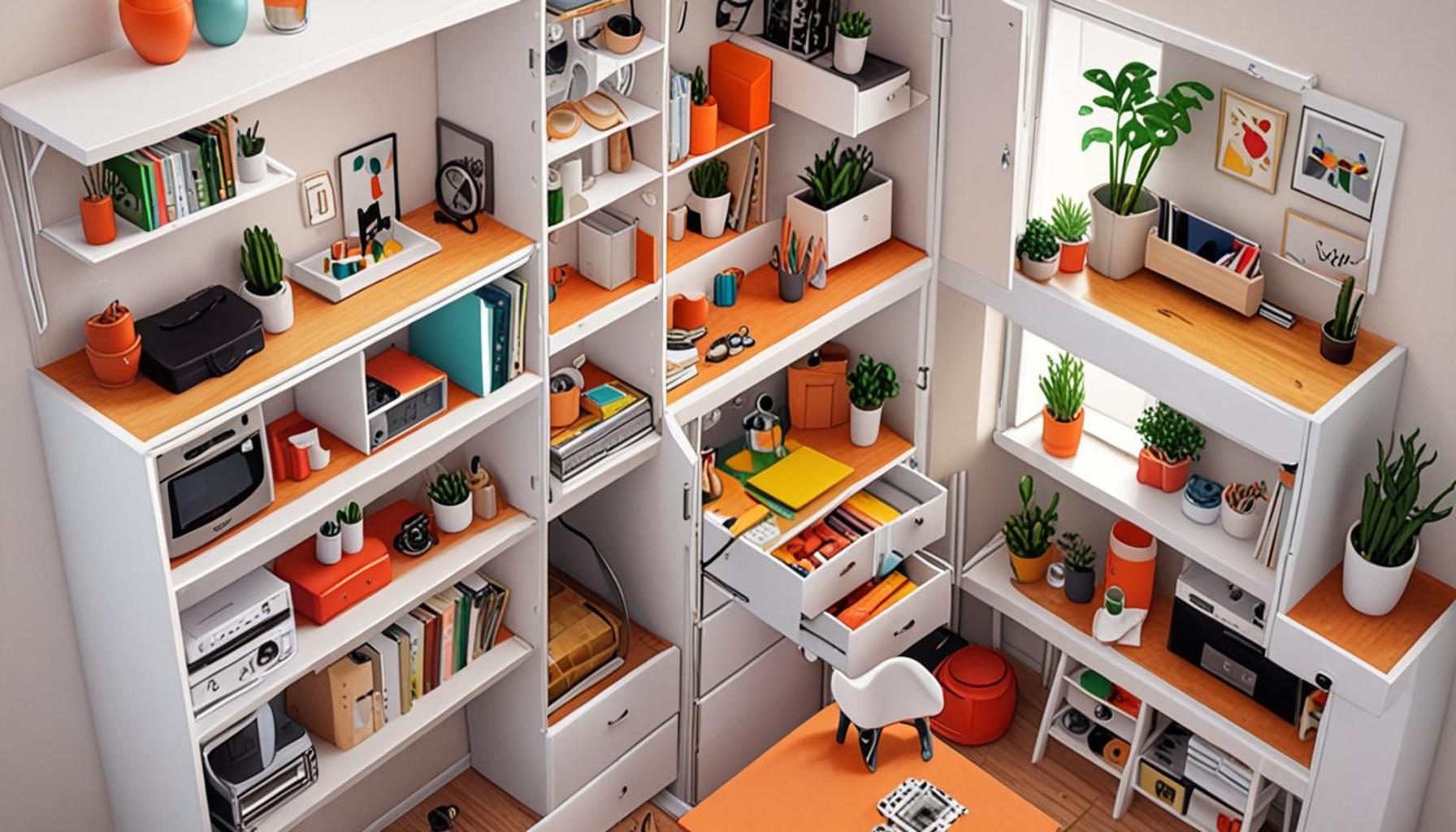
- Smart Storage: Utilizing vertical space and incorporating hidden compartments into furniture can greatly enhance organization. For example, a coffee table with drawers or shelves can store books and magazines, keeping surfaces clear. In smaller kitchens, think about using pegboards or wall-mounted shelves to free up counter space while keeping essential items within reach.
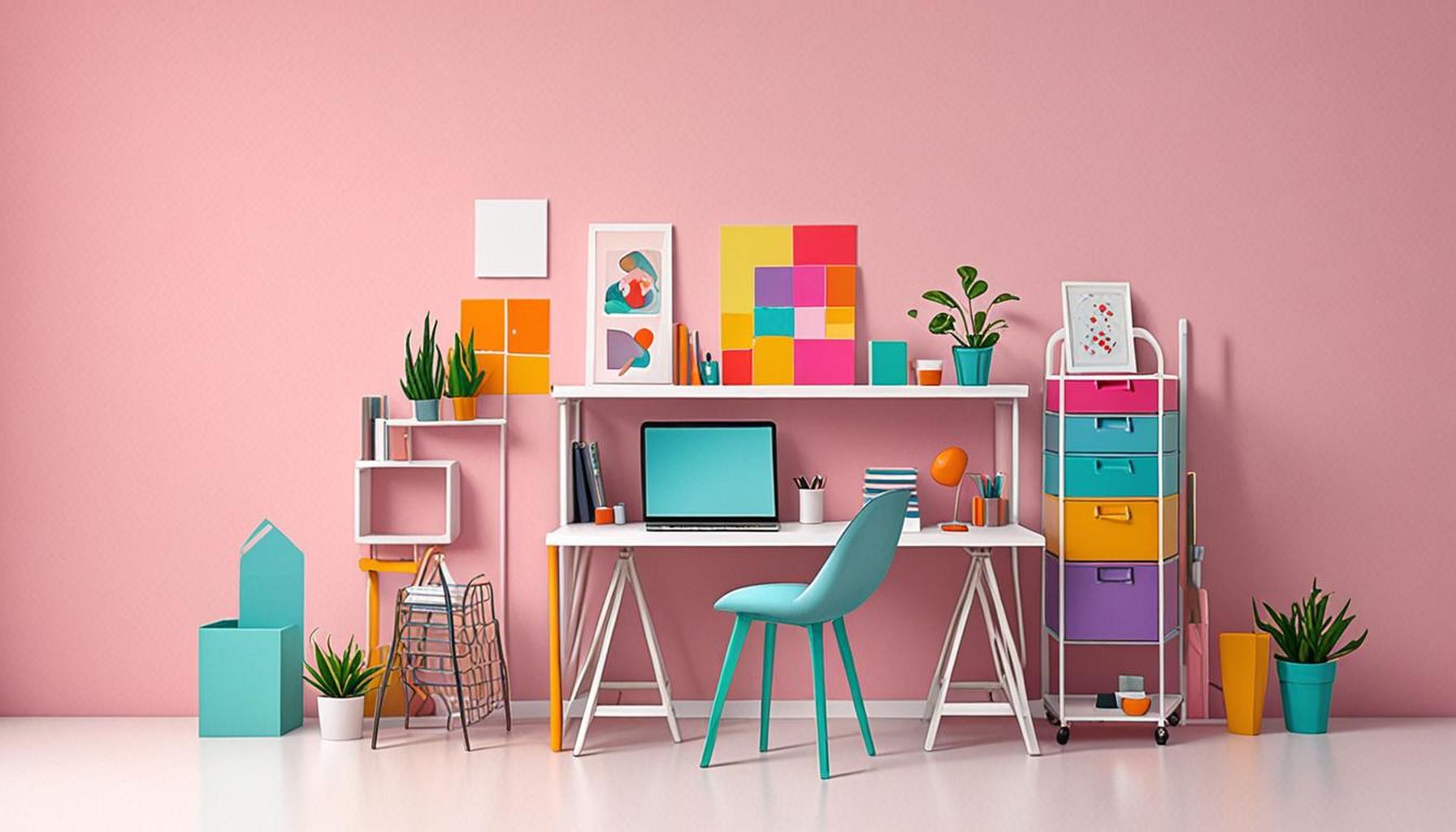
- Dual-Purpose Zones: Creating areas that can function both as a workspace and a leisure space can significantly enhance overall functionality. A corner of your living room can double as a home office with the right desk and chair, while also retaining its cozy atmosphere for relaxation after hours.
Emphasizing the minimalist approach compels us to prioritize what truly matters in our living spaces. This practice not only fosters a sense of calm but can also influence our daily routines positively. Research suggests that minimalism can reduce anxiety and promote higher levels of productivity by creating a less distracting environment.
A Holistic Approach to Living
As you explore the realm of multi-functional living, consider how each choice contributes to a holistic living experience. The integration of design elements that blend form and function leads to a seamless flow throughout your home. By making intentional decisions, every piece of furniture and decor can enhance both utility and aesthetics without compromise.
In conclusion, in a world where space is often limited and lifestyles are diverse, embracing multi-functional design principles is not just a trend but a necessity. Join us on this journey to discover innovative ways to enhance your home while embracing a minimalist ethos. By doing so, you cultivate a living space that adapts to your life’s demands while maintaining a serene, organized environment.
DISCOVER MORE: Click here to find effective strategies
The Importance of Thoughtful Design Choices
In the pursuit of maximizing multi-functional spaces, thoughtful design choices become paramount. Each element in a room should serve a purpose that enhances not only the visual appeal but also the functionality of the area. Designers and homeowners alike are increasingly recognizing that the right combination of furniture, layout, and decor can transform ordinary spaces into extraordinary ones that cater to varying needs.
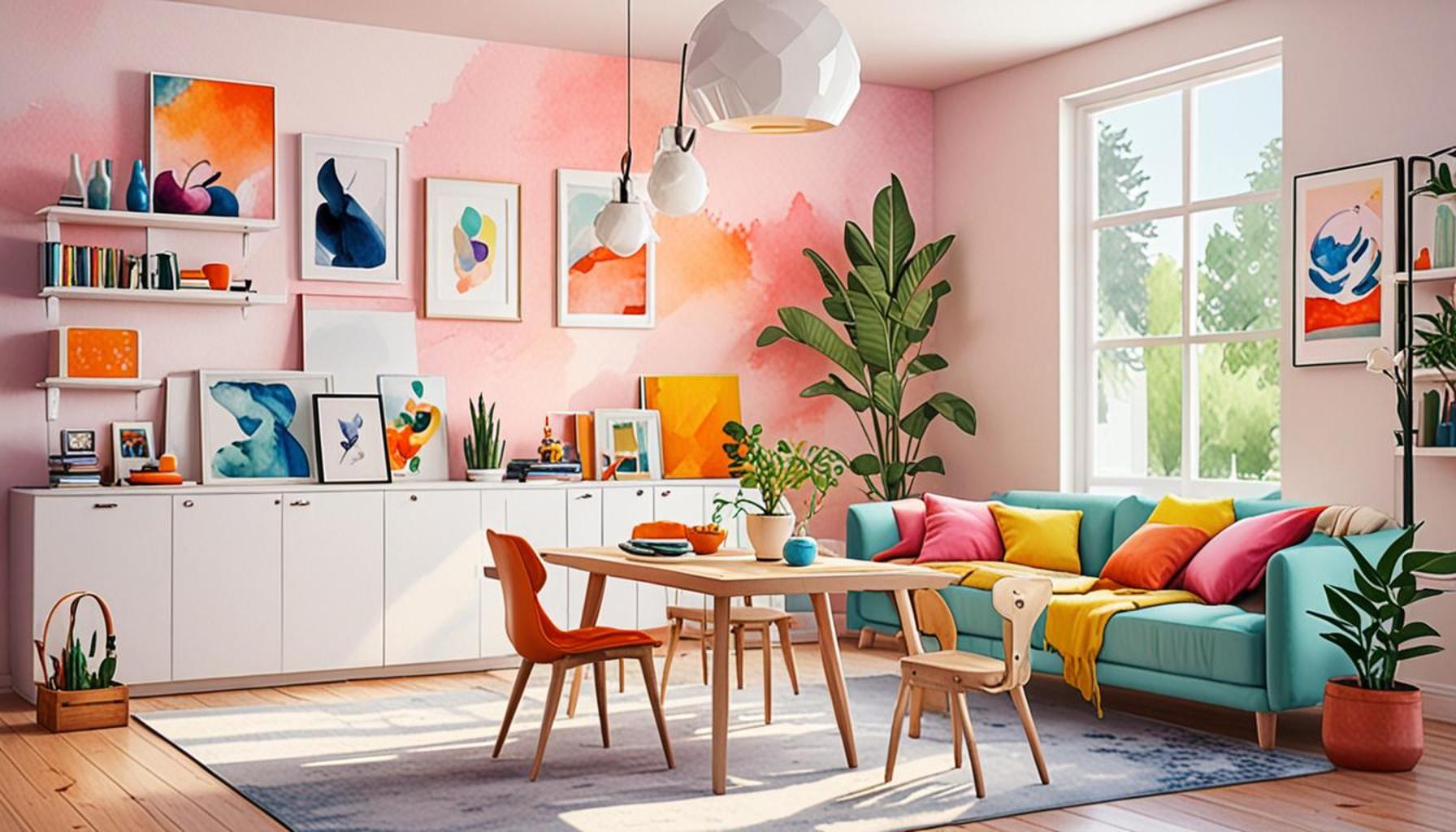
One essential consideration in creating multi-functional spaces is the zone system. This method identifies specific areas within a larger space dedicated to different activities, allowing for a harmonious blend of functionality. For instance, an open-plan living room can seamlessly transition from a space designed for family gatherings to one conducive for remote work or studying. By using rugs or furniture placement to delineate these areas, you establish a sense of purpose and clarity, making the most out of every square foot.
Incorporating Versatile Furniture
One of the most effective strategies in minimalist design is the use of versatile furniture. Here are some prime examples of how this approach can redefine your living experience:
- Nesting Tables: These tables provide flexibility; they can be spread out when entertaining guests or nested together when not in use. This adaptability helps to avoid clutter while providing surface area as needed.
- Murphy Beds: Particularly useful in small apartments, these beds fold up against the wall when not in use, freeing up floor space for other activities, such as yoga or entertaining.
- Ottomans with Storage: Stylish and functional, ottomans can serve as seating, coffee tables, and storage units, making them a valuable asset in any room.
- Convertible Sofas: These innovative pieces allow you to easily transform your living area to suit your needs, whether that means transitioning from a comfortable lounge to a sleeping area for guests.
The incorporation of such furniture pieces not only saves space but also reduces the need for excess items. This aligns perfectly with the minimalist ethos of prioritizing quality over quantity, encouraging individuals to invest in fewer, but more functional, items that enhance their lifestyle.
Mindful Color and Texture Choices
The right palette can further enhance the feeling of spaciousness in multi-functional spaces. Utilizing neutral colors, such as whites, grays, and soft earth tones, can help create a cohesive and serene environment. These hues reflect light beautifully, making spaces appear larger and more inviting. To add visual interest without overwhelming the senses, homeowners should consider integrating a variety of textures through textiles and materials, such as a plush rug, woven blankets, or wooden accents, all of which can add warmth to a minimalist design.
As we delve deeper into the principles of designing multi-functional spaces, it is evident that every decision counts. By prioritizing versatility and simplicity, not only can we construct environments that are aesthetically pleasing, but we can also significantly enhance daily living experiences. In doing so, we take significant strides toward fostering both comfort and functionality, cornerstones of modern, minimalist living.
Creating Functional Living Environments
When it comes to Designing Multi-Functional Spaces, the essence of minimalism lies in its ability to streamline functionality without sacrificing style. By adopting a minimalist philosophy, individuals can transform their living areas into versatile environments that cater to various needs. For instance, a single room can seamlessly transition from a home office to a relaxation area by incorporating convertible furniture such as a sofa bed or a foldable desk. This adaptability not only maximizes space but also promotes a serene atmosphere devoid of clutter.Next, consider the importance of natural light in modern living areas. Large windows or clever lighting solutions can enhance the overall ambiance of a space, making it feel open and welcoming. By embracing a palette of light, neutral colors on walls and furniture, homeowners create a cohesive environment that encourages mindfulness and tranquility. Additionally, using multifunctional furniture—like ottomans with storage or expandable dining tables—can further encapsulate the minimalist lifestyle while ensuring practicality.To delve deeper into effective design choices, it is prudent to explore various materials and textures. Natural elements such as wood, stone, and even plants can introduce an organic feel to your space. By applying these materials thoughtfully, one can achieve not only an aesthetic appeal but also a sustainable living area that reflects personal values. Overall, the principles of multi-functional design not only enhance the utility of living spaces but also foster well-being in our modern homes.
| Category | Description |
|---|---|
| Space Optimization | Utilizes adaptable furniture to enhance usability and reduce clutter. |
| Natural Integrations | Incorporates organic materials and lighting to promote a calming atmosphere. |
DISCOVER MORE: Click here to delve deeper
Strategic Lighting for Enhanced Atmosphere
In the realm of multi-functional spaces, lighting plays a critical role that often transcends its purely functional aspect. The right lighting not only helps to create a welcoming atmosphere but also delineates different areas within a space, enhancing the overall design aesthetic. Embracing a combination of ambient, task, and accent lighting allows homeowners to effortlessly transition from day to night activities, catering to the diverse needs of modern living.
For instance, using dimmer switches provides an easy way to adjust the mood in a room. Bright, warm lighting can inspire productivity during the day, while soft, enveloping tones can create a cozy environment for movie night in the evening. More advanced options, such as smart lighting systems, enable control via smartphone apps, providing the ultimate flexibility to tailor the lighting to specific tasks or events.
Integrating Natural Elements
With the increasing emphasis on sustainability and well-being, integrating natural elements into multi-functional spaces has gained traction. Biophilic design, which focuses on connecting indoor environments with nature, not only enhances aesthetic appeal but also promotes mental well-being. Incorporating indoor plants, natural materials such as wood and stone, or even large windows that invite natural sunlight can create a refreshing atmosphere that balances functionality with tranquility.
Clever plant placement, such as using hanging planters or vertical gardens, frees up floor space while introducing vital green into an otherwise minimalist scene. Additionally, opting for furniture crafted from recycled or sustainably sourced materials can further support a holistic, eco-friendly approach to design. These elements work together to cultivate a soothing vibe, making multi-functional spaces feel less like cold, stark environments and more like comforting retreats.
Tech Solutions for Seamlessness
As technology continues to permeate our daily lives, integrating smart solutions into our living spaces becomes essential for enhancing functionality. The advent of wireless technology enables the seamless incorporation of gadgets without compromising on aesthetics. Wireless charging stations, hidden cables, and built-in speakers can be tastefully integrated to create a clutter-free environment.
Moreover, employing multi-purpose technology, such as a television that doubles as an art display or a projector that can project movies onto any blank wall, not only saves space but also allows for creativity in how we enjoy entertainment within our homes. Smart home systems can centralize control, allowing homeowners to manage everything from temperature to lighting and security features effortlessly, without taking up valuable space or detracting from design.
As we explore the concept of minimalism in modern living areas, it becomes evident that the thoughtful integration of strategic lighting, natural elements, and technological innovations enhances the adaptability of our spaces. Each choice reinforces not just the aesthetic aspects of the design but also serves practical needs, further ensuring that homes transition seamlessly between various roles throughout the day. This strategic approach invites a level of sophistication and comfort that resonates deeply with contemporary lifestyles.
DISCOVER MORE: Click here to enhance your time management skills
Conclusion: The Future of Living is Multi-Functional and Minimalist
In summary, the quest for multi-functional spaces defines the modern approach to interior design as homeowners increasingly embrace minimalism in their living areas. By thoughtfully blending strategic lighting, natural elements, and cutting-edge technology, we can create environments that do not just serve a single purpose but adapt to various needs seamlessly throughout the day. This holistic approach allows us to enjoy spaces that are both functional and aesthetically pleasing, freeing us from the clutter often associated with traditional designs.
Moreover, as sustainability becomes an integral part of lifestyle choices, the incorporation of eco-friendly materials and practices will play a vital role in defining our spaces. The trend towards biophilic design not only enhances the beauty of our homes but also contributes positively to our mental and emotional well-being. Think of your living areas as a canvas, where each element, from ambient lighting to potted plants, works in harmony to cultivate a serene yet vibrant atmosphere.
As we continue to innovate and redefine how we live, the concepts of adaptability and comfort will become paramount in dynamic space design. The challenge lies in balancing style with functionality while remaining conscious of environmental impact. Engaging with these principles will stimulate creativity and encourage individuals to rethink their living spaces, fostering not only a minimalist aesthetic but also enhancing everyday life. As we move forward, the merging of artful design with practical living solutions will undoubtedly shape the future of our homes.