Emotional Decluttering: Techniques to Free Mental Space Through Reducing Possessions and Commitments

Discover the Power of Emotional Decluttering
In today’s fast-paced world, many individuals find themselves overwhelmed by a buildup of unnecessary possessions and commitments. The concept of emotional decluttering has emerged as a vital strategy for reclaiming mental space. By minimizing distractions, you open avenues for clarity and creativity.
Why Emotional Decluttering Matters
- Enhances mental clarity: Reducing clutter allows your mind to focus better. Researchers have shown that a tidy environment can improve concentration and overall cognitive function. People often find that they complete tasks faster and with greater creativity when their surroundings aren’t filled with distractions.
- Promotes emotional wellbeing: A lighter environment can lead to reduced stress and anxiety. A study published in the Journal of Environmental Psychology found that individuals in organized spaces reported lower levels of stress and improved mood. This feeling of wellbeing can translate into better interpersonal relationships and increased life satisfaction.
- Increases productivity: Less physical and mental baggage can enhance your efficiency in daily tasks. In professional settings, for instance, a clutter-free desk is linked to better performance and increased job satisfaction, making it essential for corporate environments.
Imagine waking up each day in a serene space, free from the clutter that weighs you down. Emotional decluttering involves not only simplifying your physical surroundings but also streamlining your commitments. To embark on this transformative journey, consider these techniques:
- Assess your belongings: Keep only what adds value to your life. The popular “Marie Kondo Method” encourages individuals to ask themselves if their belongings spark joy. This profound yet simple inquiry can lead to a more meaningful relationship with your possessions.
- Streamline commitments: Learn to say no to obligations that drain your energy. For many, this may involve stepping back from social events or community engagements that don’t align with personal values or goals. Saying no can lead to more fulfilling experiences and less resentment.
- Practice mindfulness: Engage in meditation or journaling to clear your thoughts. Research indicates that mindfulness practices can reduce stress hormones and promote emotional regulation. Dedicating just a few minutes a day to reflect can create a clearer, more focused mindset.
By exploring these strategies, you can achieve a state of mental freedom that fosters creativity and peace. Not only will these techniques help declutter your physical and emotional space, but they also allow you to focus on what genuinely matters in your life. Join us as we dive deeper into the transformative journey of emotional decluttering. Embrace this opportunity to discover new aspects of your life waiting to be unearthed, and feel empowered to make the changes necessary for a more fulfilling existence.
DIVE DEEPER: Click here to discover how mindfulness can transform your life
Techniques for Effective Emotional Decluttering
Emotional decluttering begins with a conscious effort to reevaluate what you truly need in both your physical environment and your daily life. By implementing a few straightforward techniques, you can create a more balanced and peaceful existence, ultimately allowing your mental space to flourish. Let’s delve deeper into some effective strategies that will help you along this transformational path.
1. Assess and Prioritize Your Belongings
The journey of emotional decluttering often starts with assessing your belongings. Look around your home—are there items that no longer serve a purpose? With each possession, consider whether it enhances your life or if it merely occupies space and energy. The renowned organization expert Marie Kondo suggests a powerful method: ask yourself if each item “sparks joy.” This approach encourages emotional connections with your possessions, allowing you to keep only what is meaningful to you. According to a survey conducted by the National Association of Professional Organizers, 82% of people feel significantly less stressed when their environment is clutter-free. This statistic illustrates the positive effect that an organized environment can have on our mental health.
2. Streamline Your Commitments
Another crucial element of emotional decluttering involves examining your commitments. In our fast-paced society, saying yes to every obligation can quickly lead to overwhelming feelings and emotional burnout. To combat this, practice the art of saying no. Begin by identifying activities that do not align with your values or long-term goals. This might mean stepping back from social events that feel obligatory rather than enjoyable, or perhaps reducing time spent on volunteer commitments that no longer resonate with you. Research from the University of California indicates that 70% of adults struggle to manage their time effectively, often overcommitting in the process. By recognizing your limits, you open space for more enriching experiences and relationships that genuinely fulfill you.
3. Engage in Mindfulness Practices
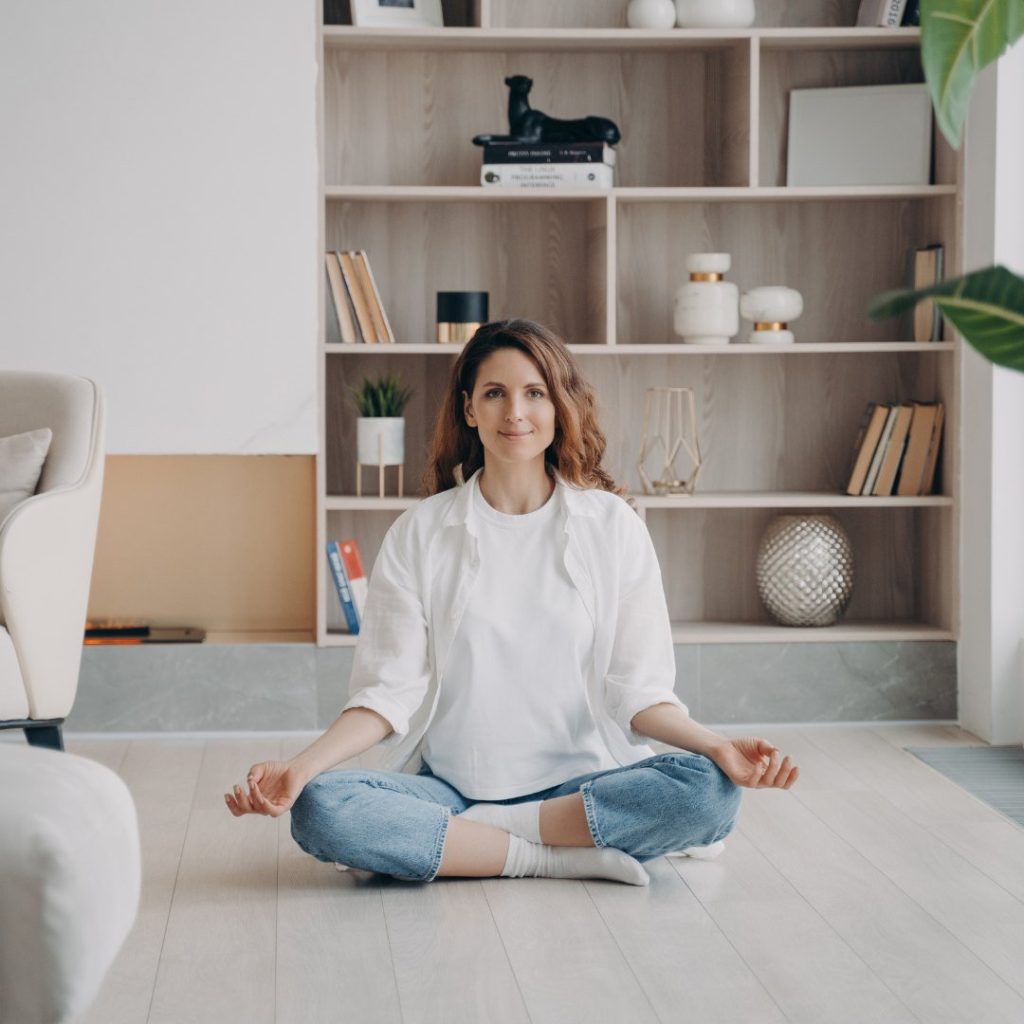
Mindfulness is more than just a buzzword; it plays a significant role in enhancing emotional wellbeing. By committing to a mindfulness practice, such as meditation or journaling, you can clear your thoughts and reduce mental clutter. Studies show that individuals who dedicate just a few minutes each day to practices like these report decreased stress levels and improved emotional regulation. Engaging in mindfulness allows you to confront your thoughts and emotions without judgment, creating a clearer, more focused mindset. This clarity is crucial when embarking on the journey of emotional decluttering, as it establishes a foundation for making deliberate choices about your possessions and commitments.
As you begin to explore these techniques, remember that emotional decluttering is an ongoing process. It is more than just cleaning out your closet or creating a daily calendar; it requires an introspective look at what truly matters in your life. By taking these initial steps, you can discover newfound freedom that fosters creativity, peace, and overall wellbeing. Stay with us as we further explore the transformative benefits of emotional decluttering and how to cultivate a fulfilling life that aligns with your true self.
Emotional decluttering goes beyond simply tidying up your physical space; it also involves reassessing your commitments and emotional investments in various aspects of life. When we hold on to too many obligations, it can become overwhelming and hinder our ability to focus on what truly matters. By learning to say no and prioritizing more meaningful commitments, we can cultivate a sense of freedom and mental clarity. Imagine surrendering the pressure of overcommitting and instead, embracing a life full of intentional choices that resonate with your values.
Another crucial aspect of emotional decluttering is the act of reducing possessions. This can lead to a profound transformation in your mental landscape. By letting go of items that no longer serve a purpose or evoke joy, you create a serene environment that allows your mind to breathe. Consider the psychological weight that clutter can create—each item emotionally ties you to past experiences and memories, which can distract from your present. Adopting a minimalist approach fosters a sense of tranquility, making space for new experiences and ideas.
| Category 1 | Category 2 |
|---|---|
| Mental Clarity | Reducing possessions can lead to improved focus and clarity. |
| Emotional Freedom | Letting go of unnecessary commitments creates space for personal growth and joy. |
The integration of these techniques can be liberating. As you embrace emotional decluttering, you may find that both your mental and physical environments foster creativity and positivity. In achieving this balance, the journey towards emotional well-being becomes notably enriching and profoundly impactful, creating a life more attuned with your authentic self.
DIVE DEEPER: Click here to discover more
Cultivating a Sustainable Mindset for Emotional Decluttering
As you embark on the journey of emotional decluttering, it is essential to cultivate a sustainable mindset that not only promotes ongoing organization but also enhances your emotional resilience. This mental framework will encourage you to maintain decluttering habits over time, ultimately resulting in a cleaner, more gratifying life. Here are several strategies to help you build this mindset.
4. Establish Boundaries with Your Space
Setting clear boundaries within your living and working spaces is fundamental to emotional decluttering. This might involve designating specific areas for particular activities—like a reading nook free from digital distractions or a workspace devoid of personal clutter. According to a study published in the Journal of Environmental Psychology, people who create and respect boundaries within their spaces report higher levels of satisfaction and decreased stress. By redefining zones in your life, you foster a greater sense of control and tranquility, making it easier to focus on what truly matters.
5. Prioritize Self-Care and Downtime
In the pursuit of emotional decluttering, dedicating time to self-care is vital. Engaging in activities solely for your enjoyment, whether it’s reading, painting, or simply taking long walks in nature, allows your mind to decompress. Research suggests that people who regularly schedule downtime experience lower anxiety levels and improved emotional states. Carving out time for yourself acts as a respite from the noise of obligations and expectations, offering a mental cleanse that helps maintain your emotional clarity.
6. Implement the “One In, One Out” Rule
This straightforward yet effective technique can be a game-changer in your emotional decluttering process. The “one in, one out” rule suggests that for every new item you bring into your space—be it a piece of clothing or a new gadget—you must part with something else. This principle encourages mindfulness about purchases and helps prevent the accumulation of unnecessary possessions. According to a survey by Statista, Americans spend an average of $1,700 annually on nonessential items. By practicing this rule, you can take control of your spending habits, ensuring that each new acquisition reflects your values and enhances your life.
7. Declutter Your Digital Life
In today’s technology-driven society, emotional decluttering isn’t limited to physical items. Our digital lives can become overwhelmingly cluttered with countless emails, notifications, and files that create mental strain. Schedule regular “digital declutter” sessions where you unsubscribe from unnecessary emails, delete apps that no longer serve a purpose, and organize digital files into easily navigable folders. In fact, research from the Pew Research Center shows that 36% of Americans feel overwhelmed by the amount of information they encounter online. By streamlining your digital environment, you can significantly lessen cognitive load, allowing for enhanced focus and creativity.
As you continue to implement these emotional decluttering techniques, remember that the goal is to cultivate a lifestyle that consistently supports your well-being. The path to emotional clarity may have its challenges, but each step taken to lessen the burden of possessions and commitments signifies a move towards a more fulfilling and joyful existence. With persistence and intention, the benefits of emotional decluttering extend well beyond your immediate surroundings, shaping a balanced life guided by purpose and peace.
DISCOVER MORE: Click here to dive deeper
Conclusion: Embracing the Freedom of Emotional Decluttering
In a world where the pace of life often feels overwhelming, emotional decluttering emerges as a powerful avenue to reclaim mental clarity and enhance overall well-being. By reducing physical possessions and commitments, we can create a space ripe for mindfulness and reflection. The techniques discussed—such as establishing boundaries, prioritizing self-care, adhering to the “one in, one out” rule, and decluttering our digital lives—serve not only to simplify our surroundings but also to elevate our emotional health.
As you progress on your decluttering journey, consider the broader implications of creating a life that prioritizes quality over quantity. Each item you maintain should align with your values and aspirations, resulting in a more intentional and meaningful existence. Moreover, fostering a sustainable mindset allows you to navigate future challenges with resilience and purpose.
Research continually highlights the psychological benefits associated with decluttering, contributing to reduced anxiety and improved focus. Take the time to explore these strategies, and witness the transformation in your daily life. After all, the joy of emotional decluttering does not solely lie in a neat space; it resides in the newfound freedom and clarity to engage with life’s most important treasures—relationships, passions, and personal growth. So, embark on this liberating adventure and embrace the opportunities for creativity and connection that await you.