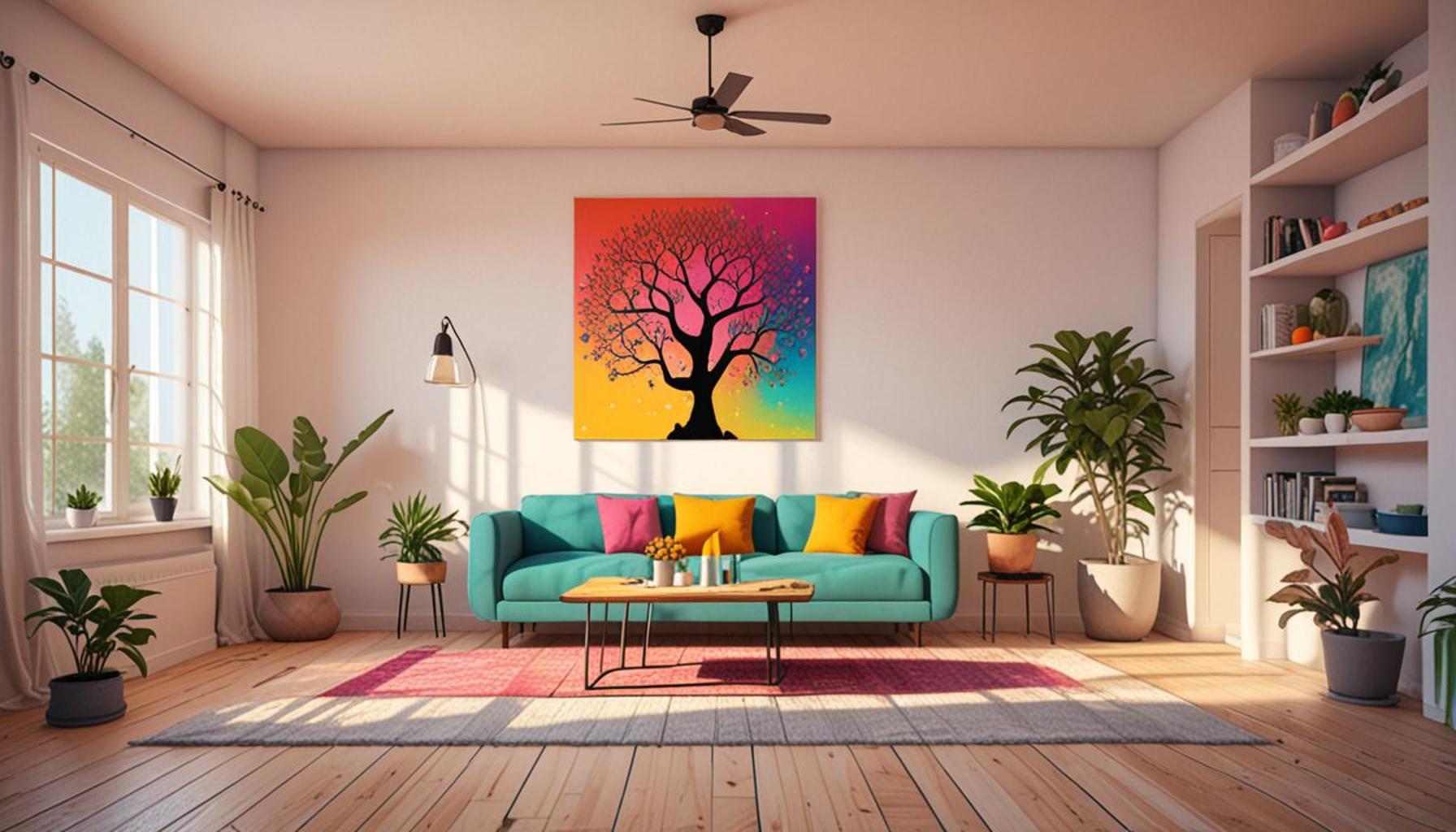
How mindfulness can help in organizing personal space

A Deep Dive into Mindfulness and Personal Space Organization
In our fast-paced modern society, where multitasking has become the norm, finding peace often feels like an insurmountable challenge. Mindfulness, however, serves as a beacon of hope, guiding us towards a more intentional existence. By grounding ourselves in the present moment, we can not only cultivate mental clarity but also create serene and organized personal spaces that reflect our inner tranquility.
When it comes to organizing our personal spaces, incorporating mindfulness can lead to transformative changes that extend beyond mere aesthetics. Here’s how:
- Increased Awareness: Mindfulness starts with recognizing what we possess. By practicing awareness, we can evaluate each item in our homes—not just its utility, but also the memories and emotions tied to it. For instance, an old baseball glove might evoke childhood nostalgia while a stack of unread books could symbolize unfulfilled aspirations. This conscious evaluation helps prioritize what truly enhances our lives.
- Intentional Decision-Making: Engaging with our environment purposefully leads to better decisions regarding décor and organization. Rather than impulsively buying new items, mindfulness encourages us to ask questions such as, “Does this piece serve a functional purpose?” or “How does this make me feel?” A minimalist approach, popularized by figures like Marie Kondo, aligns perfectly with this mindset, emphasizing the importance of selecting items that “spark joy.”
- Emotional Clarity: Our attachment to certain belongings can often cloud our judgment when it comes to decluttering. Mindfulness equips us with the tools needed to assess these emotions and gain clarity. For example, letting go of a dress we haven’t worn in years might be difficult, but recognizing it as part of a past phase allows us to release it with grace, freeing up physical and emotional space.
Research supports the idea that maintaining a clutter-free environment positively impacts mental health. Studies suggest that clutter can increase cortisol levels, contributing to feelings of anxiety. In contrast, organized, minimalist environments can promote relaxation and focus, enabling us to be more productive. By cultivating mindfulness in our spaces, we not only enhance our surroundings but also empower ourselves to navigate daily challenges with greater ease.
As we embark on a journey of mindfulness in personal space organization, practical strategies will be essential. Start small, taking time to reflect as you sort through belongings. Remember, this process might not happen overnight; however, the benefits—ranging from reduced stress to heightened self-awareness—are undoubtedly worthwhile.
Join us in exploring how mindfulness can revolutionize your personal space, transforming it into a sanctuary that mirrors your inner serenity. With every mindful choice made about your environment, you are one step closer to achieving a harmonious balance between your internal and external worlds.
DISCOVER MORE: Click here for insights on finding time in a connected world
Harnessing Mindfulness to Transform Your Environment
Engaging with our living spaces through the lens of mindfulness offers a unique approach to the often overwhelming task of organizing. By adopting a mindful mindset, we can delve deeper into how our surroundings affect our mental well-being and daily experiences. Here, we outline specific ways that mindfulness can facilitate a more purposeful organization of personal space, ultimately leading to a more peaceful and harmonious environment.
Active Engagement with Our Surroundings: Mindfulness encourages us to engage actively with our personal space. This means not just glancing at our clutter but truly noticing every corner of our homes. By taking the time to evaluate each item, we can reflect on its significance in our lives. Ask yourself: “Does this object serve a purpose?” or “What emotions does this evoke?” Such questions can lead to profound realizations about what you actually need around you, helping to distinguish between necessities and mere distractions. To cultivate this awareness, consider spending a few minutes each day in a specific room, observing your surroundings without judgment. This practice can uncover surprising insights that guide your decluttering efforts.
- Setting Clear Intentions: Before commencing the organization process, it is beneficial to set clear intentions. What do you wish to achieve with your space? Is it a quiet retreat for meditation, a lively area for family gatherings, or perhaps a productivity-focused workspace? Having a clear vision can shape the decisions you make about what to keep or let go, ensuring your space aligns with your desired lifestyle.
- Practicing Gratitude: Mindfulness is deeply rooted in gratitude. As we sort through our belongings, taking a moment to express gratitude for the items we choose to keep can enhance emotional resilience. This act not only reinforces our connection to those objects but also reduces the guilt often associated with letting go of items. A simple acknowledgment of the joy or utility an item has provided can transform the decluttering process into a positive experience.
- Creating Rituals: Establishing rituals surrounding your organization process infuses a sense of mindfulness into the task. Whether it’s playing calming music, lighting a candle, or simply taking a deep breath before diving into sorting, these small practices can help center your thoughts and emotions, ensuring that the process remains focused and meaningful.
By incorporating these mindful practices into the organization of our personal spaces, we pave the way for a serene environment that nourishes our well-being. Research indicates that people who maintain an organized space experience lower levels of stress and increased feelings of control. This runs counter to the notion that clutter is merely a nuisance; it can be a significant contributor to anxiety and distraction in our day-to-day lives. Therefore, fostering mindfulness not only aids in physical organization but also contributes to cultivating a mental state that is conducive to clarity and creativity.
With a mindful approach, each step taken towards organizing our personal spaces becomes an opportunity for deeper self-discovery. As we delve into this journey of transformation, let us explore further how mindfulness can be seamlessly woven into our daily lives, enhancing our surroundings and, in turn, our inner peace.
| Mindful Decluttering | Reduces Mental Clutter |
|---|---|
| Clarity and Organization | Mindfulness encourages assessing what truly adds value to your space. |
| Practice Gratitude | Appreciating your belongings fosters a more meaningful connection with your possessions. |
Another essential aspect of organizing personal space through mindfulness is the practice of mindful decluttering. This process goes beyond merely discarding items; it is about understanding the role each possession plays in your life. When you engage in mindful decluttering, you not only streamline your environment but also open up the mental space associated with those items. This leads to improved clarity and organization, as you learn to differentiate between what is necessary and what may simply be a source of unnecessary stress.In addition, practicing gratitude while organizing your space can profoundly impact how you interact with your surroundings. This perspective allows you to appreciate the items you have, transforming a mundane task into an opportunity for reflection. By focusing on the positive aspects of your belongings, you cultivate a sense of connection that can enhance your daily living experience. This shift in mindset also helps to maintain a more organized space, as you are more likely to care for and tend to items that hold meaning for you. Thus, mindfulness not only promotes physical organization but also nurtures emotional well-being in your personal environment.
DISCOVER MORE: Click here for insights on simplifying your life
The Connection Between Mindfulness and a Functional Space
As we explore the intersection of mindfulness and organization, it’s vital to recognize the role of our mental states and environments in shaping our productivity and peace of mind. Mindfulness teaches us that our environments are extensions of ourselves, and by acknowledging this relationship, we can create spaces that not only function effectively but also nourish our spirit.
Mindful Minimalism: One approach that complements mindfulness is minimalism—the art of reducing clutter and prioritizing essential items. By adopting a mindful minimalist philosophy, individuals can gain clarity on what truly matters in their lives. This doesn’t merely mean owning fewer possessions, but rather curating a collection of items that adds value and joy. Studies show that people who embrace minimalism often report increased focus and decreased anxiety. To implement this, consider dedicating a weekend to reevaluating your possessions. As you go through each item, ask yourself: “Does this inspire joy?” or “Is this necessary for my daily life?” This process encourages intentionality, resulting in a more organized space aligned with your values.
- Visualizing Space Allocation: Visualizations can serve as powerful tools in your organizational quest. Take time to mentally picture how you want each area of your space to be utilized. Do you envision a reading nook bathed in natural light, or a kitchen organized for efficiency? Visualization can enhance decision-making, allowing you to identify where items belong and ensuring that everything has its rightful place. Consider sketching a layout or utilizing digital apps to help you map out your ideal spaces, thus reinforcing your mindfulness practice.
- Scheduling Regular Mindful Check-ins: Just as we maintain our physical health through regular check-ups, our environments also benefit from periodic assessments. Schedule monthly or quarterly mindful check-ins, dedicated solely to evaluating and reorganizing your space. During these sessions, practice focused breathing to clear your mind and encourage clarity as you reflect on changes that might be necessary. This consistency promotes an ongoing dialogue between you and your space, ensuring that it evolves in tandem with your needs.
- The Role of Color and Aesthetics: Mindfulness doesn’t stop at organization; it extends to the aesthetics of your space. Colors have the power to influence mood, so being intentional about the hues and decor you choose can significantly affect your overall well-being. For example, studies indicate that blue shades promote calmness and can reduce tension, while yellows often evoke happiness and energy. When organizing, integrate colors and design elements that resonate with your emotional goals, turning your surroundings into an uplifting sanctuary.
Exploring the ethos of mindfulness in our personal spaces encourages a holistic approach to organization. Recognizing the connection between our mental states and the physical environments we inhabit empowers us to make thoughtful decisions that not only streamline our belongings but also nurture our well-being. As we embrace this mindfulness journey, we cultivate environments that reflect our true selves—spaces that inspire creativity, enhance functionality, and ultimately contribute to a more harmonious life.
By weaving these principles into the fabric of our daily routines, we unlock the potential for a more organized and fulfilling existence. Understanding that mindfulness is not merely an exercise but a lifestyle shift can open doors to newfound peace and clarity within our personal spaces.
DISCOVER MORE: Click here to unlock stress-reducing strategies
Conclusion: Embracing Mindfulness for Organizational Harmony
In conclusion, mindfulness offers a transformative approach to organizing personal space that goes beyond mere tidiness. By cultivating awareness and intentionality in our environments, we create spaces that reflect our inner values and support our well-being. The process of mindful minimalism encourages individuals to reflect on what truly enriches their lives, leading to strategic reductions in clutter that foster clarity and focus.
Moreover, visualizing the arrangement of our spaces empowers us to design functional environments that enhance creativity and productivity. Implementing routine check-ins serves as a vital practice that helps us maintain a continuous dialogue with our surroundings, ensuring they evolve alongside our changing needs. Incorporating color and aesthetic choices that resonate with our emotional aspirations further deepens the connection between our physical space and mental state.
As we make a conscious effort to incorporate mindfulness into our organizational habits, we unlock the potential for not only a more orderly environment but also a life rich with purpose and satisfaction. Consider this: how often do we overlook the impact of our spaces on our well-being? Mindfulness invites us to stay present in the moment, leading us to explore and appreciate the small nuances within our homes and offices. Ultimately, the practice of mindfulness in organizing our personal space is not just about achieving cleanliness; it is about fostering an environment that nourishes our soul and supports our journey toward a more balanced, harmonious life.