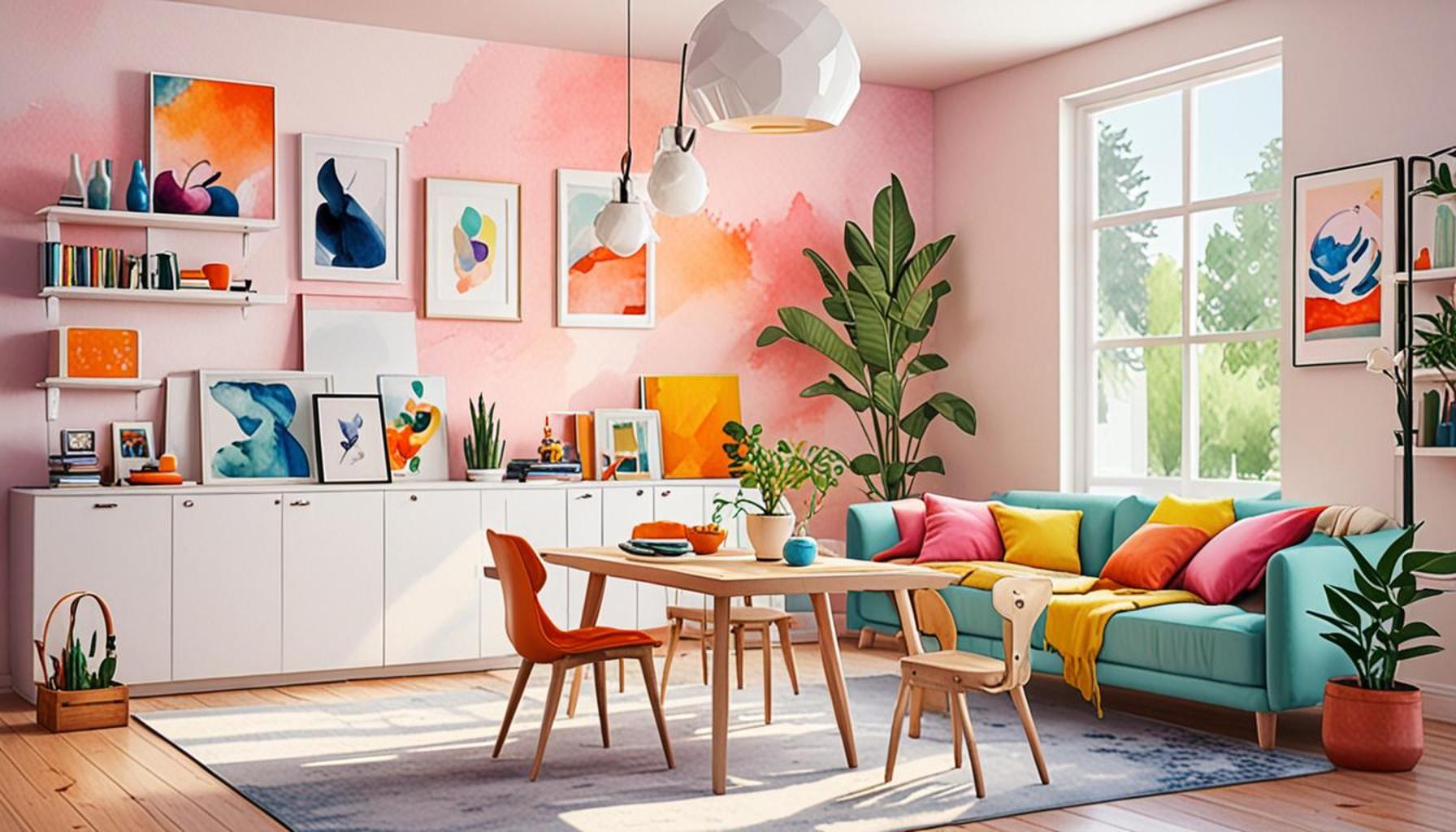
Innovative Furniture Design: How Minimalism and Space Optimization Can Transform Small Living Areas
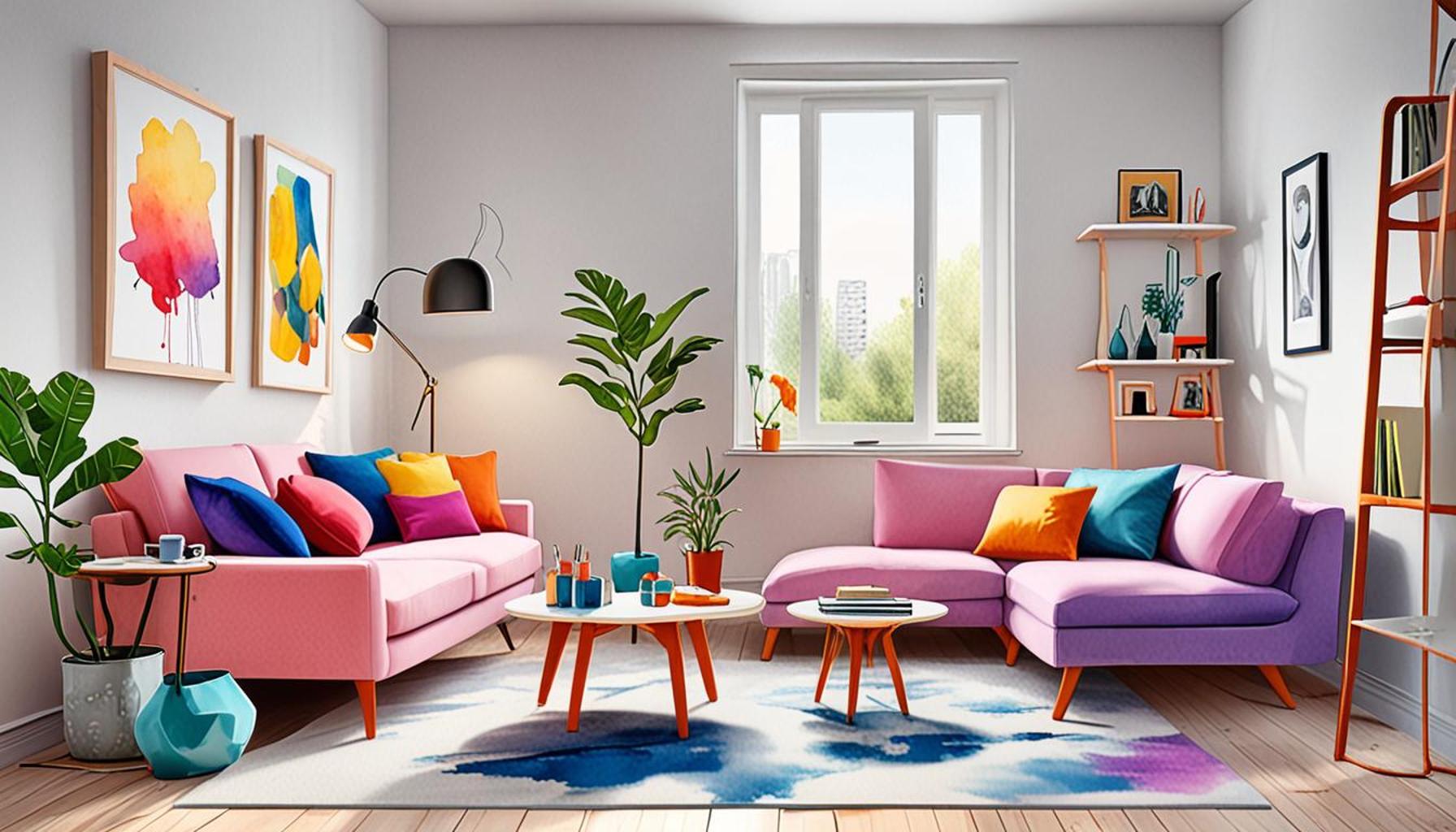
Innovative Solutions for Maximizing Small Living Spaces
Living in an urban environment often means contending with smaller living spaces. As cities become increasingly crowded, finding ways to maximize functionality without sacrificing style has become a priority for many homeowners and renters alike. The evolution of innovative furniture design is paving the way for a new era of minimalism and space optimization, where every piece of furniture serves a purpose beyond its conventional role.
One of the most popular trends in transforming small spaces is the use of multi-functional pieces. Items such as sofa beds not only provide a comfortable place to sit but can quickly convert into a sleeping area for guests. Similarly, storage ottomans can serve as both seating and hidden storage, allowing individuals to stow away blankets, books, or toys while maintaining a clutter-free environment. An example of this can be seen with brands like IKEA, which emphasize versatile furniture designed for compact living.
Additionally, vertical space use has become crucial in maximizing limited floor area. By opting for shelves and cabinets that extend upwards, residents can utilize the space above while freeing up valuable square footage below. Wall-mounted shelving units or tall bookcases are exemplary solutions that not only provide storage but also act as decorative features, making the space feel larger and more inviting.
Modularity is another innovative trend gaining traction, allowing for customizable and adaptable furniture arrangements suited to one’s specific needs. For instance, modular couches offer flexibility since pieces can be reconfigured depending on the occasion, be it a cozy movie night or a lively gathering with friends. This adaptability caters to a range of lifestyles and ensures the furniture can grow and change with its owner’s needs.
Moreover, the essence of minimalist design cannot be overlooked. With clean lines and an uncluttered look, minimalist furniture creates a soothing aesthetic that can make a small area feel more spacious. It promotes a streamlined approach to furnishings and decor, such as opting for a sleek dining table that can be extended when needed but remains unobtrusive in its compact form. This design philosophy aligns with the increasing demand for efficient small living solutions, reported to have surged by over 30% in urban areas across the United States, indicating a growing awareness of the need for well-designed, practical living spaces.
As we delve into the realm of innovative furniture design, it becomes evident how these elements combine to craft inviting, functional, and organized environments. The rise of minimalism is a direct response to the modern challenge of limited space, encouraging a lifestyle where every inch counts. The exploration of these innovations could lead to smarter living environments that enhance individual experiences while promoting sustainability in urban living.
DISCOVER MORE: Click here to learn effective strategies
Smart Furniture Choices for Compact Living
In the quest for 더효율적인 사용하다 of small living areas, selecting the right furniture is crucial. Innovative furniture design offers numerous smart solutions aimed at creating a harmonious balance between functionality and aesthetics. When living in a confined space, homeowners often face the challenge of not just fitting their essentials but also curating an environment that reflects their personal style without feeling overcrowded.
One of the most intriguing aspects of modern furniture design is the concept of transformative furniture. This type of furniture adapts to various functions without compromising on style. A prime example is a dining table that can easily convert into a workspace or a coffee table that elevates to accommodate dining needs. These multifunctional pieces exemplify how innovative designs can be seamlessly integrated into compact living areas, solving the problem of limited surface area.
- Foldable Furniture: Think of wall beds, collapsible desks, and nesting tables. These designs allow for efficient storage when items are not in use, granting additional space for daily activities.
- Hidden Storage Solutions: Furniture that conceals storage, such as beds with drawers underneath or side tables with compartments, can help minimize clutter, promoting a serene living environment.
- Transforming Sofas: Sofas that convert into beds are a lifesaver in small studios, providing comfort during the day and additional sleeping space at night.
Another fundamental principle of innovative furniture design is eco-friendliness. As urban living gains popularity, so does the emphasis on sustainability in home design. Many furniture brands are opting for materials that are not only durable but also environmentally friendly. This includes bamboo, reclaimed wood, and recycled materials. In addition, brands such as West Elm and Article are at the forefront of this movement, delivering pieces that are stylish and mindful of their environmental impact.
Moreover, the integration of technology into furniture design offers a new frontier for enhancing small living areas. Smart furniture equipped with charging ports, built-in speakers, or even smart home integration allows residents to maximize their living experience without adding more physical items. For example, coffee tables that include wireless charging pads eliminate the clutter of cords while maintaining a sleek appearance.
As innovations abound, it is important to focus on an essential aspect of small space living: the visual perception of the area. Color schemes, textures, and lighting play significant roles in how spacious a home feels. Lighter colors can create an airy and open ambiance, while strategically placed mirrors can reflect light and visually expand the space. Furniture designs that use transparent materials, such as acrylic or glass, can also enhance the sense of openness, allowing for an unobtrusive look that is both modern and timeless.
Embracing innovative furniture design not only solves the practical needs of small living areas but also fosters a unique expression of personal style. As homeowners seek to live more harmoniously within their limited spaces, these design solutions offer new possibilities that challenge traditional notions of what furniture should be. By thoughtfully selecting pieces that optimize space while exuding character, it’s possible to transform even the coziest of homes into stylish, functional retreats.
| Advantages | Details |
|---|---|
| Space Utilization | Innovative furniture designs often include multifunctional pieces that enhance the usability of smaller areas. |
| Visual Clarity | Minimalism promotes a clean aesthetic, contributing to a serene environment, which is vital in limited spaces. |
| Flexibility | Modular and adaptable furniture allows homeowners to effortlessly transform their space to suit their needs. |
| Cost-Effectiveness | Investing in multifunctional furniture pieces often reduces the need for multiple individual items, saving both money and space. |
In small living areas, the transformation towards minimalism and effective space optimization can open up a myriad of possibilities. As urban living continues to present challenges related to space, innovative furniture design emerges as a viable solution. Consider how integrated storage options, like beds with drawers or ottomans doubling as storage units, can significantly declutter an area while serving multiple functions. Moreover, the sleek lines and neutral palettes characteristic of minimalist design can create a sense of openness, drawing the eye to the overall space rather than specific clutter. As technology advances, new materials and designs continue to evolve, promoting better functionality without compromising style. As you explore these designs, you’ll discover that minimalist furniture plays a pivotal role in crafting the perfect small living area.
DISCOVER MORE: Click here to enhance your productivity
Ergonomics and Sustainability in Design
As the demands of modern living continue to evolve, the focus has shifted not only to aesthetics and functionality but also to ergonomics in furniture design. Ergonomically designed furniture ensures comfort and promotes well-being, which is essential for those spending considerable time in small spaces. For instance, adjustable chairs and height-convertible desks cater to individuals working from home, encouraging better posture and productivity without compromising space. These intelligent design choices enable residents to engage with their living areas in a functional yet comfortable manner.
Incorporating sustainable practices is another key trend, especially as consumers become more educated about the environmental implications of their choices. Sustainable furniture is crafted from renewable resources, minimizing the carbon footprint associated with production. Brands such as IKEA have introduced lines that prioritize sustainability, using materials derived from responsibly managed forests to create stylish options that align with eco-conscious values. Additionally, minimalist design promotes longevity, encouraging users to invest in fewer, higher-quality pieces rather than a multitude of disposable items.
Customizable Modular Systems
The rise of modular furniture systems has revolutionized the way we approach space in small homes. These adaptable solutions allow individuals to mix and match components to fit their unique needs and styles. A prime example is modular sofas, which can be reconfigured to suit various seating arrangements, making them ideal for entertaining or simply relaxing. This customization is not merely about aesthetics; it maximizes the usability of every square inch, ensuring that each piece can serve multiple purposes, whether as a guest seat, a storage unit, or a stylish accent.
Furthermore, modern modular designs often embrace a scalable approach that allows homeowners to expand their furniture collections over time. As families grow or shifting needs arise, individuals can seamlessly add pieces without overhauling their existing setups. This flexibility aligns perfectly with the principle of *space optimization*, allowing for an evolving living environment that reflects transitions in lifestyle and taste.
Innovative Market Solutions
The American market has seen a surge of innovative brands and startups focused on transforming the way people interact with their homes. With the millennial and Gen Z generations leaning towards urban living, solutions that prioritize space-saving designs are in high demand. For example, companies like Burrow and Floyd offer modular furniture that can be easily assembled and disassembled, catering to the needs of transient urbanites. Their products are designed not just for style but for functionality, employing lightweight materials and clever engineering methods that allow for easy transport and setup.
The Role of Technology
The integration of technology into furniture design is paving the way for smart living solutions that align with the ethos of modern minimalism. Devices such as smart coffee tables equipped with Bluetooth connectivity and integrated speakers create multifunctional focal points within small areas. Moreover, technologically advanced materials are making furniture more versatile. For instance, fabrics with stain-resistant and antibacterial properties contribute to healthier living environments, a must-have in smaller spaces where cleanliness is paramount.
As the trajectory of furniture design continues to progress, innovative strategies such as ergonomics, sustainability, modular systems, and technology promise to elevate the living experience in small spaces. Each of these elements encourages not only practicality but also a thoughtful approach to personal expression within confined environments, proving that living small does not require sacrificing style or comfort. Innovative furniture design is truly a catalyst for making small living areas not just functional, but a reflection of individual creativity and contemporary lifestyle choices.
DIVE DEEPER: Click here to discover more strategies
Conclusion
In a world where urban living often means adapting to smaller living spaces, innovative furniture design emerges as a key player in transforming these environments into comfortable and stylish sanctuaries. By embracing principles of minimalism and space optimization, designers are crafting solutions that not only maximize utility but also enhance aesthetic appeal. The rise of modular systems offers unparalleled flexibility, allowing homeowners to personalize their spaces in ways that suit their evolving needs.
Sustainability and ergonomics stand at the forefront, addressing the growing consumer demand for eco-friendly products that promote well-being. As more brands prioritize responsibly sourced materials and functional comfort, individuals can create small homes that reflect their values without sacrificing quality or style. Furthermore, the integration of technology into furniture design opens new avenues for multifunctional pieces, thereby redefining the limits of small living.
Ultimately, the fusion of these elements signifies a shift in how we perceive space. Small areas no longer symbolize restrictions but rather opportunities for creative expression. As innovative designs continue to evolve, they provide homeowners with the tools needed to turn compact spaces into vibrant, personalized havens. Thus, those navigating the challenges of small living can find not only solutions but inspiration in the realm of contemporary furniture design, proving that even the modestly sized can be grand in both style and functionality.