Maximizing Space in Small Environments: Minimalist Organization Strategies
Understanding Minimalist Organization
As modern lifestyles often require us to inhabit smaller homes and apartments, the philosophy of minimalist organization has gained prominence. This approach encourages individuals and families to streamline their living spaces, focusing on the essentials and making room for what truly matters. Embracing minimalism is not just about being frugal; it is also about cultivating an environment that fosters tranquility and productivity.
Incorporating a minimalist mindset begins with recognizing the enhanced clarity that accompanies a decluttered home. Studies have shown that a tidy environment can lead to improved focus and reduced stress levels. For example, the University of California, Los Angeles (UCLA) conducted research indicating that physical clutter can significantly raise cortisol levels, a stress hormone. By reducing clutter, one can create a sanctuary conducive to relaxation and mindfulness.
Moreover, minimalist organization leads to increased functionality. When space is utilized efficiently, every corner of a home can serve a purpose. In a small apartment, consider investing in multifunctional furniture such as a sofa bed or an ottoman with hidden storage. These innovations allow you to maximize limited square footage while ensuring that your home remains stylish and inviting. Additionally, wall-mounted shelves can free up valuable floor space, allowing for decorative accents that add personal flair without overwhelming the area.
Another considerable advantage of embracing a minimalist approach is the potential for cost savings. By prioritizing quality over quantity and avoiding unnecessary purchases, homeowners can reduce expenses and focus on acquiring items that truly align with their lifestyle and values. This economic shift not only supports a more sustainable way of living but also cultivates a greater appreciation for the items one does choose to keep.
Practical Tips for Embracing Minimalism
Transitioning to a minimalist lifestyle may seem daunting, but practical strategies can facilitate this process. Start small by decluttering one area at a time. The KonMari method, popularized by Marie Kondo, recommends assessing each item based on its ability to “spark joy.” By thoughtfully considering what remains in your home, you can curate a living space that resonates with your personal aesthetics.
Additionally, organizing tools and storage solutions play a pivotal role in this transformation. Using drawer dividers and storage bins helps maintain order within spaces that are prone to chaos. For instance, clear containers can allow you to see what’s inside, minimizing the chances of accumulating duplicates.
Ultimately, the transition to a minimalist lifestyle is about more than just organizing; it’s an opportunity to create a home that reflects who you are and enables you to thrive in a challenging world of spatial limitations. By adopting this philosophy, you can turn your limited space into a spacious sanctuary, resonating with comfort, style, and functionality.
DISCOVER MORE: Click here to delve deeper
Effective Space Management Techniques
Achieving a sense of organization and airy openness in smaller environments is often a challenge, making effective space management techniques invaluable. These strategies not only transform your surroundings but also encourage mental clarity, ultimately boosting productivity. One foundational principle of minimalist organization is the one-in, one-out rule. This straightforward directive maintains that for every new item introduced to your space, an existing item should be removed. This approach significantly reduces clutter, helping to create a manageable and harmonious living environment.
To begin your journey toward enhanced organization, consider employing the Four-Box Method for sorting belongings. This method requires labeling four boxes as “keep,” “donate,” “sell,” and “trash.” By categorizing your items in this way, you simplify the decision-making process, allowing you to determine which belongings genuinely deserve a place in your home. By focusing on one room at a time, you not only aim to minimize the quantity of your belongings but also enhance the functionality of the space you inhabit.
Innovative Storage Solutions
Maximizing the use of innovative storage solutions is crucial to minimalist organization. One effective strategy for smaller areas is the adoption of vertical storage options. Wall-mounted shelves and pegboards can create additional storage without consuming valuable floor space. These solutions provide a stylish and easy way to showcase decorative items or organize essential tools and supplies. Furthermore, utilizing under-bed storage can significantly improve efficiency. Various storage bins designed to fit snugly beneath beds can house off-season clothing, shoes, or extra linens, keeping them conveniently accessible yet neatly hidden away.
Here are some additional innovative storage solutions that can elevate your minimalist approach:
- Furniture with Built-in Storage: Look for ottomans, coffee tables, or beds that offer hidden compartments, serving dual functions and saving precious space.
- Vertical Garden Systems: For plant enthusiasts, consider vertical planters that utilize your wall space for gardening while freeing up floor areas for other uses.
- Magnetic Strips: Employ magnetic strips in your kitchen or office to organize tools and supplies efficiently, keeping your countertops clear and maintaining easy access to essentials.
- Clear Storage Solutions: Investing in transparent storage bins allows you to quickly view contents, simplifying organization and minimizing duplicate purchases.
Incorporating these innovative storage solutions not only improves your home’s organization but also allows you to express your personality through curated decor choices. A minimalist approach, combined with thoughtful storage strategies, can dramatically enhance both the aesthetic appeal and functionality of your small living space.
As you explore these effective techniques and storage ideas, remember that the overall goal is not merely to declutter but rather to create a sanctuary that reflects your lifestyle preferences and needs. This investment in your space can lead to a more peaceful, productive, and enjoyable living environment.
| Advantages | Description |
|---|---|
| Enhanced Functionality | By implementing minimalist organization strategies, small spaces can be turned into multi-functional areas. This shift enhances the overall use of the environment. |
| Visual Clarity | A clean and organized space promotes mental clarity. Less clutter can lead to reduced stress and a more focused mind, making small environments feel larger and more inviting. |
Small environments often present unique challenges when it comes to organization. However, embracing a minimalist approach can transform these spaces into functional and aesthetically pleasing areas. For instance, utilizing vertical storage solutions can free up precious floor space while keeping your essentials within reach. Moreover, investing in furniture that serves dual purposes, such as a bed with drawers or a coffee table with storage, maximizes utility without sacrificing style.Additionally, adopting a less is more philosophy encourages individuals to rethink their belongings and prioritize quality over quantity. This not only helps in maintaining a clutter-free environment but also allows for easier cleaning and maintenance, ultimately fostering a sense of peace in one’s living space. Implementing these strategies fosters not just a well-organized home, but also enhances overall well-being.
DIVE DEEPER: Click here to discover more
Creating Multi-Functional Spaces
In the realm of maximizing space in small environments, crafting multi-functional spaces emerges as an essential strategy. The idea is to transform a single area into multiple use zones, ensuring that every square foot of your home serves a purpose. This approach is particularly vital in studios or apartments where room boundaries are fluid and flexibility is key.
Consider the concept of the flex space, which can shift from a living room to a guest sleeping area with the right furnishings. A quality sofa bed provides comfortable seating during the day and a restful spot for guests at night, while Murphy beds can fold up into the wall when not in use, freeing up valuable space. Such furniture not only enhances functionality but also maintains the minimalist aesthetic by reducing the visual clutter that comes with dedicated rooms.
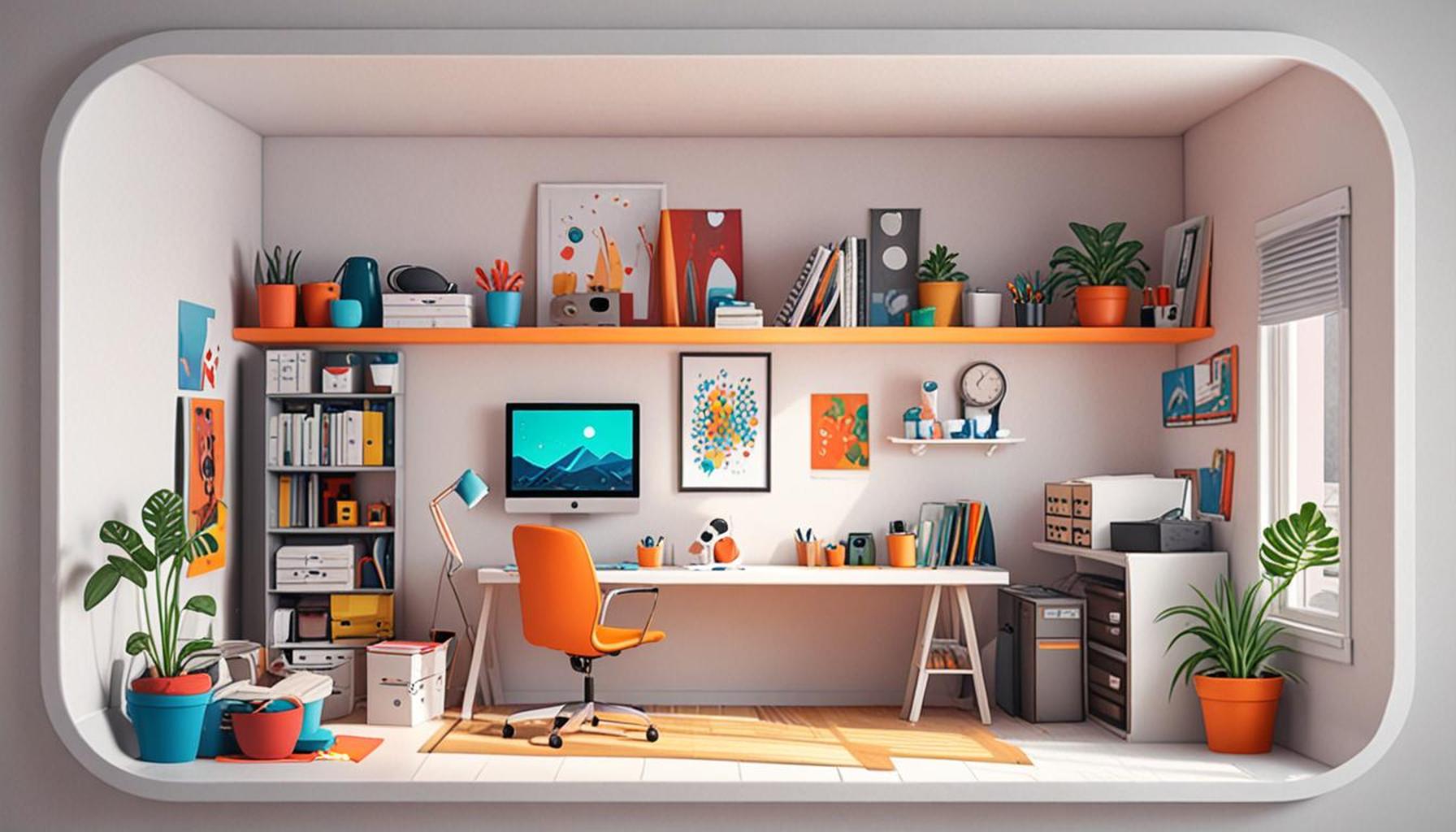
Another invaluable concept is the workspace nook. In many smaller homes, the once distinct office space has transformed into a corner of the living room or bedroom. To create an inviting yet practical workspace, opt for a compact desk that complements your decor and can be tucked away or repurposed when not in use. Incorporate wall-mounted shelves or pegboards above your desk for easy access to supplies while keeping the work area clean and organized.
Decluttering Through Digital Solutions
Physical decluttering can be further supported by digital solutions, which streamline your life and minimize physical items that take up space. In our digitally driven society, opting for digital subscriptions rather than physical products can significantly diminish clutter. Instead of collecting stacks of newspapers, books, and magazines, consider using e-readers, digital magazine subscriptions, or online news platforms. Additionally, digitizing your important documents can clear out drawers and filing cabinets, making it easier to locate necessary paperwork when needed.
Adopting digital organization tools also plays a role in maximizing space. Applications like Evernote or Google Keep enable users to store notes, lists, and reminders without the need for paper. By reducing paper usage, you contribute to an organized and minimalist lifestyle while enhancing accessibility to your important information across devices.
Optimizing Natural Light
Another key element in making small spaces feel larger and more open is the strategic use of natural light. Brightened rooms create a sense of amplitude, making your space feel less cramped. Use light, airy colors on walls and furnishings to reflect light and produce a more expansive atmosphere. Opt for transparent or sheer curtains that allow light to flow in while still providing privacy.
Employing mirrors is a classic yet effective technique to amplify light and create the illusion of more space. Strategically placed mirrors can reflect natural light and visually expand the room’s dimensions. You can also consider incorporating mirrored furniture, such as coffee tables or side tables, which enhance this effect while adding subtle elegance to your decor.
Finally, eliminating excessive decoration is pivotal in maintaining a minimalist aesthetic. Focus on a few selected art pieces or photographs that truly resonate with you, placing them at points where they can draw the eye, rather than cluttering surfaces. By adopting these strategies, you not only maximize your space but craft a genuinely personalized sanctuary.
DIVE DEEPER: Click here to discover the power of gratitude
Conclusion
In conclusion, maximizing space in small environments through minimalist organization strategies can transform even the tightest of quarters into a functional and inviting home. By embracing the concept of multi-functional spaces, you can ensure that every area serves multiple purposes, from a cozy sofa bed that accommodates guests to a tucked-away workspace that allows for productivity without permanent clutter.
Incorporating digital solutions is equally crucial in reducing physical items, further enhancing the minimalist lifestyle. The transition to digital subscriptions and the use of organization tools like Evernote instills clarity and order in your life while minimizing the need for physical storage. As we navigate the modern world where physical space often comes at a premium, harnessing technology allows for a streamlined approach to our possessions.
Moreover, optimizing natural light and refining decorative choices significantly contributes to the perception of space. Utilizing light tones and smart décor choices not only fosters a sense of openness but also aligns with the minimalist ethos where less truly becomes more. The effect of mirrors can further amplify this illusion, creating both visual depth and a brighter atmosphere.
Ultimately, a minimalist approach is not merely about tidiness; it’s a lifestyle that encourages intentionality and purpose. By adhering to these strategies, you can reclaim your space and peace of mind, crafting a sanctuary that reflects your unique style while remaining uncluttered. As you embark on this journey towards a minimalist lifestyle, remember that the ultimate goal is to create a home that inspires, comforts, and serves in every way possible.