Mindful Habits: Reducing Stress in Minimalist Environments
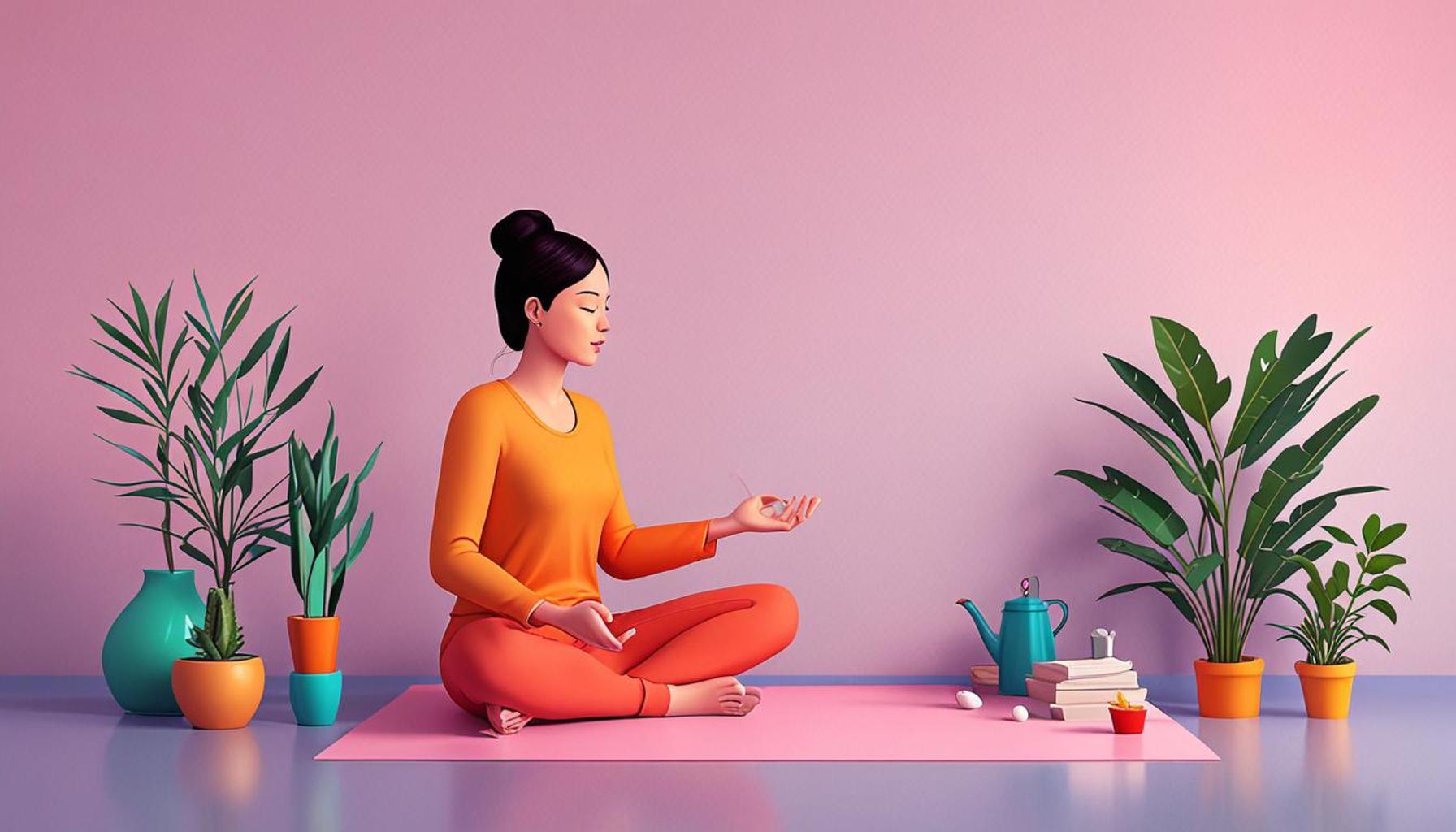
Discovering Peace in Simplicity
In the whirlwind of modern life, where deadlines loom and multitasking has become second nature, stress often feels like an unwelcome companion. Yet, within this chaos, there exists an opportunity for transformation. By cultivating mindful habits and adopting minimalist living, we can foster not only serene spaces but also a more peaceful state of mind. Imagine a home that not only looks beautiful but feels like a retreat, a sanctuary where you can recharge and reflect.
What Are Mindful Habits?
- Mindful Breathing: A powerful technique that brings your awareness back to the present moment, mindful breathing encourages you to focus solely on your breath. Whether you take a few moments each morning to inhale deeply or practice it during a stressful moment at work, this simple action can significantly reduce anxiety and ground you.
- Gratitude Journaling: This practice involves writing down things you are thankful for and is a potent way to shift your mindset from negativity to positivity. Studies have shown that regularly reflecting on what you appreciate can improve emotional health, by helping you to see the good in everyday moments.
- Decluttering: Beyond just tidying up, decluttering involves a thoughtful curation of your belongings. By removing items that no longer serve a purpose or bring joy, you create a physical space that mirrors mental clarity, allowing for a more focused outlook.
Incorporating these practices within a minimalist environment can drastically amplify their positive effects. A home curated with only essentials promotes clarity, making room for more intentional thoughts and feelings.
Benefits of Minimalist Living
- Lower Stress Levels: Simplifying your surroundings can foster a sense of calm and reduce overwhelming feelings typical of cluttered environments. A clean and organized space is often a key to a relaxed mind.
- Increased Productivity: Consider how distractions can sidetrack your focus. In a minimalist setup, fewer objects vying for your attention can lead to improved concentration and efficiency in tasks—be it in a home office or a creative workspace.
- Enhanced Well-being: Living mindfully in peaceful surroundings has proven mental health benefits. Research indicates that environments that promote tranquility can lower anxiety and encourage a more positive outlook on life.
As we delve deeper into the intersection of mindful habits and minimalism, we uncover a pathway to profound transformation. Small, deliberate adjustments—like committing to a daily breathing exercise or spending a few minutes reflecting in a gratitude journal—can drastically enhance your ability to manage stress. With each conscious choice, you are not just clearing physical spaces; you are intentionally shaping your mental landscape, leading to a more purposeful existence. Take the first step towards a minimalist lifestyle and experience the liberating effects of simplicity and mindfulness.
DIVE DEEPER: Click here to learn how mindfulness can transform your daily life
Creating a Foundation for Mindfulness
As we explore the interplay between mindful habits and minimalist environments, it’s crucial to understand how these concepts support one another in reducing stress. The practice of mindfulness encourages us to engage fully with our surroundings, and when paired with a minimalist approach, it becomes a powerful tool for achieving tranquility. A minimalist space not only alleviates visual clutter but also invites a sense of calm, creating an ideal backdrop for mindfulness practices.

Implementing Mindful Practices in Your Home
To experience the full benefits of mindful habits, consider incorporating them into your daily routine within a minimalist environment. Here are several practices to get you started:
- Mindful Morning Rituals: Begin your day with intention. Consider adopting a morning routine devoid of distractions—no phones or notifications waiting for you. Instead, focus on activities such as meditation, gentle stretching, or even a cup of herbal tea in a quiet corner of your home. This sets a peaceful tone for the day and cultivates a clear mind.
- Designated Reflection Spaces: Create a designated area in your home, perhaps a chair by a window or a small nook, solely for reflection. Fill this space with minimal items that inspire you—a plant, a journal, or a picture that brings joy. When you enter this space, commit to reflection, whether it’s journaling or simply breathing deeply.
- Intentional Digital Engagement: Embrace a minimalist approach to technology by allocating specific times for checking emails and social media. This reduces the feeling of always being ‘on’ and allows for more focused, intentional engagement when you do connect with the digital world.
By strategically embedding these practices into your daily life, you begin to experience the mental and emotional rewards that come from blending mindfulness with minimalism. Over time, even fleeting moments of mindfulness can accumulate to create a sense of harmony within your living space.
Mindfulness Through Observing Your Surroundings
Another key element of mindful living is the practice of observation. This entails taking a few moments throughout your day to intentionally assess your surroundings. In a minimalistic environment, this can be particularly impactful because fewer distractions allow you to notice the details that typically blend into the background. Whether it’s the lush green of a plant or the texture of a simple, well-curated piece of furniture, these observations encourage appreciation and grounding. Studies show that such focused attention can significantly enhance feelings of happiness and reduce anxiety.
Mindful habits in a minimalist environment not only contribute to a decluttered physical space but also foster mental clarity. With each mindful moment, homeowners can transition from chaos to serenity, gradually transforming their everyday lives into a more purposeful and harmonious experience. By recognizing the influence of our surroundings, we can cultivate mindfulness that resonates throughout our daily activities, ultimately leading to a profound reduction in stress levels.
| Advantage | Description |
|---|---|
| Enhanced Focus | Minimalist environments promote concentration by reducing distractions, allowing for mindful practices. |
| Reduced Anxiety | An uncluttered space can provide a sense of calm, significantly lessening feelings of overwhelm and stress. |
| Improved Well-being | Embracing minimalism can lead to a greater sense of fulfillment and emotional peace. |
| Better Time Management | By simplifying tasks and environments, individuals can focus on what truly matters, enhancing productivity. |
Minimalism is not just about physical space but also a mental state. The integration of mindful habits within a minimalist approach can open doors to a lifestyle where stress is significantly minimized. Each of these advantages plays a critical role in fostering an environment conducive to mental clarity and emotional balance. Stay tuned as we delve deeper into how these factors intertwine and contribute to overall wellness and tranquility in our daily lives.
DIVE DEEPER: Click here to discover more about mindfulness
Enhancing Mindfulness Through Environment Design
As we delve deeper into the relationship between mindful habits and minimalist environments, it’s essential to consider the influence of environment design on our mental well-being. Our surroundings play a critical role in shaping our thoughts, emotions, and behaviors. Thoughtful design choices in a minimalist space can amplify mindfulness practices and contribute significantly to stress reduction.
Utilizing Natural Light and Open Spaces
One of the most effective ways to enhance mindfulness in your environment is to harness the power of natural light. Research shows that exposure to daylight can improve mood and energy levels, subsequently reducing stress. In minimalist designs, larger windows or skylights help create an airy atmosphere and invite the outside world in. This connection to nature can be grounding and restorative, encouraging mindfulness as we engage with the rhythm of the day.
In addition to natural light, consider the concept of open spaces. Avoid overcrowding your area with furniture and decor items. Instead, create ample open space that allows for effortless movement and a sense of freedom. This approach encourages spontaneity, allowing you to engage in physical activities like yoga or tai chi, which are beneficial for both the mind and body. Engaging in movement in a serene, uncluttered space can enhance overall emotional well-being, making you more resilient against daily stressors.
Incorporating Nature into Your Environment
The integration of natural elements in home design not only enhances aesthetics but also nurtures mental well-being. Indoor plants, water features, or natural wood accents can bring a sense of tranquility. According to studies by psychology researchers, green spaces are associated with lower stress levels and higher overall happiness. Consider adding a few low-maintenance plants, such as succulents or peace lilies, to your minimalist setup, inviting life and energy into your environment.
In addition, creating a sensory-rich environment through natural materials can enrich moment-to-moment experiences. The textures of wood, stone, or cotton can stimulate your senses, prompting mindfulness as you touch or navigate your space. Pay attention to how these elements engage your senses; this awareness can cultivate a deeper connection to your surroundings and enhance overall relaxation.
Cultivating a Sound Design
Sound plays an integral part in our experience of space, especially in a minimalist environment where other distractions are purposefully minimized. To support your mindful habits, consider incorporating soundscapes that soothe and promote relaxation. Whether with a simple Bluetooth speaker playing ambient nature sounds or a small fountain generating a gentle trickle of water, these elements can create a serene auditory backdrop that encourages contemplative practices.
Moreover, practicing mindfulness techniques such as deep listening can arise naturally in such a designed environment. Sit quietly and absorb the subtle symphony of sound around you—the whispers of the trees outside, the distant hum of the city, or the gentle rustle of leaves. Engaging with these sounds can ground you and reinforce a sense of presence, further reducing stress.
Integrating thoughtful design aspects into your minimalist environment showcases the power of mindful living. When every element, from light to sound, works harmoniously within the space, the experience is elevated, fostering a deeper connection to one’s self and surroundings. As you build your mindful habits in a minimalist lifestyle, the synergy between space and practice becomes an indispensable ally in the pursuit of tranquility and emotional balance.
DISCOVER MORE: Click here to enhance your productivity
Conclusion: Embracing Mindfulness in Minimalist Living
In a world that often seems chaotic and overwhelming, the principles of mindful habits within minimalist environments serve as a transformative approach to reducing stress. By consciously designing our spaces to embrace elements like natural light, open areas, and natural materials, we can create sanctuaries that not only promote well-being but also foster deeper connections with ourselves and our environment.
The thoughtful integration of nature—be it through plants, water features, or rich textures—can significantly uplift mood and encourage mindfulness, inviting a sense of tranquility into our daily lives. Additionally, cultivating a serene soundscape can further enhance our mindfulness practice, allowing us to engage actively with our surroundings and find contentment in peaceful moments.
Ultimately, the journey towards a more mindful existence in a minimalist setting is not just about decluttering our physical space, but also about clearing mental clutter. By adopting these principles, we make room for intentionality and presence in our lives. As you explore the synergy between mindful habits and minimalism, consider the profound impact such shifts can have on your emotional balance and overall quality of life. Striving for simplicity and focus, both in your environment and your habits, may just unveil a path to lasting stress reduction and enhanced well-being.
Take the first step today—make small, meaningful changes to your surroundings and watch how they ripple through the fabric of your daily existence.