Mindful Habits to Optimize the Decluttering Process in a Minimalist Lifestyle

Unlocking the Benefits of a Minimalist Lifestyle
In a world overflowing with material possessions, adopting a subsequent focus on minimalism can yield transformative effects. This journey transcends mere clutter reduction; it invites individuals to engage with their belongings and environment in a more deliberate and conscious manner.
The Essence of Minimalism
Minimalism is not just about throwing away items; it’s a lifestyle choice that encourages individuals to prioritize experiences and relationships over possessions. For instance, rather than purchasing excess clothing that may never be worn, one may choose to invest in a few high-quality pieces that bring joy. This shift in mentality lays the groundwork for a more fulfilling life, where the emphasis is placed on quality rather than quantity.
Mindful Habits for Effective Decluttering
To effectively cultivate a minimalist space, integrating mindful habits is essential. Here are some strategies that can assist in this endeavor:
- Intention Setting: Begin by determining your goals for decluttering. What do you hope to achieve? This could range from creating a more organized space to fostering mental clarity. Visualizing your desired outcomes can significantly influence the decluttering process.
- Mindful Decision-Making: As you evaluate each item, think critically about its value and purpose in your life. Ask yourself questions such as: Does this item serve a functional purpose? Does it evoke happiness? Engaging in this introspective process helps ensure that you are surrounded by things that truly matter.
- Scheduled Decluttering: Set aside specific times to revisit various spaces in your home. Regular check-ins can prevent clutter from building up again. For example, dedicating the first Saturday of each month to declutter specific areas can establish a sustainable routine.
The Broader Impact of Minimalism
Implementing these habits empowers you to engage in decluttering with intention and clarity. Notably, a mindful approach ensures that your living environment reflects your values and aspirations. Psychological studies suggest that a clutter-free space can lead to lower stress levels and improved mental health, contributing to an overall sense of well-being.
As you embark on your minimalist journey, remember that mindfulness is more than just a practice; it defines a way of living. Each small step can significantly enhance your ability to maintain a serene and purposeful space. Embracing this lifestyle empowers individuals not only to declutter physically but also to reshape their mental frameworks surrounding possessions and satisfaction. The goal is not simply to own less but to value more.
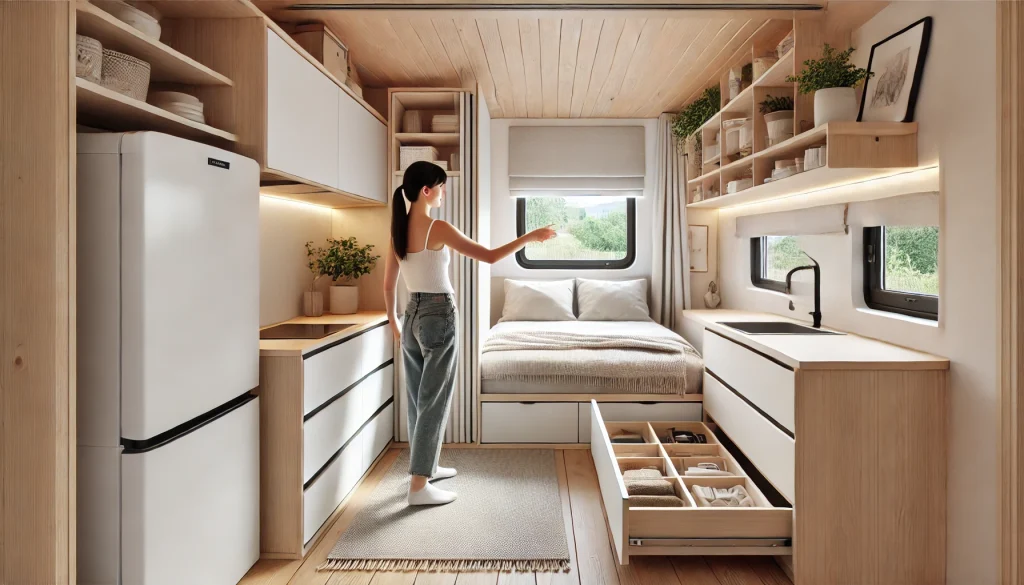
Conclusion: The Path Forward
Minimalism encourages a strategic and intentional approach to living, enabling individuals to focus on what truly matters. By cultivating mindful habits and fostering a clear vision, anyone can embark on a journey to a more meaningful existence. The choice to declutter is a powerful statement about how we prioritize our lives and what we allow to occupy our physical and mental spaces.
DISCOVER MORE: Click here to learn about the power of mindfulness
Creating a Mindful Decluttering Ritual
To excel in the decluttering journey, it is crucial to establish a mindful decluttering ritual that resonates with your lifestyle. This process should not feel like a tedious chore but rather an enlightening experience that deepens your understanding of your belongings and their roles in your life. By transforming decluttering into a mindful practice, you can make each step a form of reflection and self-discovery.
Embrace the Present Moment
One of the key aspects of mindfulness is cultivating awareness of the present moment. When decluttering, pause and take a few deep breaths before you begin. This practice not only calms the mind but also allows you to focus on the task at hand. Quickly rushing to discard items may lead to regret later; instead, take your time to appreciate what you have and consider how it aligns with your current values and lifestyle.
Utilize the Four-Box Method
The Four-Box Method is an effective and interactive strategy that encourages mindful decision-making. As you assess your possessions, set up four boxes labeled: Keep, Donate, Recycle, and Trash. The act of categorizing belongings promotes thoughtful evaluation, allowing you to reflect on how each item contributes to your life.
- Keep: Items that you use regularly, hold sentimental value, or evoke joy.
- Donate: Items that are in good condition but no longer serve a purpose in your life, which can benefit someone else.
- Recycle: Items that can be broken down and repurposed, ensuring minimal environmental impact.
- Trash: Items that are beyond repair or reuse and simply need to be discarded.
This organized approach not only streamlines the decluttering process but also encourages a mindful engagement with your possessions, ensuring that you are making intentional choices about what you allow in your space.
Practice Gratitude During Decluttering
Another powerful habit to embrace is practicing gratitude throughout the decluttering experience. As you hold each item, take a moment to reflect on the joy, utility, or memories it has brought you. Acknowledging this connection helps create a sense of closure, especially with items you decide to let go of. Consider saying thank you to each item as you release it, reinforcing your appreciation and making the process feel more positive and uplifting.
Incorporating these mindful habits into your decluttering routine creates a deeper understanding of yourself and your needs. By instilling awareness, gratitude, and purposeful evaluation into the decluttering process, you can move toward a minimalist lifestyle that embodies clarity and fulfillment, allowing you to focus on what truly enriches your life.
| Mindful Habit | Benefits |
|---|---|
| Daily Reflection | Encourages clarity and purpose in the decluttering process, leading to more intentional decisions about possessions. |
| Regular Purging | Promotes a routine of maintaining a clutter-free environment, reducing stress and enhancing focus in a minimalist lifestyle. |
| Mindfulness Practices | Helps cultivate an awareness of one’s surroundings, leading to better choices about what to keep or eliminate. |
| Intentional Shopping | Reduces impulse purchases and promotes thoughtful consumption, enhancing the benefits of a minimalist lifestyle. |
Integrating these mindful habits into daily life can significantly enhance the decluttering journey. As you implement practices like daily reflection and regular purging, you begin to foster an environment that reflects your true self and values. Each habit not only aids in maintaining a minimalist space but also supports mental clarity and emotional well-being. By embracing mindfulness in daily choices, such as intentional shopping, you create a sustainable lifestyle that resonates with the principles of minimalism. This approach not only reduces the physical clutter in your surroundings but also aids in the decluttering of your mind, paving the way for a more peaceful and focused life.
DISCOVER MORE: Click here to learn how less can be more
Breaking Down the Decluttering Process into Manageable Steps
Another vital aspect of creating a successful decluttering routine is breaking the process down into manageable steps. Embracing mindfulness involves recognizing that decluttering can be an overwhelming endeavor if approached all at once. By segmenting tasks into achievable objectives, you can maintain focus and prevent burnout, allowing for a more rewarding experience.
Set a Timer for Focused Sessions
Utilizing a time management technique, such as the Pomodoro Technique, can significantly enhance your decluttering sessions. Set a timer for 25 minutes to engage in focused decluttering, followed by a 5-minute break to clear your mind and reflect. This approach not only keeps your energy levels up but also fosters mindfulness by encouraging you to remain fully present during each session.
Designate Areas for Decluttering
Decluttering can quickly become chaotic if all areas of your living space are tackled simultaneously. Instead, designate specific areas or rooms to declutter one at a time. For instance, begin with a small area, like your closet or kitchen drawer, and gradually work your way through your home. This strategy enhances mindfulness by allowing you to immerse yourself in a single space, assessing its contents and developing a deeper connection with your belongings.
Incorporate Mindful Listening
Engaging in mindful listening during the decluttering process can elevate your experience. As you declutter, consider playing calming music or listening to a mindfulness podcast. These auditory experiences can help ground you in the present moment and minimize distractions, enabling you to focus better on your tasks. Furthermore, incorporating sound can shift decluttering from a mundane chore to a more enriching and enjoyable activity.
Reflect on Your Progress
Throughout your decluttering journey, allow time for reflection on the progress you’ve made. After each session, take a moment to assess how you feel about the items you’ve kept, donated, or discarded. Keeping a journal can provide a way to document your journey, offering insights into emotional attachments and evolving values. This practice links the idea of mindfulness with personal growth, as you witness firsthand the transformative effect of simplifying your space.
Engage in Community Donation Events
Minimizing your possessions does not only benefit you; it can positively impact others as well. Participating in local donation drives or community events can add a layer of intentionality to your decluttering process. Engaging with your community while donating clothes, furniture, or household items creates a sense of connection and purpose. This unity reinforces the mindful aspect of decluttering as you consider not just what you are discarding, but who may benefit from your generosity.
By employing mindful habits like breaking down the decluttering process into smaller, focused efforts, utilizing auditory stimuli, and reflecting on progress, you create an environment that fosters insight and appreciation. These strategies not only enhance your decluttering experience but also cultivate a continued awareness of what brings you joy in a minimalist lifestyle, paving the way for lasting change and clarity in your living space.
DISCOVER MORE: Click here for expert tips on maximizing small spaces
Conclusion
In conclusion, adopting mindful habits to optimize the decluttering process can significantly enhance your journey toward a minimalist lifestyle. By breaking down the process into manageable steps, setting focused time sessions, designating specific areas for decluttering, and engaging in reflective practices, you cultivate a deeper connection with your belongings and transform a potentially overwhelming task into a fulfilling experience. Mindfulness encourages you to remain present, allowing you to fully engage with each item and its significance in your life.
Moreover, incorporating elements like community donation events not only amplifies the purpose behind decluttering but also fosters connections that enrich your experience. As you part with items you no longer need, imagine the positive impact on others and the space it creates for new opportunities in your life. Emphasizing mindful listening during this process can further enhance the atmosphere, making each decluttering session not just a chore, but a soothing, meditative practice.
Ultimately, the goal is to achieve clarity and joy in your living space. Remember, your minimalism journey is not merely about reducing clutter but rather cultivating a lifestyle centered on intention, purpose, and mindfulness. With each step you take in this process, you will discover the liberation that comes from living with less and the profound satisfaction of a simplified life. Embrace these mindful habits as you continue to refine your surroundings and, in turn, enrich your life.