Mindfulness and the Art of Simplicity: How Conscious Practices Can Transform Your Home
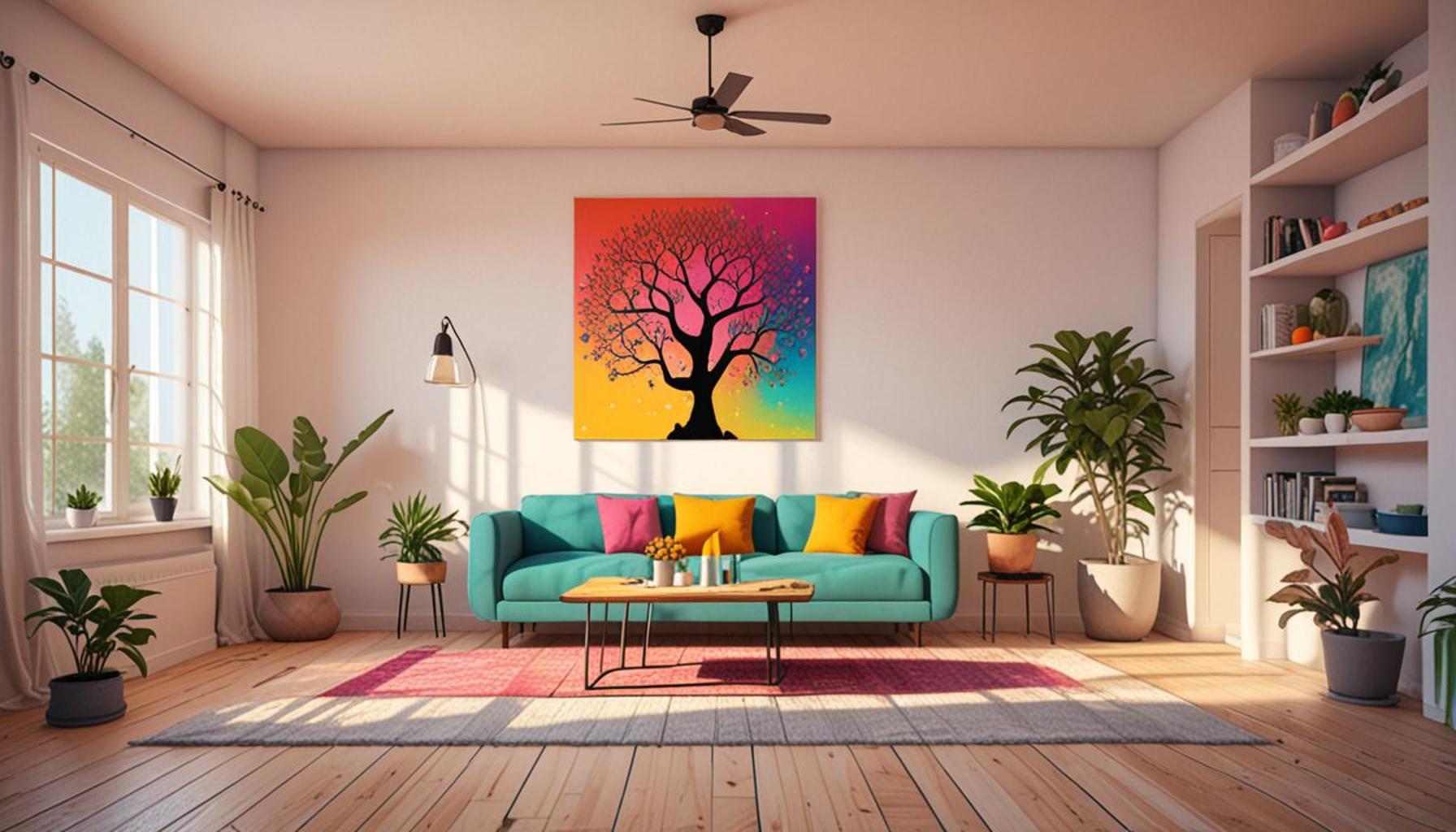
The Power of Mindfulness in Transforming Your Living Space
In an age characterized by rapid technological advancements and busy lifestyles, many individuals find themselves overwhelmed by clutter, both physically in their living environments and mentally in their thoughts. Mindfulness offers a refreshing solution to combat the chaos, paving the way for a simpler, more tranquil living space. Integrating intentional practices into your daily commute, meals, or even while tidying up can cultivate an environment that not only mirrors simplicity but also nurtures emotional and psychological well-being.
At its core, mindfulness is a state of active, open attention to the present moment. It encourages us to observe our surroundings without judgment, fostering a deeper engagement with our lived experiences. Here’s how embracing mindfulness can transform your home environment and provide a sanctuary of peace:
- Intentional Living: Mindfulness encourages you to focus on what truly matters in your life. This can start by decluttering both your physical and mental spaces. For instance, consider adopting the minimalist philosophy, which advocates for keeping only those items that bring you joy. This is in line with the famous Marie Kondo method. Not only does decluttering create physical space, but it also helps clear mental clutter, allowing for greater focus on your priorities.
- Awareness of Sensory Experience: Mindfulness invites us to take note of the sensory details in our surroundings. Whether it’s the soft texture of your couch, the calming scent of essential oils, or the inviting colors of your walls, paying attention to these elements can create a soothing atmosphere. Try incorporating sensory elements into your space, such as arranging fresh flowers or using warm lighting to promote a sense of comfort and relaxation.
- Gratitude Practices: Fostering an appreciation for your living space can significantly enhance your connection to it. Simple practices such as keeping a gratitude journal or taking a moment to acknowledge the beauty around you can inspire contentment. For example, each evening, reflect on the aspects of your home and daily life that you are thankful for, ranging from a cozy corner for reading to the laughter shared during family dinners.
By implementing these straightforward yet impactful strategies, you can cultivate a home environment that champions simplicity and invites tranquility into your life. As you deepen your exploration of mindfulness, you will likely find that your space becomes a reflection of your inner self, creating a harmonious balance between your internal and external environments.
Join us on this journey as we uncover how these transformative techniques can inspire profound shifts, not just within your home, but also throughout your life. This journey into mindful living is not just a path to decluttering; it’s an invitation to embrace a fuller, richer existence.
DISCOVER MORE: Click here to enhance your time management skills
Creating a Mindful Home Environment
To truly embrace the principles of mindfulness within your home, one must start by redefining what “home” means. Is it a mere structure where we shelter ourselves, or is it a sanctuary that nurtures our emotional and mental well-being? Establishing a mindful living space requires us to engage actively with our surroundings, making conscious choices that reflect our values and aspirations.
The journey to a mindful home can be categorized into three transformative practices, each fostering simplicity and serenity:
- Declutter with Purpose: Begin by evaluating each item in your home. Engage with it mindfully—has it served you lately? Does it spark joy or comfort? Letting go of what no longer serves you is not just about physical decluttering; it’s a profound act of self-care. In the bustling world of consumerism, holding on to excess can create unnecessary stress. Research indicates that a simplified environment can lead to decreased anxiety levels and improved focus. In fact, engaging with your space in this way can lead to the remarkable insight that often, less truly is more.
- Curate Your Atmosphere: Beyond decluttering, consider the elements that contribute to the feeling of tranquility in your home. Layered lighting, soothing colors, and natural materials all play a vital role in creating a space conducive to mindfulness. For instance, vibrant wall colors can energize a room, while soft, neutral tones can create a calming effect. Utilize natural light as much as possible; studies show that exposure to natural light can improve mood and productivity. Bring in plants that contribute to cleaner air and a sense of vitality—these little actions can shift the energy of your home dramatically.
- Establish Mindful Routines: Integrating mindfulness into your day-to-day living allows the practice to permeate your home life. Whether through morning meditation rituals that set a calming tone for the day or evening gratitude exercises acknowledging the day’s highlights, establishing a routine can transform the very essence of your living space. Incorporate breathing exercises or yoga in an inviting corner of your home where you can find solitude and stillness. These routines don’t just enhance your personal well-being, but they also create a collective atmosphere of calm that can be felt by those you share your home with.
Through these mindful practices, you will discover that your living space becomes not just a backdrop for daily life but a canvas reflecting your heart’s intentions. These actions encourage a deep connection with your environment, building a home that resonates with simplicity and comfort. The journey of transforming your home into a haven requires commitment, but the benefits are profound, propelling you toward a more intentional and blissful existence.
As we continue to explore the nuances of mindful living, we will uncover additional strategies that allow conscious practices to intertwine with daily routines, further enhancing your home environment.
| Advantages of Mindfulness | Transformative Features |
|---|---|
| Enhanced Focus | Allows individual to concentrate, improving overall productivity. |
| Stress Reduction | Minimizes anxiety levels, contributing to a peaceful home environment. |
| Intentional Living | Encourages thoughtful decision-making in home organization and decoration. |
| Improved Relationships | Fosters deeper connections through shared presence and understanding. |
Adopting mindfulness techniques can drastically alter your perception and experience within your home. By nurturing enhanced focus, individuals can often find themselves not only completing tasks more efficiently but also appreciating the simplicity of each moment. This shift can lead to stress reduction, ultimately transforming your living space into a haven of tranquility and balance. Moreover, embracing intentional living serves as a cornerstone for decluttering both physical and mental spaces, allowing you to create an environment that reflects your values and priorities. This conscious practice cultivates improved relationships, as it teaches family members the value of being present with one another, fostering genuine connections. Exploring these aspects can open new avenues for reimagining not just your home, but your entire lifestyle, providing a foundation for a more fulfilling, simplified existence.
DIVE DEEPER: Click here to discover more
Integrating Mindfulness into Daily Living
While creating a mindful home environment lays the foundation for a simpler, more intentional way of living, the real transformation occurs when we integrate mindfulness into our daily routines. By making small, conscious adjustments to our everyday practices, we enhance not just our home but also our inner lives. Here, we will delve into additional mindful strategies that can have significant impacts on our overall well-being.
Mindful Eating: One essential practice that reflects mindfulness is the way we relate to food and meals. Today’s fast-paced culture often encourages mindless eating, where we consume meals while distracted by screens or thoughts. By adopting mindful eating habits, we rekindle our relationship with food. This means establishing a dedicated space for meals, free of distractions, allowing us to savor each bite and appreciate the flavors and textures. Research from the American Psychological Association highlights that individuals who practice mindful eating often report feeling more satisfied after meals, which can result in healthier eating patterns and greater enjoyment of food.
Conscious Consumerism: Another area where mindfulness can significantly impact our homes is through the practice of conscious consumerism. This involves being intentional about the products we bring into our homes, considering their environmental footprint, ethical production, and whether they truly enrich our lives. Instead of succumbing to impulsive purchases driven by marketing strategies, adopting a “one-in, one-out” policy can serve as a guideline: for every new item brought into your home, consider letting go of another. This practice limits clutter while ensuring that each item holds value in your life.
Nature Immersion: Incorporating elements of nature into your home not only beautifies the space but fosters a sense of peace and tranquility. Known as biophilic design, this concept revolves around the idea that humans have an inherent desire to connect with nature. Indoor plants, natural light, and organic materials have been shown to reduce stress and enhance creativity. For example, studies from the University of Exeter reveal that people who work in environments with plants are 15% more productive compared to those who don’t. By prioritizing nature within your home, you can create a soothing atmosphere that nurtures mindfulness.
Breath and Space: In the journey toward a mindful home, it’s important to remember that space itself can hold energy. Emphasizing open areas and minimizing excessive furniture evoke a sense of spaciousness, allowing for easier movement and breath. Taking time to simply engage in moments of breathing can shift the energy of a space entirely. Integrating practices such as breathwork or quiet pauses in specific rooms can cultivate a deeper connection to your surroundings, ultimately creating a harmonious balance between your inner state and external environment.
By embedding these practices into your daily life, you transform simple actions into profound rituals that cultivate mindfulness. Each mindful choice contributes to a resonating atmosphere of simplicity and intentionality, allowing your home to flourish as a supportive haven for your mental and emotional well-being. These elements intertwine seamlessly, fostering a unified approach to living that can tangibly shift your outlook and effectiveness, making each day more fulfilling and connected.
DIVE DEEPER: Click here to uncover more insights
Final Thoughts on Mindfulness and Simplicity
As we reflect on the relationship between mindfulness and the art of simplicity, it becomes clear that our home environments can significantly influence our overall well-being. By embracing conscious practices, we have the power to transform our living spaces into tranquil sanctuaries that nurture both our minds and souls. The integration of mindful strategies—from mindful eating and conscious consumerism to enhancing our connection with nature—can create a ripple effect that extends beyond the physical realm of our homes.
Adopting these practices facilitates a deeper connection to our surroundings, fostering awareness and appreciation for the beauty in simplicity. As highlighted throughout this discussion, the cumulative impact of these actions can lead to a profound shift in our daily lives, challenging the societal norms of consumption and distraction. Moreover, as we carefully curate the items we bring into our lives, we create meaningful spaces for reflection and rejuvenation.
Ultimately, the journey toward a mindful home is ongoing and personal. By prioritizing simplicity and intention, we allow ourselves to embrace moments of clarity amidst the chaos. So take a step back, assess your space, and consider what truly adds value to your life. Engaging in this ongoing process not only enriches our home environments but also cultivates a greater sense of gratitude, peace, and fulfillment as we move through our everyday lives. The transformation begins with you—start small, and watch how mindfulness can reshape not just your home, but your entire experience of life.