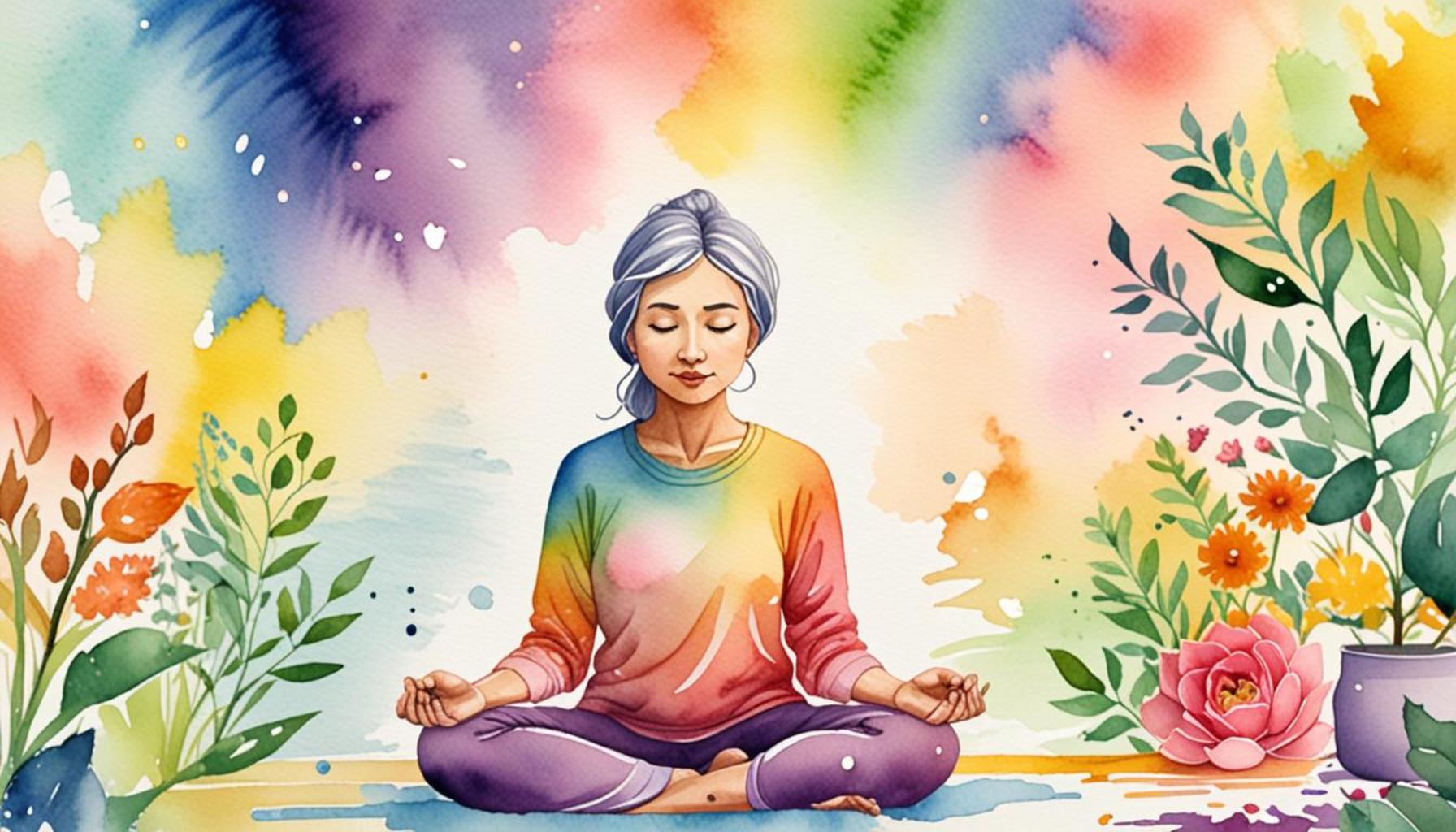
Mindfulness and the Conscious Choice: How to Decide What to Keep and What to Let Go in a Minimalist Lifestyle
The Role of Mindfulness in Minimalist Living
In a world overflowing with possessions and distractions, the art of mindfulness emerges as a beacon of clarity. This intentional practice encourages individuals to focus on the present moment and make more conscious choices about their lives. As many embrace a minimalist lifestyle, the question arises: what should we keep and what should we let go? This inquiry is not just about ridding ourselves of physical items; it is a reflective journey that can lead to deeper self-awareness and fulfillment.
Understanding this delicate balance is pivotal for achieving true simplicity. One of the core tenets of minimalism is recognizing that our belongings often carry weight beyond their physical presence. They can be imbued with memories, responsibilities, and emotions that can affect our mental health. Here are a few guiding principles to consider when embarking on this transformative path:
- Emotional Attachment: Identify items that have genuine sentimental value. For instance, a family heirloom or a piece of art gifted by a loved one may hold stories that enrich your life. Ask yourself, does this object evoke joy, nostalgia, or comfort? If not, its presence might simply contribute to clutter.
- Utility: Evaluate how often and why you use each item. An item that serves a clear purpose, such as tools for a hobby you enjoy or kitchen equipment for cooking meals, can justify its space in your home. Conversely, an unworn shirt or an unused appliance may signify past aspirations rather than current realities.
- Aesthetic Appeal: Consider whether an object brings joy or adds beauty to your space. In minimalism, aesthetic pleasure is vital. A beautifully designed chair that enhances your living space can have a positive impact on your mood and well-being, serving as a reminder that functionality and beauty can coexist.
Engaging with mindfulness invites a deeper connection to our possessions and daily experiences. It’s not merely about reducing clutter; it’s about enriching our lives by choosing to retain what genuinely matters. By considering these principles, you can develop a clear framework for decision-making.
As you journey towards a minimalist lifestyle, reflect on these aspects. Understanding your motivations can lead to profound insights about your values and priorities, helping you uncover what truly enhances your life. Moreover, sharing this journey with others, whether through community initiatives or social media, can foster a sense of connection and support as you each navigate your paths towards intentional living.
DIVE DEEPER: Click here to enhance your productivity
Mindfulness as a Tool for Decision-Making
Embracing a minimalist lifestyle requires an understanding of what truly matters to us. At the heart of this journey lies mindfulness, a powerful tool that enables individuals to cultivate awareness and make deliberate choices about what to retain and what to release. To embark on this transformational path, it is essential to hone our ability to assess our belongings and our emotional connections to them.
When approaching the decision-making process, here are some practical steps that can facilitate a mindful evaluation of your possessions:
- Practice Gratitude: Before diving into decluttering, take a moment to appreciate all that you currently own. Expressing gratitude can reframe your perspective, allowing you to approach your belongings with a sense of respect rather than judgment. By acknowledging their role in your life, you can better discern which items continue to serve a purpose and which do not.
- Set Intentions: Define clear intentions for your minimalist journey. Ask yourself questions such as, “What do I want my living space to reflect?” or “How do I want to feel in my home?” These intentions can guide your decisions, steering you towards a lifestyle that aligns with your values and aspirations.
- Limit Distractions: In a society inundated with advertisements and social media trends, it is easy to fall into the trap of wanting more. By consciously limiting distractions, whether through digital detoxes or setting aside time to reflect, you can create mental space to focus on what truly matters. This clarity will empower your decision-making process.
- Visualize Your Ideal Space: Take time to envision how you want your living environment to look and feel. This mental picture can serve as a benchmark for what to keep and what to let go. A clutter-free space can nurture tranquility and allow for creativity to flourish.
Each of these steps requires an honest appraisal of your relationship with your possessions. Mindfulness is not simply about making choices but immersing yourself in the experience of decision-making. Allow yourself to feel the weight of each object—consider its narrative and relevance in your current phase of life.
Additionally, think about the impact of your choices on both your mental and emotional well-being. For many, letting go of material items can evoke feelings of loss or guilt, often tied to our identity or past experiences. A mindful approach can facilitate the processing of these emotions, turning what might feel like a daunting task into an opportunity for personal growth and liberation.
As you navigate through your possessions, remind yourself that minimalism is about more than just reducing clutter; it’s about making room for what enriches your life. Through the lens of mindfulness, your decisions can pave the way for a more fulfilling, intentional existence, highlighting the inherent value of simplicity.
| Advantage | Description |
|---|---|
| Enhanced Clarity | A minimalist lifestyle encourages a clearer mindset, allowing individuals to focus on what truly matters. |
| Reduced Stress | By letting go of unnecessary possessions, individuals experience lower levels of stress and anxiety. |
| Improved Decision Making | Practicing mindfulness aids in making more conscious decisions about what to keep in life. |
| Mindful Living | Emphasizing what to let go cultivates an attitude of gratitude towards what remains. |
Incorporating the principles of mindfulness within a minimalist framework leads to remarkable transformations in daily living. The clarity achieved through these practices empowers individuals to prioritize their goals and values. By consciously evaluating what possessions or habits provide real enrichment, people can cultivate a home and lifestyle that reflects their authentic selves. Additionally, the psychological benefits of adopting a minimalist attitude are profound. As stress is alleviated, a natural serenity takes over, enabling a proactive rather than reactive stance in life. This shift translates into improved decision-making abilities, where choices are made not out of impulse but through a lens of clarity and intention. Furthermore, the practice of keeping only what truly serves one’s happiness fosters a sense of mindful living, enriching every experience with appreciation and purpose. By embracing these concepts, individuals embark on a journey that not only simplifies their physical space but also elevates their mental and emotional wellbeing.
DISCOVER MORE: Click here to simplify your social interactions
Creating Space for Mindful Living
As the process of decluttering unfolds, it becomes increasingly evident that mindfulness is not only a mechanism for decision-making but also a framework for creating a nurturing environment. The goal of minimalism extends beyond merely reducing physical possessions; it encompasses cultivating an atmosphere conducive to mental clarity and emotional well-being. To achieve this, awareness and reflection are essential.
One vital aspect of this mindful transformation involves establishing a routine that supports intentional choices. Regularly scheduled time for reflection allows you to reconnect with your intentions and reassess your situation. Whether it’s a daily fifteen minutes of journaling or weekly evaluations of your environment, committing to these practices fosters a deeper understanding of both your needs and desires.
Consider integrating rituals into your decluttering process. For instance, each time you decide to let go of an item, take a moment to acknowledge its history and express gratitude for its role in your life. This simple act can shift your focus from loss to appreciation, thereby making the process feel rewarding rather than punitive. These rituals transform decision-making into a mindful experience that enhances emotional resilience and encourages positive growth.
Another effective technique is employing the concept of functional beauty. Not all items must hold deep sentimental value to be worth keeping. Evaluate the aesthetic and practical qualities of your belongings. Does an item bring you joy? Does it serve a clear purpose in your life? If the answer is yes, it might merit a place in your home. Conversely, an item that no longer serves a functional role can often be released without guilt.
In addition, it’s beneficial to learn about the psychological effects of clutter on mental health. Research has shown that clutter can contribute to feelings of stress and anxiety. The more objects that occupy your space, the more cognitive load you are likely to experience. A mindful examination of your environment can lead to informed choices that directly impact not only your physical space but also your mental clarity. By minimizing distractions, you can create a sanctuary that nurtures creativity and peace.
As you reflect on what to keep, consider the impact of consumerism in modern society. Living in the United States, we are often bombarded with messages encouraging the acquisition of more products. Combat this mentality by prioritizing quality over quantity. Ask yourself, “Will this item enhance my life, or is it simply a fleeting desire?” Establishing this mindset can lead to more conscious shopping and ownership practices, ultimately facilitating a minimalist lifestyle.
Lastly, as you gain clarity around your possessions, remember to engage with your community. Sharing your journey towards minimalism and mindfulness can create a support network that not only challenges your perspectives but also inspires others. Organizing swaps or donation drives can extend the life of items that no longer serve you, while also fostering a sense of connection and purpose.
Ultimately, the journey towards minimalism through mindfulness is a personal endeavor. It requires ongoing evaluation and adjustment, embracing the ebb and flow of life with grace. Each choice made with mindfulness not only shapes your physical space but also enriches your inward journey.
DIVE DEEPER: Click here to streamline your digital life
Embracing Mindfulness in Minimalism
In conclusion, the journey towards a minimalist lifestyle anchored in mindfulness is a transformative experience that shapes not just our physical spaces, but also our mental landscapes. By making conscious choices about what to keep and what to let go, we cultivate an environment that reflects our true values, desires, and well-being. The intentional act of decluttering is more than a chore; it is an exercise in self-reflection that deepens our understanding of what truly matters.
As we establish routines that foster regular reflection, develop heartfelt rituals for letting go, and appreciate the functional beauty of our belongings, we begin to unravel the complexities of consumerism that often cloud our thinking. Engaging with the psychological effects of clutter helps us realize how our environments directly influence our mental health, pushing us towards spaces that encourage creativity, serenity, and focus.
Moreover, by actively participating in a community that shares similar values, we not only enhance our own personal growth but also inspire others on their journey. The practice of minimalism, rooted in mindfulness, is a dynamic process rather than a finite destination. Each decision to embrace simplicity empowers us to create a life that resonates with purpose and fulfillment.
As you navigate your own path toward minimalism, take these insights to heart. Remember that mindfulness is a continuous practice that enables us to foster both external and internal clarity. As the clutter recedes, making room for what uplifts us, we ultimately discover the profound beauty of living intentionally and authentically.