Mindfulness in Object Selection: Learning to Let Go with Awareness

Understanding the Role of Mindfulness in Choices
In our fast-paced society, where consumption is rampant, the art of mindful object selection emerges as a powerful tool. Mindfulness invites us to approach our choices with greater awareness, prompting us to consider our true needs. This practice extends beyond mere purchasing decisions, influencing how we curate our environments—home, workspace, and even our social interactions. As we adopt a more mindful approach, we can begin to see the deeper implications of our choices, including their impact on our mental and emotional health.
The Essence of Mindful Selection
When we engage in mindful object selection, we focus on quality over quantity. This shift in perspective can lead to a transformative experience in how we live our lives. For instance, rather than filling our closets with fast fashion that quickly falls out of trend, mindful selection encourages us to invest in timeless pieces that resonate with our personal style and values. This not only leads to:
- Increased appreciation of meaningful items: Every object carries a story and significance that can enrich our lives if chosen with intention.
- A decrease in clutter and distractions: Excess belongings can create stress rather than comfort. By selecting fewer items, we can focus on what truly matters.
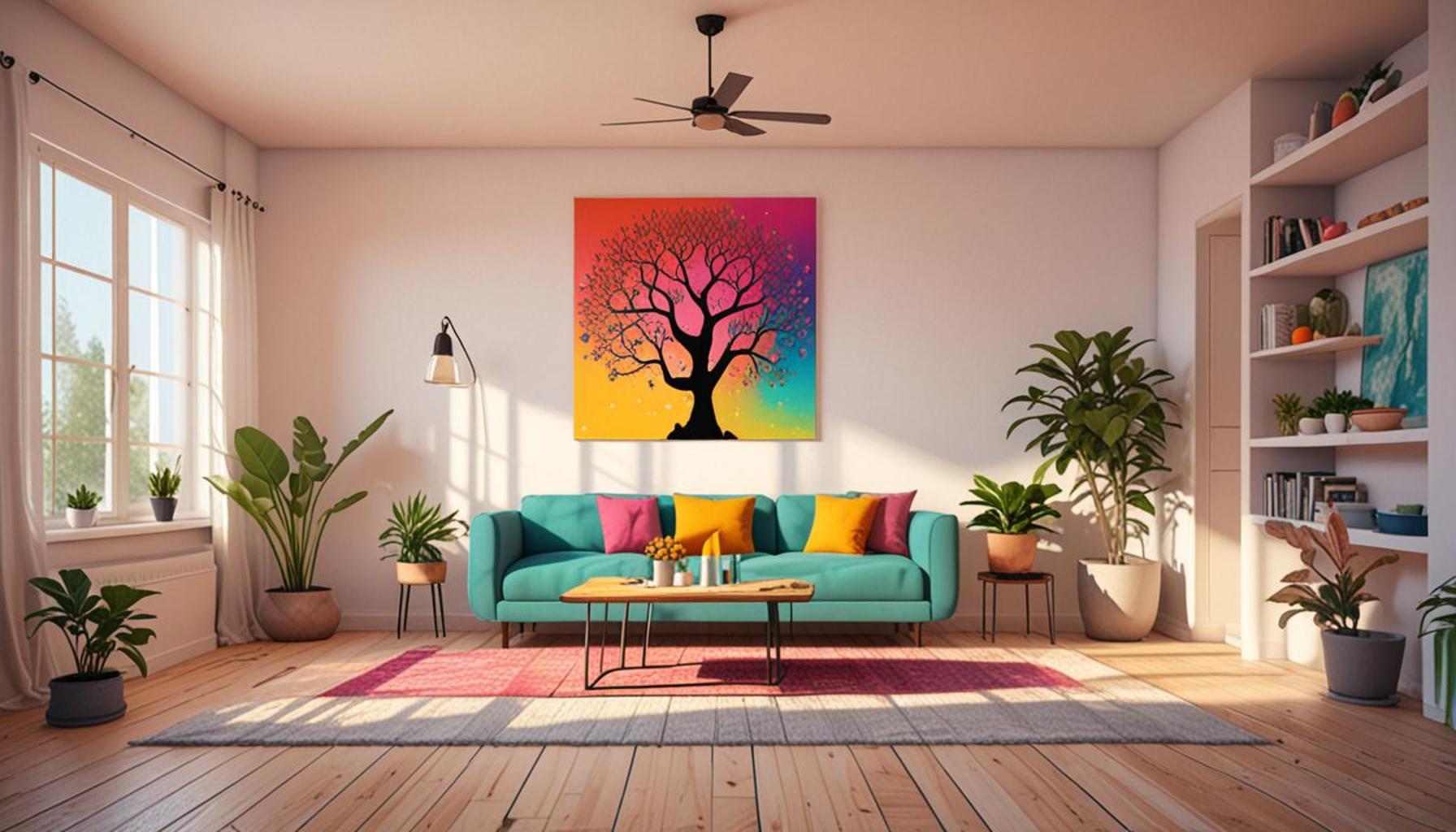
- A more intentional living space: A thoughtfully curated environment fosters peace and promotes a sense of well-being.
By consciously evaluating what we bring into our lives, we can foster not just personal satisfaction but also emotional well-being, as we cultivate spaces that reflect who we are and what we admire.
Learning to Let Go
The journey doesn’t stop at selecting; it includes learning to let go of attachments. Embracing the idea of letting go involves a mindset shift away from clinging to material possessions. This concept can be challenging, as it requires us to face:
- Recognizing emotional bonds to objects: Many of us have items that invoke cherished memories, making it hard to part with them. Understanding that memories can exist independently of physical items is liberating.
- Understanding the impermanence of material possessions: Ultimately, everything we own is temporary. Accepting this reality can inspire a more thoughtful approach to acquiring and discarding objects.
- Cultivating gratitude for what we already have: By appreciating current possessions, we create a more fulfilling relationship with our living spaces and reduce the desire for unnecessary acquisitions.
Through this practice, we create space for growth, allowing for an evolving environment that supports our emotional and mental health.
A Call to Awareness
As we delve deeper into the realm of mindfulness, we open the door to profound transformations in our everyday choices. The act of selecting objects mindfully—whether it’s a piece of art for the living room or groceries for the week—enables us to live with intention. Mindfulness cultivates a sense of responsibility in our purchasing habits, encouraging us to consider the ethical implications of our choices. Local farms, artisans, and sustainable brands frequently embody this mindfulness and can be woven into our lives through conscious consumerism.
Ultimately, making every choice an opportunity for greater awareness shapes our lives positively. It encourages a lifestyle where simplicity and purpose reign, fostering a profound transformation that goes beyond consumerism and leads to a more enriched existence.
DISCOVER MORE: Click here to learn how minimalist aesthetics can reshape your daily experience
The Path to Mindful Object Selection
To embark on a journey of mindfulness in object selection, it is essential to understand the psychological processes that govern our attachment to material possessions. Consumer behaviors are often driven by emotional stimuli, advertising, and societal pressures. Many of us find ourselves purchasing items out of habit, impulse, or even the desire to project a certain image to others. It is this tendency that mindfulness seeks to disrupt, steering us towards a path of conscious decision-making.
The act of selecting objects mindfully invites us to ask critical questions about our motivations and desires. Instead of automatons of consumption, we can become active participants in shaping our environments and, ultimately, our lives. By integrating mindfulness into the selection process, we can:
- Identify true needs and values: By examining what genuinely enriches our lives, we can make choices that align with our core beliefs, enhancing both satisfaction and purpose.
- Reduce impulsive purchases: Mindfulness encourages slowing down and reflecting on each choice, which can significantly decrease the likelihood of buyer’s remorse.
- Foster emotional intelligence: Learning to recognize the feelings behind our purchasing behaviors provides insights into deeper desires or fears, leading to healthier emotional states.
As we develop these skills, the process of selecting objects and belongings becomes less about acquiring more and more about curating a collection of items that speak to our identity and foster a sense of belonging. A carefully chosen piece of art or an essential kitchen gadget can bring joy, while unnecessary clutter often brings stress and distraction.
The Psychological Impact of Letting Go
Letting go is perhaps one of the most challenging aspects of mindful selection. The attachment to objects can stem from many sources, such as nostalgia, identity, or even fear of loss. Exploring these attachments through a mindful lens can help us realize that our worth is not tied to our possessions but rather to our experiences and relationships.
To understand the psychological benefits of letting go, consider the following:
- Increased mental clarity: A decluttered space often leads to a decluttered mind. By letting go of the unneeded items that occupy our physical space, we create an environment conducive to relaxation and creativity.
- Boosted emotional resilience: Embracing change and the act of letting go cultivates a mindset that views change as an opportunity for growth, rather than a loss.
- Enhanced gratitude: When we let go of excess, we begin to cherish what we have, leading to a deeper appreciation for our possessions and experiences.
As we learn to let go with awareness, we invite a new perspective that acknowledges the impermanence of life. Resources are finite, and our relationship with material objects should reflect an understanding of this reality. By prioritizing quality and meaning, we harness the power of mindful selection, transforming our living spaces into true representations of who we are.
| Category | Key Features |
|---|---|
| Awareness Training | Developing a keen sense of presence enhances decision-making. |
| Letting Go | Fostering emotional resilience facilitates healthier object selection. |
| Intentionality | Guiding choices based on values enhances satisfaction with selected items. |
| Simplicity | Streamlining possessions reduces clutter fostering clarity of mind. |
The concept of Mindfulness in Object Selection embodies not just the act of choosing items, but involves a deep understanding of our relationship with material possessions. By engaging in awareness training, individuals can cultivate a heightened sense of presence, thereby improving their decision-making process. This practice encourages us to question our motivations for acquiring or retaining objects in our environment. Moreover, the capacity to let go of unnecessary items is a vital aspect of this mindfulness journey. It allows for greater emotional resilience, helping us move beyond attachment to material belongings. Selecting possessions based on personal intentionality fosters a sense of alignment with one’s values, leading to greater satisfaction with chosen items. Embracing simplicity in our lives not only reduces physical clutter but also offers clarity of mind, making space for what truly matters. These practices are not merely about decluttering; they represent a profound shift towards a more intentional and fulfilling life.
DISCOVER: Click here to learn about the impact of minimalism on your purchasing decisions</a
Navigating the Emotional Landscape of Object Attachment
Understanding our emotional ties to objects is a crucial component of mindfulness in object selection. It is in this emotional landscape that we uncover the deeper motivations behind our attachments. Consider the childhood teddy bear still tucked away in a closet; it may symbolize comfort and safety from the past, or the expensive designer bag that was purchased as a status symbol reflecting societal expectations. These attachments often influence our decision-making process, leading us to retain items that no longer serve us.
To unravel these emotional connections, mindfulness encourages us to engage in a process of self-reflection. Ask yourself: what memories do these objects hold? What feelings do they invoke? By assessing the emotional weight of our belongings, we can begin to understand whether we are holding onto them out of genuine sentiment or societal conditioning.
The Role of Mindfulness in Reducing Clutter
Embracing mindfulness is particularly effective in tackling the pervasive issue of clutter. Statistics reveal that over 54% of Americans admit that disorganization is a significant source of stress in their lives, often leading to feelings of overwhelm and anxiety. Mindfulness practices can provide tools for creating a tranquil living environment by urging us to evaluate what items genuinely enhance our quality of life.
This process can be facilitated by implementing specific mindfulness techniques, such as:
- Mindful breathing: Before assessing your belongings, take a moment to ground yourself with a few deep breaths. This practice centers your thoughts and creates a calm atmosphere for decision-making.
- Visualization: Imagine your ideal living space. What does it look like? What kinds of items are present? By visualizing your desired environment, you can better identify the objects that fit with this vision.
- Gratitude journaling: Keep a log of items you decide to keep, noting the reasons for your attachment. This exercise cultivates gratitude and reinforces the significance of the items that truly matter.
In this exploration of mindfulness, it becomes clear that letting go of possessions can lead to enhanced not only physical but also emotional well-being. Research indicates that individuals who declutter regularly report increased happiness and reduced anxiety levels. Embracing a minimalist approach through mindfulness shifts the focus from accumulation to appreciation, allowing us to reconnect with what truly holds value in our lives.
Creating a Mindful Ritual for Object Selection
One impactful way to integrate mindfulness into your object selection process is to establish a ritual. This could involve a designated time each week to reflect on the items in your space, allowing you to assess their relevance and emotional impact consciously. Approaching the act of object selection with intention transforms it from a mundane chore into a meaningful practice that fosters awareness.
As part of this ritual, introduce a sensory component; for example, play soft music, light a candle, or engage in a meditative practice beforehand. This sensory stimulation can create a conducive atmosphere for reflection and help ground you in the moment. By dedicating time to this intentional practice, you not only cultivate mindfulness but also develop a deeper connection with your space, leading to a more fulfilling living environment.
The journey of learning to let go with awareness through mindful object selection requires patience and intention. However, the rewards—emotional clarity, reduced clutter, and a stronger sense of identity—foster a richer, more meaningful existence. With the right mindset, we can reshape our relationship with objects, recognizing that what we choose to keep reflects our true selves.
DISCOVER MORE: Click here to learn about meaningful experiences
Conclusion: Embracing a Mindful Approach to Object Selection
In a world overwhelmed by consumerism and material possessions, mindfulness in object selection emerges as an essential practice for cultivating awareness and clarity. By recognizing and understanding our emotional connections to the items we possess, we unlock the ability to make intentional choices about what we keep and what we let go. The journey involves a conscious evaluation of the memories and feelings tied to our belongings, allowing us to distinguish between genuine sentiment and societal pressure.
Implementing mindfulness techniques—such as mindful breathing, visualization, and gratitude journaling—facilitates the process of decluttering. Not only does this practice alleviate the psychological burden of disorganization, but it also promotes overall well-being, as studies suggest that a decluttered space leads to reduced anxiety and increased happiness. By shifting the focus from mere accumulation to thoughtful appreciation, we create environments that resonate with our true selves.
Establishing a mindful ritual for object selection can transform this task into a fulfilling experience, fostering a deeper connection with our spaces. As we learn to let go with awareness, we embrace the possibility of a simpler, more meaningful existence. Ultimately, mindfulness in object selection empowers us to curate our lives, ensuring that the items we cherish not only serve a purpose but also reflect our identity and values. As we navigate this profound journey of letting go, we open ourselves to greater emotional clarity and tranquility, paving the way for a more intentional and enriched life.