Organizing Workspaces: Decluttering Strategies to Increase Productivity and Creativity
Your Workspace Can Shape Your Success
In the hustle and bustle of modern work life, many may overlook a crucial factor that significantly influences their performance: their workspace. A chaotic workspace can stifle creativity and hinder productivity. Research indicates that an organized environment not only promotes focus but also enhances cognitive function. In today’s fast-paced world, understanding decluttering strategies is essential for professionals looking to maximize their efficiency.
Why Declutter?
Keeping your workspace tidy can lead to significant improvements in both work performance and mental well-being. When you’ve got papers piled high or supplies scattered around, it’s easy to feel overwhelmed. A tidy environment not only reflects clarity but can also promote a sense of control and peace. Here are a few critical benefits:
- Reduced Stress: A cleaner workspace can lower anxiety levels. Studies show that individuals working in organized environments report feeling less stressed and more relaxed.
- Improved Focus: With fewer distractions in sight, employees are better equipped to concentrate on the tasks at hand. This sharpens their ability to absorb information and complete projects efficiently.
- Enhanced Creativity: An orderly space encourages innovative thinking. When your surroundings are chaotic, your mind often mirrors that confusion, but a well-organized area can spark new ideas and solutions.
Key Strategies for Organizing
Implementing effective organizing techniques can transform your workspace into a hub of productivity. Here are some strategies to consider that can make a significant difference:
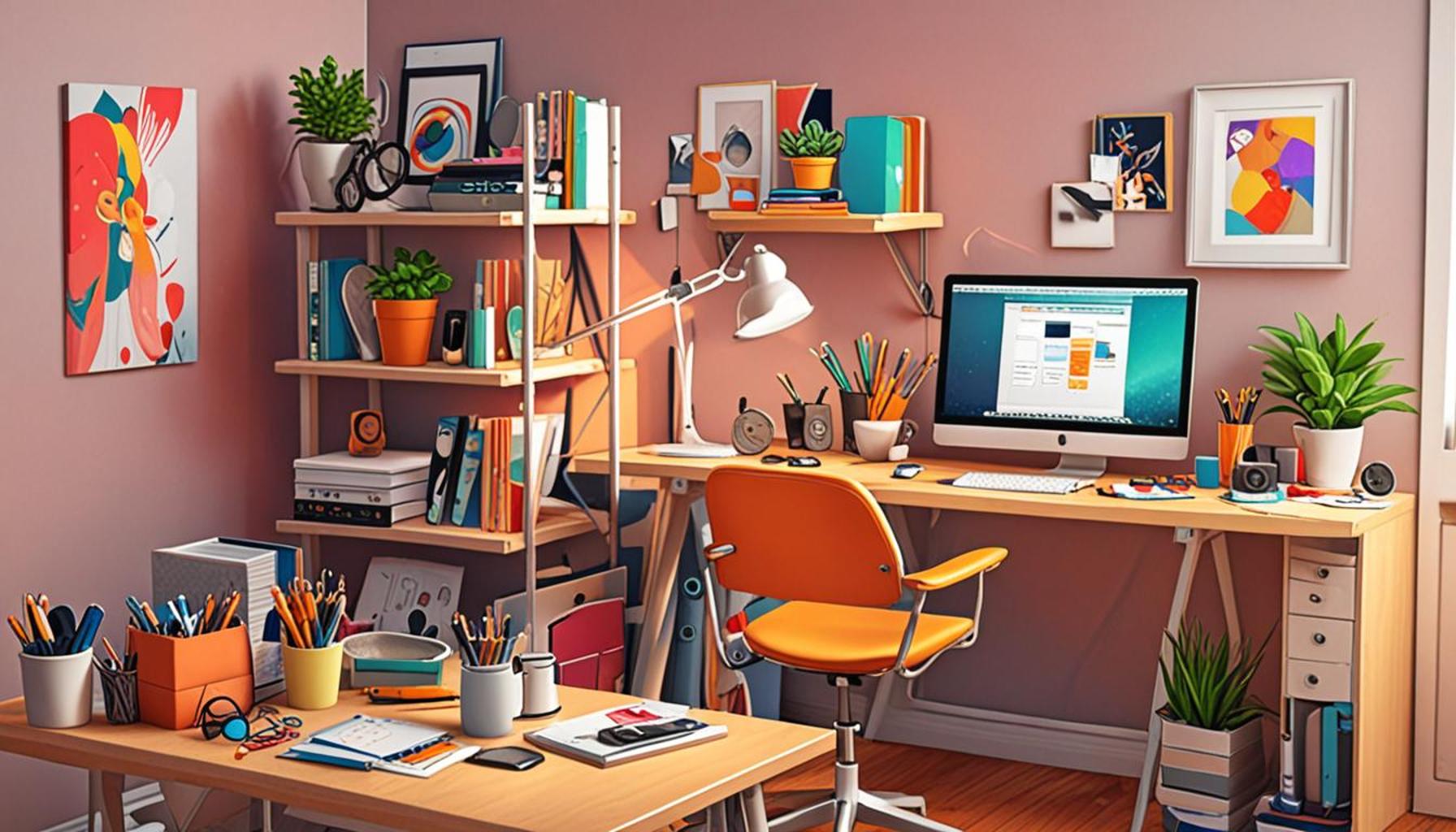
- Make Use of Vertical Space: Utilize shelves or wall organizers to keep surfaces clear. For example, in a home office, shelves can hold books and documents while a pegboard can organize office supplies, keeping your desk uncluttered.
- Declutter Daily: Set aside time each day to tidy up your workspace. Even a quick five-minute clean can help maintain order and prevent the accumulation of debris.
- Create Zones: Designate areas for different tasks to maintain focus. For instance, have one area for computer work, another for brainstorming with sticky notes, and a separate space for meetings or phone calls. This separation can enhance your efficiency and minimize distractions.
As you explore the various approaches to workspace organization, remember that the goal is to create an environment that fosters both productivity and creativity. Adopting these strategies not only aids in your daily tasks but also provides a structured foundation upon which to build your professional aspirations. A well-organized workspace is not just a luxury; it is a necessity in achieving your goals, fueling your motivation, and enabling you to thrive in your career.
DISCOVER MORE: Click here to learn effective decluttering strategies
Organizing Your Workspace for Maximum Productivity
Transforming an ordinary workspace into a powerhouse of productivity requires more than just rearranging furniture or tidying up the desk. It’s about employing targeted strategies that resonate with personal work styles and preferences. Not everyone thrives in the same environment, and recognizing individual needs can lead to profound enhancements in productivity and creativity.
Utilize the “One-In, One-Out” Rule
The “One-In, One-Out” rule is a time-tested principle that can significantly contribute to maintaining a clutter-free workspace. By committing to this method, you ensure that for every new item—be it a notebook, decor, or office gadget—an existing item must be removed. This practice not only combats clutter but also promotes intentionality in your workspace choices, making you more mindful of your belongings. For example, if you decide to purchase the latest ergonomic chair, consider donating or recycling an older one in exchange. This approach not only helps keep your workspace organized but can also foster a sense of accomplishment and responsibility towards your environment.
Color Code Your Files
Color coding your files introduces a visual element to the often monotonous task of document management. By assigning specific colors to different categories—like red for urgent projects, green for finances, and blue for creative ideas—you can streamline your workflow and minimize time spent searching for crucial information. Imagine walking up to a neatly organized file drawer where each color pops, immediately guiding you to the necessary documents. This method not only provides organization but also makes the workspace aesthetically pleasing, enhancing your overall mood.
Digital Decluttering
As remote work becomes more prevalent across the United States, the importance of managing your digital workspace has surged. Digital clutter in the form of overflowing inboxes, confusing desktop icons, and disorganized folders can hinder efficiency. Allocate a specific time each week to sort through your emails and digital files. You can create clear and labeled folders that make sense to your workflow, archiving old documents that no longer serve a purpose while ensuring you don’t miss important deadlines or communications. This strategy can lead to a more streamlined process, allowing for increased focus on the tasks at hand.
Adopt a Minimalist Mindset
Embracing a minimalist approach towards your workspace can yield powerful results. Assess each item on your desk and consider its importance to your daily tasks. The question—does this item truly serve a purpose or inspire me?—is vital. Stripping down to the essentials can create a serene environment that calms the mind, enabling greater focus and unleashing creative potential. For instance, keep only essentials like a notepad, a few pens, and your computer on the desk, removing distractions such as surplus knick-knacks or outdated technology.
Ultimately, adopting these organizing strategies will lead you towards a workspace that is not only functional but also inspiring. A well-organized environment promotes better time management and fosters creative exploration. Moreover, the benefits of decluttering transcend aesthetics; they also contribute to mental clarity and a healthier work-life balance. As you incorporate these techniques into your workspace, remember the key goal: to cultivate an atmosphere that supports your personal and professional achievements, paving the way for success while enjoying the journey.
| Decluttering Techniques | Effects on Productivity |
|---|---|
| The 5S Method | Improves efficiency by creating organized workspaces with clearly defined areas. |
| Digital Decluttering | Reduces distractions, enabling better focus and quicker access to important files. |
| Minimalism | Promotes clarity and creativity by eliminating unnecessary items and visual clutter. |
| Regular Time-Outs | Encourages a refreshed state of mind, leading to enhanced innovative thinking. |
Delving deeper into effective decluttering strategies illuminates various methods that can adapt to different workspace environments. One approach, known as the 5S Method, not only fosters cleanliness but instills a sense of discipline in maintaining organized workspaces. By implementing this method, workers find tangible improvement in their efficiency and workflow.Another crucial domain is digital decluttering. In this age of information overload, managing files and reducing screen distractions can uplift focus significantly. Digital tools designed for organizing digital resources can lead to quicker access to essential documents, enhancing overall productivity.Moreover, embracing a minimalist approach has profound effects. By removing non-essential items, individuals can create a clearer visual landscape, which directly correlates with heightened creativity and an invigorated work environment.Finally, integrating regular breaks—often referred to as time-outs—can refresh one’s mind and facilitate a boost in innovative thinking. Each of these techniques offers foundational benefits that support the ultimate goal of enhancing productivity while fostering creative outcomes in workspaces.
DISCOVER MORE: Click here to learn about the emotional effects of decluttering</a
Enhancing Creativity Through Workspace Organization
While productivity is often a primary focus when considering workspace organization, it’s equally important to foster an environment that encourages creativity. Clutter can restrict innovative thinking, and by implementing strategic decluttering methods, you can create a haven that nurtures your creative instincts.
Incorporate a Personal Touch
Personalizing your workspace can significantly enhance creativity. Surround yourself with items that inspire you—be it artworks, photos, or motivational quotes. However, the key lies in maintaining a balance. Too many personal items can lead to visual clutter. Aim for a few select pieces that spark joy or motivate you. A desk adorned with a vibrant painting or a framed photo from a memorable trip can serve as a source of inspiration during creative endeavors. Additionally, studies suggest that personal touches can also reduce stress and enhance job satisfaction, which ultimately leads to a more productive work mindset.
Create Defined Zones
Establishing distinct zones within your workspace can help delineate areas for specific tasks, thus boosting both focus and creativity. For instance, allocate a space for brainstorming—equipped with whiteboards, sticky notes, and markers—and another for executing tasks, with a clean desk setup and current projects readily available. By clearly designing these zones, you can seamlessly transition between various modes of work without losing momentum. This structure not only streamlines workflow but also cultivates a creative atmosphere where innovative ideas can flourish.
Implementing Technology Wisely
In an era where technology plays a crucial role in how we work, organizing digital tools is just as important as physical ones. Utilize productivity apps such as Trello or Asana to keep track of tasks without overwhelming your digital workspace. Additionally, consider automating repetitive tasks with tools like Zapier or IFTTT, allowing more mental bandwidth for creative thought. Such technology solutions, when organized properly, can enhance efficiency and creativity by minimizing distractions and enabling you to focus on generating new ideas.
Incorporate Plants for Inspiration
Integrating plants into your workspace isn’t merely an aesthetic choice; it can profoundly enhance both productivity and creativity. Numerous studies reveal that greenery can boost mood, reduce stress, and even improve cognitive function. Consider placing succulents or low-maintenance plants on your desk or windowsill. The presence of natural elements creates a calming atmosphere, which can stimulate creative thinking. Moreover, caring for these plants can provide a refreshing break from work and help rejuvenate your mind, allowing for better focus and inspiration when you return to your tasks.
Regularly Schedule Decluttering Sessions
Sustaining an organized workspace requires intentional effort. Establish a routine that includes regular decluttering sessions—perhaps at the end of each week or month—to assess what items you truly need. This proactive approach not only keeps your workspace neat but also allows for reflection on how your work patterns and needs may have evolved over time. Create a checklist for these sessions, identifying areas in your workspace that seem cluttered or unproductive, allowing you to systematically address them.
By weaving these strategies into your daily routine, the transformation of your workspace can result in an invigorating environment that not only promotes productivity but also unlocks untapped creative potential. Remember, the goal is to shape an environment that reflects your unique working style while fostering inspiration and clarity, enhancing both professional success and personal fulfillment.
DISCOVER MORE: Click here to dive deeper
Conclusion: The Power of an Organized Workspace
In a world where distractions abound and workloads continuously grow, organizing workspaces through effective decluttering strategies has never been more crucial. A well-structured workspace can serve as the foundation for enhanced productivity and renewed creativity. By making thoughtful choices about what to keep and what to remove, you are not just creating a cleaner environment; you are fostering a mental space that encourages innovation and focus.
From incorporating personal touches that inspire to defining various zones for distinct tasks, your workspace can become a dynamic hub of creativity. Additionally, leveraging technology wisely and including natural elements like plants can further invigorate your environment. Remember, the goal is not to simply declutter but to create a personalized sanctuary that resonates with your work style and aspirations.
As you embark on this journey of workspace organization, consider scheduling regular decluttering sessions to adapt to your evolving needs. This proactive approach not only maintains order but also enhances your overall well-being. Whether you are working from home or in a traditional office setting, an organized workspace can significantly impact your ability to generate ideas, solve problems, and achieve goals.
Ultimately, a well-organized workspace is more than just aesthetics; it’s a catalyst for increased productivity and sustained creativity. Take the time to refine your environment—it might just be the change you need to unlock your fullest potential.