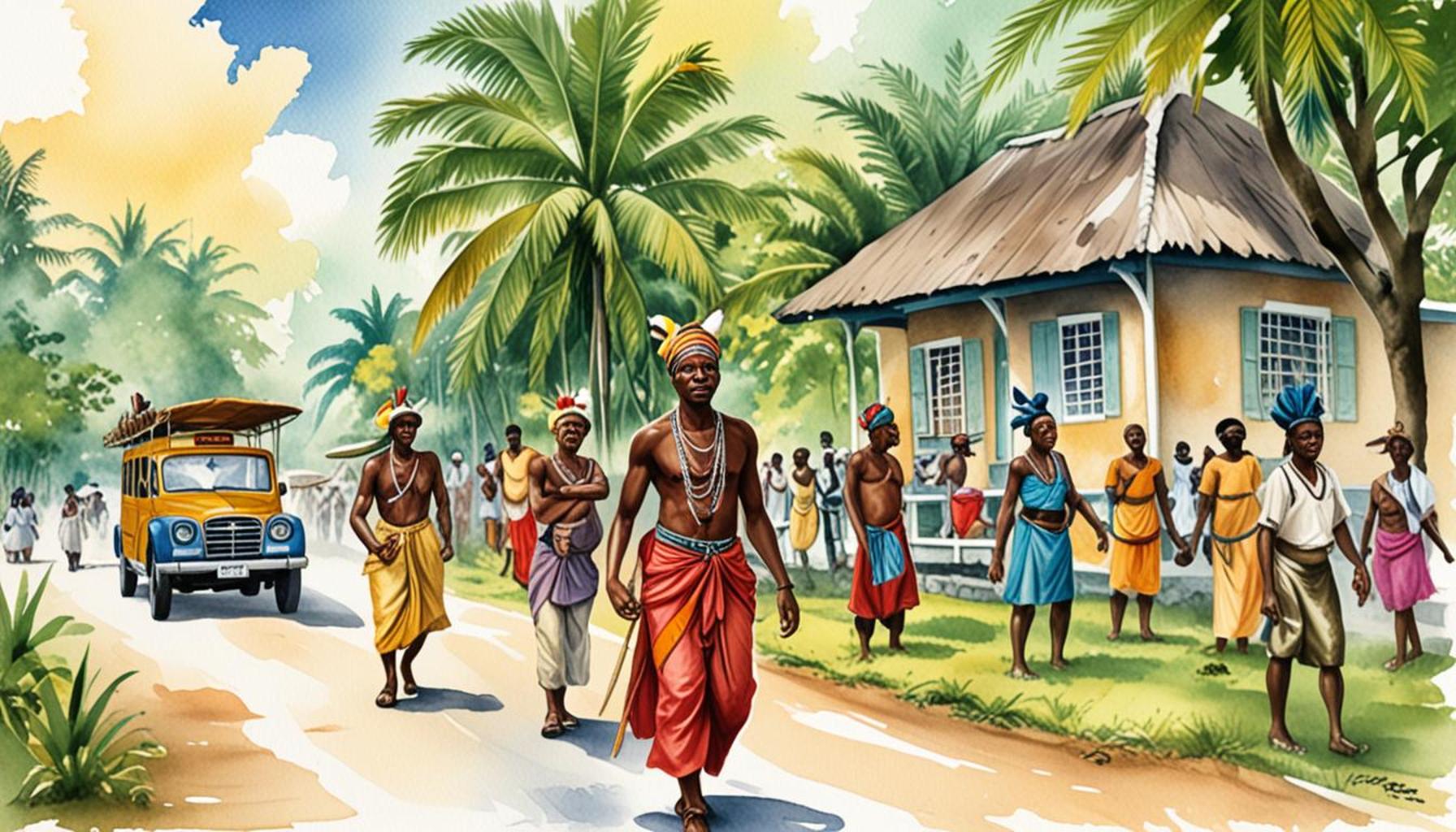
Rhythms and Flavors: A Cultural Itinerary through Abuja and Its Traditions

Discover the Heartbeat of Abuja
In the bustling capital of Nigeria, Abuja pulsates with a vibrant mix of traditions and flavors. This city stands as a testament to the rich tapestry of culture that defines the nation, inviting both locals and visitors to explore its unique heritage. Abuja was named the capital of Nigeria in 1991 and has since evolved into not just a political hub, but a cultural landmark that highlights the diverse ethnic groups in Nigeria.
From the friendly markets to the rhythmic sounds of traditional music, Abuja offers an enticing blend of experiences that showcase its diversity. The capital is home to a confluence of different cultures, which is vividly displayed in its culinary scene, artistic expressions, and various festivals. Key features of this cultural journey include:
- Food Experiences: Savor the local cuisines, from the spicy jollof rice, a West African staple that is a must-try, to the savory suya, which is spiced grilled meat popular for its smoky flavor. Food enthusiasts will find delightful street vendors offering mouth-watering dishes at every turn, while fine dining establishments serve gourmet renditions of traditional meals. For a unique experience, try local delicacies like eforiri or akara, which reflect the region’s culinary creativity.
- Art and Craft: Explore the galleries and street vendors showcasing traditional Nigerian art. From intricate beadwork and vibrant textiles to stunning sculptures and paintings that depict everyday life and history, the artistic talents of the locals are on full display. The artsy enclave of the Art Twenty One Gallery is a great place to discover contemporary Nigerian art, while bustling markets such as Gwari Market provide a treasure trove of handcrafted goods.
- Festivals: Participate in unique celebrations like the Abuja Carnival that features dance, music, and local cuisine. This annual event serves as a platform to celebrate Nigeria’s cultural heritage, featuring colorful parades, traditional costumes, and performances showcasing various ethnic groups. Other notable events include the Nigeria International Film Festival and the FCT Arts and Culture Festival, drawing both tourists and locals to partake in the vibrant cultural expressions.
As you traverse the city’s hotspots, you’ll uncover Abuja’s history and the stories of its people, each corner revealing different layers of Nigerian culture. The cityscape is marked by notable landmarks such as the breathtaking National Mosque and the magnificent Unity Fountain, which together portray the architectural splendor of the city. Whether you’re a food lover, a music enthusiast, or an art connoisseur, Abuja is sure to leave an indelible mark on your soul.
An Invitation to Connect
This itinerary is more than just a path through the city; it’s an invitation to connect with Abuja’s spirit. Each moment spent exploring the vibrant atmosphere, indulging in the diverse cuisines, and engaging in the arts will deepen your connection with the heart of Nigeria. In this article, we’ll guide you on a remarkable journey that intertwines the rhythms and flavors of this captivating capital. Get ready to experience Abuja like never before, as you engage with its rich history and dynamic culture.
SEE ALSO: Click here to read another article

Culinary Delights: A Taste of Abuja
Abuja’s culinary landscape is a vibrant mosaic of flavors that reflect the rich heritage of Nigeria’s diverse ethnic groups. The city boasts a plethora of eateries, from bustling street stalls to upscale restaurants, each presenting a unique twist on traditional dishes. One of the most celebrated meals you must try is jollof rice, a delightful dish synonymous with West African cuisine. Its winning combination of rice, tomatoes, and spices creates a burst of flavor that captures the essence of Nigerian cooking. Don’t be surprised to discover regional variations that add distinctive touches to this beloved classic.
Another iconic dish, suya, embodies the fusion of flavors that makes Abuja’s food scene so enticing. This spiced grilled meat, often served with sliced onions and spicy pepper sauce, is a favorite among locals and visitors alike. The smoky aroma wafting from suya vendors makes it hard to resist indulging in this savory treat. For a true taste of Abuja, explore the night markets where groups gather to enjoy suya accompanied by cold drinks and the lively chatter of friends and family.
As you navigate the culinary offerings, don’t miss out on local delicacies such as eforiri—a rich spinach dish infused with local spices, and akara, fluffy bean cakes that are perfect for breakfast or as a snack. These dishes not only provide satiation but also serve as a cultural connection to the traditions of various Nigerian tribes.
Exploring Abuja’s Dynamic Arts Scene
Art in Abuja is an embodiment of the city’s multifaceted culture, with numerous galleries, craft markets, and public displays showcasing the talents of Nigerian artists. A visit to the National Museum Abuja reveals the historical artifacts and traditional artworks that narrate the story of Nigeria’s past. Here, you can view the famous terracotta sculptures of Nok culture, which date back over 2,000 years, providing insight into the region’s artistic heritage.
For contemporary expressions, head to the Art Twenty One Gallery, where you can admire a plethora of paintings, sculptures, and installations by renowned and emerging Nigerian artists. This space serves as a platform for all forms of artistic expression and often hosts exhibitions and cultural events that invite community participation.
Street art, too, has found its place in Abuja’s cultural discourse. Local artists have creatively transformed walls of various neighborhoods into visual narratives that reflect everyday life, social issues, and aspirational themes. Engaging with this artistic scene is not only entertaining but also educative, as it showcases the vibrant voices of the community.
As you traverse these culinary and artistic landscapes, it becomes evident that Abuja is not just a city of political significance, but a cultural hub bursting with rhythms and flavors waiting to be discovered. Whether you are indulging in a hearty meal or absorbing the artistic expressions around you, you will surely leave with memories that resonate long after your visit.
| Advantage | Description |
|---|---|
| Cultural Diversity | Exploring Abuja’s rich traditions through its food, music, and festivals showcases the city’s incredible cultural diversity that attracts tourism. |
| Gastronomic Experience | The unique cuisines served at local restaurants offer a sensory journey that reflects the culinary heritage of the various ethnic communities. |
As you navigate through Abuja, each dish and beat tells a story of its people, creating an enriching experience that invites you to learn about their history and customs. The vibrant festivals, which highlight traditional music and dance, synergize the rhythm of life and flavors that define this remarkable city. Thus, when exploring these elements, one discovers not only the essence of Abuja but also the interconnectedness of its traditions and contemporary lifestyle.Visitors seeking a deeper understanding of Abuja will find that each interaction—whether through tasting local delicacies or participating in cultural ceremonies—opens a gateway to preserving the city’s legacy. Engaging with artisans, experiencing traditional ceremonies, and indulging in culinary delights illustrates a living narrative of the capital’s cultural tapestry. As you partake in these experiences, you become a part of Abuja’s ongoing story, inviting further exploration and appreciation of what this vibrant city has to offer.
CHECK OUT: Click here to explore more
The Spirit of Abuja: Festivals and Celebrations
The heartbeat of any culture can often be found in its festivals and celebrations, and Abuja is no exception. This dynamic city is home to a variety of events that showcase the local traditions, music, and arts, drawing participants and spectators from all walks of life. One of the most closely watched celebrations is the Abuja Carnival, a colorful exhibition held annually that brings together different Nigerian ethnic groups. With vibrant parades, traditional dancers adorned in elaborate costumes, and music that often reverberates across the city, this carnival serves as a microcosm of Nigeria’s rich cultural tapestry.
Another notable event is the FESTAC (Festival of Arts and Culture), where artists, performers, and cultural enthusiasts gather to celebrate artistic expression in various forms. From poetry readings to theatrical performances, the festival serves as a platform to promote cultural dialogue and foster a spirit of unity. Food stalls offering a plethora of traditional dishes and contemporary bites punctuate this festivity, creating a sensory experience that complements the artistic showcases.
For those intrigued by the performing arts, the National Theatre Abuja regularly plays host to theatrical productions, concerts, and exhibitions that celebrate both indigenous and contemporary Nigerian culture. Here, the rhythms of Afrobeat and traditional drumming converge, creating an electrifying atmosphere that invites participation and appreciation.
Music: The Fabric of Abuja’s Culture
Music in Abuja is an essential strand of the city’s cultural fabric. Traditional styles such as Juju and Highlife are revered alongside contemporary genres like Afrobeats, which has burgeoned into a global phenomenon. Venues such as Silverbird Galleria and Jazzhole host performances that bring together talented musicians, providing an opportunity for both locals and tourists to revel in live music. Whether it’s an intimate jazz session or a vibrant Afrobeats concert, the energy is palpable and infectious.
Equally compelling is the growing underground music scene, where local artists experiment with sounds and fuse different musical influences. Influencers and producers gather to collaborate and create music that resonates with the youthful spirit of Abuja, offering a fresh take on traditional sounds while addressing contemporary themes.
The rich tapestry of Abuja’s musical landscape extends beyond clubs and formal venues. Traditional drumming circles often take place in local neighborhoods, where the community may come together to celebrate life events or simply enjoy an evening of rhythmic connection. Such gatherings emphasize the importance of community and the role of music in forging strong social bonds.
Cultural Institutions and Their Impact
Abuja is also home to a range of cultural institutions that play a critical role in preserving and promoting the country’s heritage. The Federal Ministry of Information and Culture aims to protect Nigeria’s diverse cultural expressions while fostering an environment that encourages artistic and educational initiatives. Initiatives like workshops, exhibitions, and cultural exchange programs help raise awareness and appreciation for the nation’s traditions among younger generations.
Additionally, the Nigerian Film Corporation nurtures the film industry, providing filmmakers with resources and support to tell stories that reflect the nation’s cultural legacy. The burgeoning Nollywood scene is a testament to the growing investment and interest in local storytelling, with amplifying narratives that resonate globally.
Through vibrant festivals, music that transcends generations, and dedicated cultural institutions, Abuja emerges not just as the political heart of Nigeria but also as a cultural bastion steeped in tradition and creativity. Each experience, from the food you savor to the rhythms you dance to, leaves an indelible mark that encapsulates the spirit of Abuja. Visitors and residents alike are encouraged to engage with these cultural treasures, ensuring that the echoes of the past and present continue to resonate within this dynamic city.
LEARN MORE: This related article may interest you
Conclusion: Embracing the Essence of Abuja
As a vibrant intersection of cultures, Abuja offers a rich cultural itinerary that leaves an indelible imprint on all who explore its diverse offerings. The city pulsates with the rhythms of various festivals, inviting individuals to celebrate unity and heritage through engaging traditions. Events like the Abuja Carnival and FESTAC serve not only as showcases of talent and artistry but also as affirmations of community pride and resilience.
Moreover, the eclectic music scene of Abuja—spanning from traditional Juju to contemporary Afrobeats—creates an electrifying atmosphere that resonates through its streets. Whether enjoyed at famed venues or intimate drumming circles, the music captures the spirit of Abuja, fostering connections through shared experiences. The crucial role of cultural institutions further enhances this dynamic landscape, preserving and promoting Nigeria’s artistic legacy for generations to come.
Ultimately, a journey through Abuja is not just a quest for flavors or rhythms, but a deep dive into the heart of Nigerian identity. By engaging with the city’s traditions, local delicacies, and the powerful narratives they embody, both residents and visitors become part of a larger cultural story. As Abuja continues to embrace its heritage while evolving with the modern world, it stands as a testament to the beauty of cultural diversity and the enduring connections that bind us all.