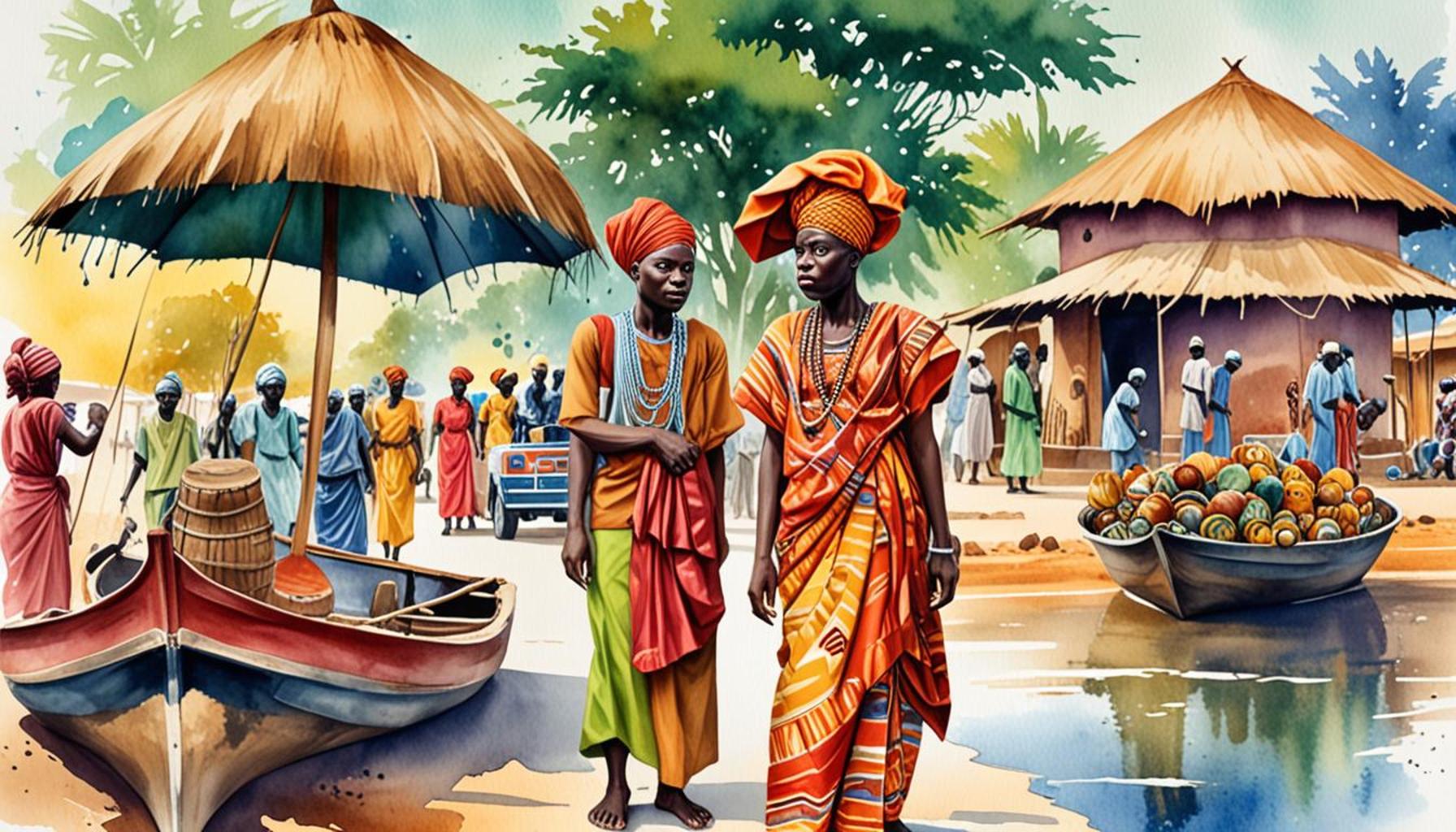
Rural Tourism Itineraries in Nigeria: Exploring Communities and Their Traditions

Discovering the Heart of Nigeria’s Countryside
Nigeria is a tapestry woven with vibrant cultures, traditions, and histories waiting to be uncovered. While its urban centers like Lagos and Abuja draw attention with their bustling atmosphere, the true essence of the country lies within its breathtaking rural landscapes, rich in heritage and community spirit. As global interest in rural tourism continues to thrive, Nigeria stands out with an array of enthralling rural tourism itineraries that promise to immerse travelers in its local customs and lifestyles.
One of the most captivating aspects of rural tourism in Nigeria is the opportunity to discover Traditional Festivals, such as the Osun-Osogbo Festival in Osun State. This annual event celebrates the goddess Osun with vibrant dances, colorful attire, and a deep sense of community. Visitors can witness the mesmerizing rituals and participate, enhancing their understanding of Yoruba spirituality and traditions.
Additionally, tourists can embark on Culinary Adventures, exploring the unique flavors that define Nigeria’s diverse cuisine. For instance, in the southeastern regions, travelers can savor dishes like the aromatic jollof rice or the spicy pepper soup, while learning about the cultural significance of each recipe and how they are intertwined with Nigerian identity. Cooking classes led by local chefs provide a hands-on experience, where participants can gain deeper insights into the cooking techniques and ingredients native to various ethnic groups.
Beyond food, Cultural Workshops offer a profound connection to the art and craftsmanship of rural communities. From pottery in the city of Jos to weaving techniques among the Igbo people, travelers can engage with skilled artisans, gaining a first-hand understanding of traditional crafts that have been preserved for generations. This interaction not only enriches travel experiences but also fosters economic sustainability within local communities.
Exploring regions like the Niger Delta showcases breathtaking natural landscapes and rich biodiversity. Tourists can engage in eco-tourism activities such as bird watching, hiking, and canoeing through serene wetlands, all while appreciating the delicate balance between nature and culture. Likewise, the northern regions, home to the Hausa-Fulani communities, provide an opportunity to experience their rich traditions, music, and the famed Durbar festival, where horses parade in regal displays, celebrating the region’s historical significance.
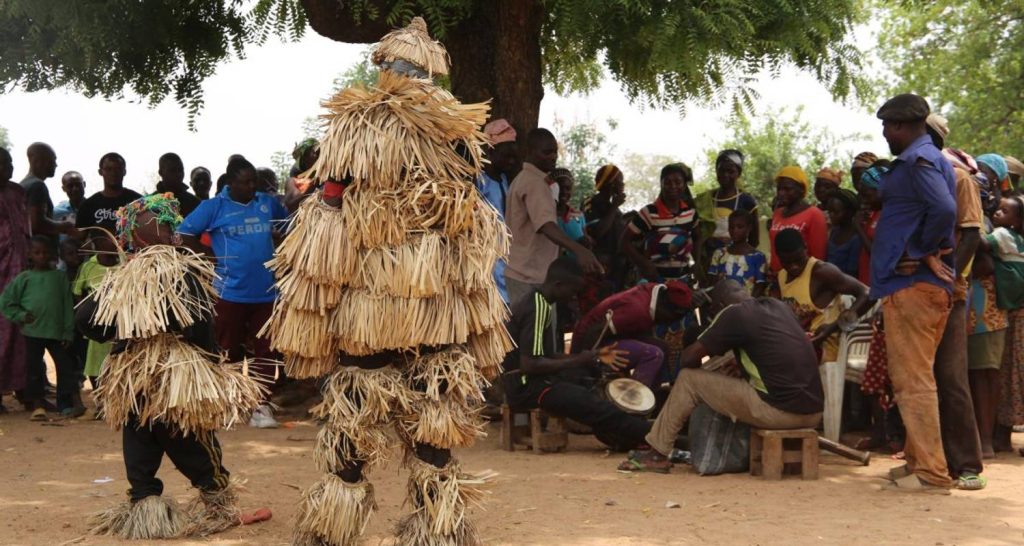
Nigeria is not just a destination; it is a story waiting to be told, filled with a multitude of communities, beliefs, art forms, and experiences that continuously captivate and inspire both locals and visitors alike. By exploring the rural heart of Nigeria, travelers can foster meaningful connections that transcend borders, encouraging a deeper appreciation for the country’s vibrant culture and the people who sustain it. Join us in exploring these hidden gems of Nigeria, where each journey is a passage into the soul of a nation rich in allure and authenticity.
RECOMMENDED: Check out this similar article
Immersive Experiences: The Essence of Rural Tourism
Rural tourism in Nigeria serves as a vibrant portal into the heart of local communities, where age-old traditions meet contemporary experiences. These itineraries are not just about visiting scenic villages; they are about engaging with the very fabric of Nigerian culture, enhancing the travel experience through authentic interactions with local people.
At the core of these rural tourism itineraries are Community Engagement Activities, which allow travelers to participate directly in the lives of the people they visit. In regions like the Middle Belt, tourists can join in traditional farming practices, learning about the agricultural techniques that have been handed down through generations. Tours involve planting, harvesting, and even cooking with the produce, providing a rich educational experience about sustainable farming and food sources.
Moreover, visitors can partake in Craft Markets, where artisans display their handmade goods, from intricate beadwork to vibrant textile creations. These markets not only offer unique souvenirs but also promote the economic welfare of local craftsmen. By purchasing handmade products, tourists contribute to the preservation of cultural heritage and provide necessary support for local artisans to thrive.
- Visit the Pottery Villages of Jos: Engage with local potters who shape beautiful clay works and understand the historical significance of this ancient craft.
- Experience the Igbo Ukwu Museum: Delve into the rich history of the Igbo culture through artifacts and exhibitions that demonstrate their advanced craftsmanship.
- Participate in a Local Harvest Festival: Witness the celebration of the bountiful harvests through music, dance, and communal feasts.
As part of these itineraries, tourists also explore Traditional Healers and their unique approaches to medicine, learning how indigenous plant knowledge is utilized in healing practices. Engaging with these healers provides insight into Nigeria’s traditional medicine system, highlighting the intertwining of culture, spirituality, and health.
Rural tourism also creates awareness and appreciation for various Cultural Rituals that play a significant role in community life. For instance, one can observe initiation ceremonies, weddings, or rites of passage that showcase the profound cultural values rooted in Nigerian society. These events often draw travelers into an enchanting world of folklore, music, and dance, allowing them to experience firsthand the profound stories and traditions that define each community.
Thus, rural tourism itineraries form a compelling narrative that is not only about travel but also about connection—between people, cultures, and landscapes. Visitors can gain a nuanced understanding of Nigeria’s diverse ethnic groups, traditions, and lifestyles, creating memories that linger long after the journey ends. With each itinerary, the spirit of Nigeria’s rural landscape unfolds, revealing a country rich with stories waiting to be discovered.
Engaging with Local Cultures and Traditions
Rural tourism in Nigeria presents a unique opportunity for travelers to immerse themselves in the rich tapestry of local cultures and traditions. Visitors can participate in traditional festivals, which showcase vibrant displays of dance, music, and art, offering deep insights into the community’s values and beliefs. Such events not only foster a sense of connection between tourists and locals but also help preserve age-old customs that might otherwise fade away.
Furthermore, embarking on rural tourism itineraries allows tourists to explore the diverse crafts and culinary practices in these rural communities. By participating in hands-on workshops, visitors learn the intricacies of traditional weaving or pottery-making while savoring local delicacies made from organic ingredients sourced directly from the area. This exchange becomes a meaningful experience, enriching the traveler’s understanding of the region’s history and lifestyle.
The Economic Impact of Rural Tourism
One cannot ignore the economic benefits of rural tourism, which plays a pivotal role in promoting sustainability within these communities. By generating income through tourism, local artisans, farmers, and hospitality providers gain much-needed financial resources to improve their livelihoods. This sustainable economic growth helps offset the outmigration of youth seeking opportunities in urban areas, enhancing community stability.
Moreover, the influx of tourists encourages local governments and organizations to invest in infrastructure development, such as better roads and communication systems. This improved accessibility not only benefits tourists but also enhances the quality of life for residents, making rural areas more attractive for businesses and services.
| Cultural Engagement | Learning Opportunities |
|---|---|
| Involvement in festivals and local crafts | Hands-on workshops in traditional arts |
| Deep connection with local customs | Experiential learning of local traditions |
Through these initiatives, travelers not only experience Nigeria’s stunning landscapes but also witness firsthand the resilience and creativity of its people. This rich interaction with the local populace can spark a newfound appreciation for Nigeria’s cultural heritage and the importance of ensuring its sustainability through responsible tourism practices.
ADDITIONAL INSIGHTS: Expand your understanding here
Bridging Cultures Through Culinary Adventures
Food is often a reflection of a culture’s soul, and in Nigeria, the culinary landscape is as diverse as its people. Rural tourism itineraries invite travelers to venture into the kitchens of local communities, where the preparation of traditional dishes becomes a gateway to understanding cultural nuances. Participating in Culinary Workshops allows visitors to experience firsthand the art of cooking dishes like Jollof rice, Egusi soup, and local delicacies unique to specific regions. These hands-on experiences reveal the significance of communal cooking and family gatherings that are staples in many Nigerian homes.
Travelers who join in these culinary adventures not only learn recipes but also the stories behind them—how certain spices were introduced, the impact of colonial influences, and the adaptation of indigenous ingredients. For instance, a visit to the Yoruba food festival can provide insights into how different tribal influences blend to create a rich tapestry of flavors and cooking methods.
Moreover, the itineraries often highlight the importance of Food Sustainability. Visitors are encouraged to understand the local agricultural practices that contribute to the food systems, showcasing initiatives that promote sustainable farming. This dual focus on food and sustainability builds a deeper appreciation for the local environment and its resources.
Exploring Festivals: A Celebration of Diversity
Nigeria is a nation teeming with vibrant festivals that celebrate its rich cultural heritage. Participating in these events provides an unparalleled opportunity to witness Ritual Performances and traditional arts that are integral aspects of local communities. For instance, the Osun-Osogbo Festival, an annual event in Osun State, attracts visitors who wish to partake in the spiritual and cultural traditions of the Osun River goddess. This festival offers colorful processions, dances, and the creation of art, allowing travelers a glimpse into the local belief systems and communal identities.
Similarly, the Argungu Festival is a remarkable attraction in Kebbi State, celebrated with fishing competitions and cultural displays that span several days. Here, tourists can embrace the beauty of unity among communities while enjoying traditional dances, music, and sporting events, all contributing to the cultural narrative of Nigeria.
Nature Trails and Ecotourism Initiatives
Rural tourism in Nigeria is not limited to cultural experiences; it also embraces the natural beauty and biodiversity of the regions. Eco-conscious travelers can embark on Nature Trails in national parks, such as Afi Mountain Wildlife Sanctuary in Cross River State, perfect for spotting rare species like the drills and the Cross River gorilla. These trails not only provide an escape into nature but foster environmental stewardship among visitors.
Furthermore, rural tourism itineraries often incorporate Community-Based Ecotourism initiatives, where local communities are trained as guides, enabling them to share their knowledge of the flora and fauna. This model empowers locals economically and educates travelers about the significance of biodiversity conservation.
As travelers navigate through these diverse itineraries, they create a mosaic of experiences that celebrate the essence of Nigeria’s myriad cultures, traditions, and the breathtaking beauty of its rural landscapes. Engaging deeply with local practices offers insights into not only the unique heritage but also the shared humanity that connects us all. Each rural tourism itinerary aims to bridge visitors with communities, fostering respect and understanding across cultural divides while galvanizing economic benefits for the local populace.
ADDITIONAL INSIGHTS: Expand your understanding here
Conclusion: A Journey into Nigeria’s Cultural Heart
Rural tourism in Nigeria presents a unique opportunity for travelers to immerse themselves in the rich tapestry of the nation’s communities and traditions. From the bustling culinary workshops that celebrate local flavors to vibrant festivals that showcase age-old rituals, each itinerary promises a profound engagement with the diverse heritage of Nigeria. Visitors can witness firsthand the essence of communal living and shared stories that shape the cultural identities of various tribes.
The fusion of ecotourism initiatives allows travelers to also reconnect with nature, exploring breathtaking landscapes while learning about sustainable practices that protect the environment. By embedding the principles of community-based tourism, these itineraries empower locals, fostering economic growth and ensuring that the communities benefit directly from tourism. This approach not only preserves cultural heritage but also cultivates a sense of ownership and pride among inhabitants.
Ultimately, rural tourism in Nigeria transcends mere travel; it becomes a doorway to understanding the complexities of communal life, traditions, and the shared humanity that binds us. By choosing to explore these rural itineraries, travelers become part of a movement that elevates cultural appreciation and supports local economies. As you plan your next journey, consider embracing the enriching experiences that await in Nigeria’s rural heartland. Dive into the culture, connect with its people, and contribute to the sustainability of its rich traditions. The stories of Nigeria are endless, and your adventure could be the beginning of discovering them anew.