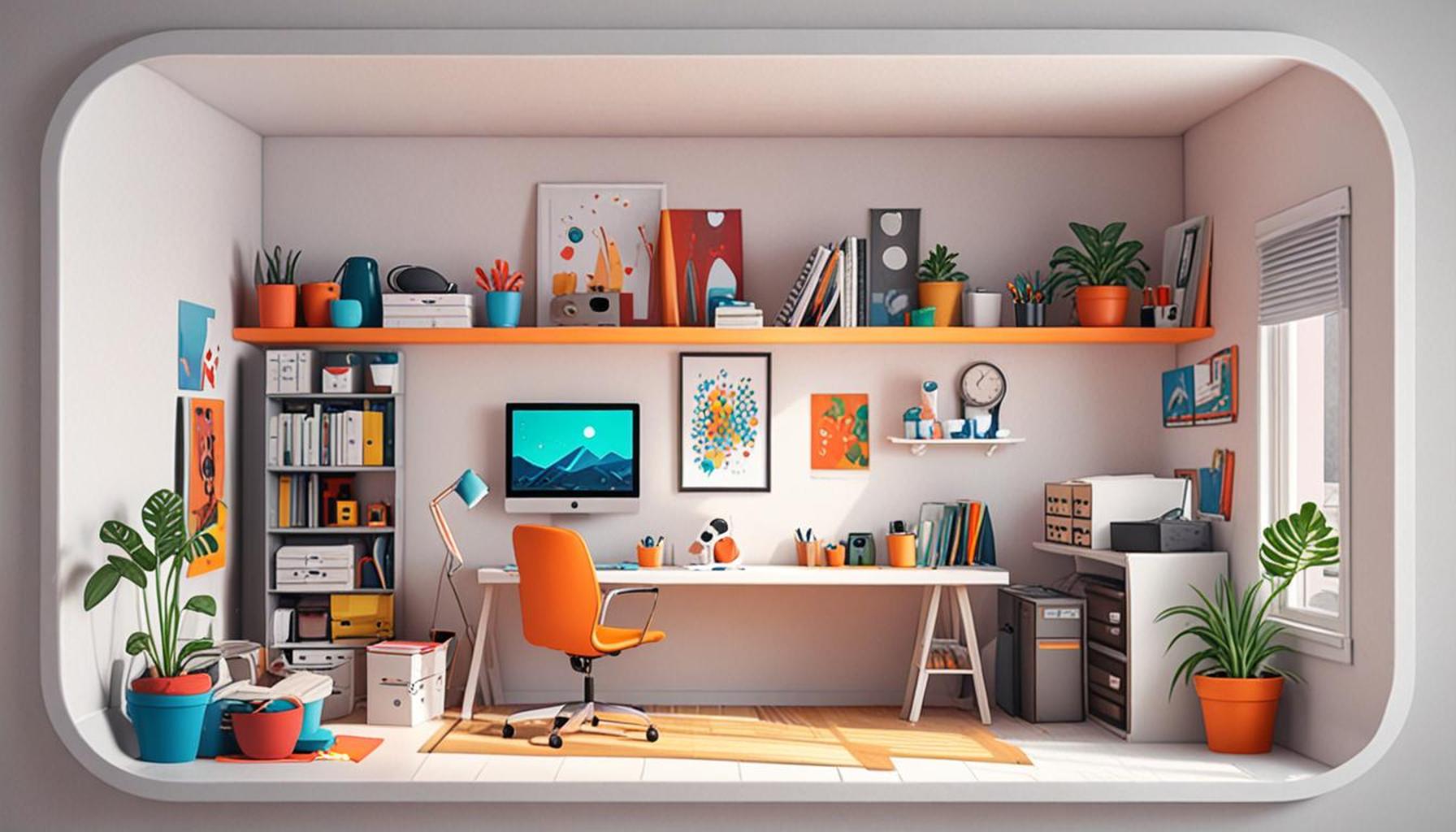
Space and Mind: How Minimalist Organization Affects Psychological Well-Being

Understanding the Impact of Space on Mental Health
In today’s fast-paced world, the connection between our surroundings and mental health is more significant than ever. Understanding how minimalist organization influences our psychological well-being can lead to a more fulfilling life. A clean, organized space often translates to a clearer state of mind, allowing room for thoughtfulness and creativity.
Key Benefits of Minimalism
Research shows that minimalism can produce various psychological benefits, including:
- Reduced Anxiety: Clutter can overwhelm the senses, triggering feelings of anxiety. A minimalist approach, which emphasizes simplicity and order, fosters a sense of calm. In studies, individuals living in cluttered environments reported higher stress levels compared to those in organized spaces.
- Improved Focus: A chaotic environment is rife with distractions that can hinder our ability to concentrate, whether at work or home. Minimalist strategies, such as organizing your workspace or reducing visual stimuli, can enhance focus, allowing for better performance and productivity.
- Enhanced Creativity: Paradoxically, a simplified environment often sparks innovation and fresh ideas. The freedom that comes from surrounding oneself with fewer items can lead to a more mentally open space, encouraging creativity. Many successful entrepreneurs report that they thrive in minimalist settings, which unclutter their minds and foster new perspectives.
Consider, for example, the impact of a tidy workspace versus a cluttered desk. Professionals in various industries have transitioned to minimalist living as a direct response to the debilitating stress and uncertainty prevalent in modern society. By organizing our spaces, we not only create a more aesthetically pleasing environment but also pave the way for improved mental clarity and emotional stability.
Exploring Minimalism Further
This article will delve into how the principles of minimalist organization can transform your mental landscape. We will examine practical tips for decluttering, such as the popular 30-day decluttering challenge or the KonMari Method, which encourages individuals to keep only items that “spark joy.” Furthermore, we will discuss the psychological theories behind these changes, including how minimalist living aligns with the principles of cognitive behavioral therapy.
Understanding the relationship between space and mental health opens doors to a healthier mind and a more balanced life. Studies indicate that Americans who embrace minimalism often report higher levels of satisfaction in various life domains. By reevaluating our possessions and the physical spaces we inhabit, we can improve our overall mental health and well-being.

Ultimately, the journey towards minimalism is not merely about reducing material items but about fostering a deeper awareness of our surroundings and their profound impact on our mental state. As more individuals recognize the mental health benefits of a minimalist lifestyle, it is clear that organization and simplicity can indeed lead to a happier, more fulfilled life.
DISCOVER MORE: Click here to enhance your mental clarity
The Connection Between Clutter and Cognitive Functioning
As we delve deeper into the concept of minimalist organization, it becomes crucial to understand the underlying science that connects our physical environments to our cognitive functioning. Numerous studies reveal that the presence of clutter can significantly impair one’s ability to process information and make decisions effectively. When individuals are surrounded by too many distractions, their brains become overloaded, which can lead to what psychologists refer to as cognitive dissonance.
This phenomenon occurs when competing thoughts or stimuli create mental conflict, resulting in heightened stress and anxiety. An overwhelming accumulation of items can remind individuals of tasks they haven’t completed or responsibilities they have yet to address, leading to a perpetual state of distraction. By adopting a minimalist approach, individuals can significantly reduce this cognitive overload.
Understanding the Psychological Mechanisms
Several psychological mechanisms explain why achieving a minimalist organization can greatly enhance psychological well-being:
- Visual Clarity: When a space is organized and aesthetic, the visual clarity reduces cognitive load. The brain does not have to work as hard to filter out unnecessary distractions, allowing for sharper focus and deeper thinking.
- Emotional Stability: An organized environment often reflects inner order. When our surroundings are neat, it sends a message to our brains that we are in control, leading to enhanced emotional stability. Conversely, a cluttered environment can induce feelings of chaos and helplessness.
- Sense of Accomplishment: Engaging in decluttering can be an empowering experience. As individuals see immediate results from their efforts, it cultivates a sense of achievement and promotes a positive emotional state. This can foster motivation for further organizational tasks, creating a virtuous cycle of productivity.
For many, the act of decluttering is akin to shedding an emotional burden. The very process of deciding what to keep and what to let go can promote introspection, enabling individuals to confront their feelings about material possessions. This self-examination often leads to profound insights, propelling personal growth and improvement.
Practical Steps Toward Minimalist Living
Embarking on a minimalist journey doesn’t have to be daunting. Simple steps can lead to significant changes in psychological well-being. Techniques such as the “one in, one out” policy, where for every new item acquired, an old item is discarded, helps maintain a balanced and manageable living space. Additionally, incorporating simple habits like regular assessments of belongings can ensure that clutter does not creep back in.
The effects of a minimalist approach extend beyond the personal realm. As communities and workplaces begin to embrace simpler environments, the broader implications for collective mental health and productivity become clear. Engaging in minimalist organization initiates a ripple effect, benefiting not just individuals but also families, teams, and communities at large.
In a society that often measures success by the quantity of possessions, adopting a minimalist mindset can serve as a powerful counter-narrative, emphasizing quality of life over accumulation. Ultimately, the journey toward minimalist organization is one filled with opportunities for renewal, clarity, and enhanced psychological well-being.
Exploring the Psychological Impact of Minimalism
In today’s fast-paced world, the clutter that surrounds us can significantly impact our psychological well-being. Minimalist organization is not merely a trend; it is an effective strategy to enhance mental clarity and reduce stress. A well-organized space fosters tranquility, allowing individuals to focus and engage more meaningfully in their tasks. Research shows that when we eliminate physical disarray, we create a sense of order that translates into improved cognitive function.
The Connection Between Space and Mental Clarity
Minimalist living emphasizes the importance of intentionality in our environments. By curating our belongings and being selective about what we allow into our spaces, we can cultivate an atmosphere that reflects our values and goals. This thoughtful approach minimizes distractions and helps us prioritize what truly matters. Studies reveal that individuals with less clutter experience increased productivity and higher levels of creativity.
Emotional Benefits of a Minimalist Environment
Furthermore, a simplified living space can lead to profound emotional benefits. Many find that decluttering can evoke feelings of accomplishment and satisfaction. It serves not just as a physical process, but as a metaphorical one, offering a fresh start or a regained sense of control in one’s life. This transition can be particularly beneficial for individuals dealing with anxiety or stress, as it actively contributes to a more peaceful mindset.
Conclusion: A Pathway to Well-Being
In summary, the impact of minimalist organization on our psychological state is profound. By embracing simplicity, we can unlock a pathway to greater mental clarity and emotional stability. The benefits of minimalism extend beyond just aesthetics; they touch on the very core of our psychological health, encouraging us to design spaces that reflect our inner values and promote overall well-being. As we continue to explore the intersection of space and mind, the essential question remains: how can we further facilitate an environment that nurtures our wellness?
| Psychological Impact | Benefits of Minimalist Organization |
|---|---|
| Enhanced Focus | Reduction in distractions leading to improved productivity. |
| Emotional Tranquility | A calmer environment contributes to lower levels of anxiety and stress. |
| Sense of Accomplishment | Decluttering can evoke satisfaction and motivate further positive changes. |
| Increased Creativity | A clutter-free space enhances creative thinking and problem-solving abilities. |
DIVE DEEPER: Click here to discover time management techniques that truly matter
The Societal Shift Towards Minimalist Organization
The growing conversation around minimalist organization is not just a trend; it reflects a significant societal shift in how we perceive our environments and the impact on our mental health. A report from the National Institute of Mental Health suggests that cluttered spaces correlate with higher levels of stress and anxiety. As urbanization continues to influence American lifestyles, many are finding solace in the simplicity of minimalism, recognizing that our surroundings play a pivotal role in our psychological well-being.
Mindfulness and Intentional Living
One key aspect of minimalist organization is its relationship with mindfulness—a practice that involves being fully present and engaged with the moment. By curating our belongings and environments intentionally, individuals begin to cultivate a mindful approach to living. Research has indicated that mindfulness practices can significantly reduce stress, enhance focus, and improve emotional regulation. Therefore, a minimalist space fosters mindfulness by encouraging intentional choices regarding the items we let into our lives.
This intentional living extends beyond mere organization. It fosters relationships with belongings that resonate with personal values and aspirations. For instance, the “KonMari Method,” popularized by Marie Kondo, emphasizes keeping only items that “spark joy.” This principle not only encourages decluttering but also prompts introspection and gratitude towards possessions, thereby enhancing satisfaction and contentment in life.
Digital Minimalism: Organizing the Virtual Space
In today’s hyper-connected world, the concept of minimalism is also making waves in the digital realm. With overwhelming notifications, emails, and endless scrolls through social media feeds, our virtual spaces can easily become just as cluttered as our physical environments. The practice of digital minimalism, advocated by thinkers such as Cal Newport, suggests reducing digital distractions to improve focus and mental health. By simplified online spaces—such as cleaning out unused applications, curating social media feeds, and setting specific times for device usage—individuals can experience a notable enhancement in their overall mental well-being.
In essence, addressing both physical and digital clutter speaks to the holistic nature of minimalism. A study from the American Psychological Association shows that individuals who actively engage in organizing both their physical and digital environments report higher levels of productivity and decreased feelings of overwhelm. This connection underscores that minimalism is not merely about the “stuff” but encompasses our entire way of interacting with the world around us.
The Benefits for Families and Workplaces
The ripple effects of minimalist organization are profound, particularly within family dynamics and workplace settings. Families that embrace minimalism often find improved communication and collaboration, as a decluttered space fosters a more peaceful and inviting atmosphere. For children, growing up in a simplified environment encourages creativity and frees them from the distractions of excess, aligning with studies that highlight the importance of mental clarity in child development.
In workplaces, companies are increasingly recognizing the psychological benefits of minimalist design. Open office designs that champion clear spaces reduce stress and enhance productivity. A clean, organized workspace has been linked to improved mental health among employees, promoting a culture of focus and creativity. As businesses adapt to these approaches, it becomes evident that minimalist organization not only aids individual well-being but also contributes to collective success.
DISCOVER MORE: Click here to delve deeper
Conclusion: Embracing Minimalism for Enhanced Psychological Well-Being
The connection between our physical environments and psychological well-being has never been clearer than in the age of minimalism. As we’ve explored, minimalist organization is not just a personal aesthetic but a pivotal shift toward fostering healthier mental states. With evidence from studies linking clutter to increased stress and anxiety, it becomes crucial to recognize the impact of both our physical and digital spaces on our mental clarity.
By adopting practices that emphasize mindfulness and intentional living, individuals can cultivate environments that promote focus, creativity, and emotional stability. Strategies such as the “KonMari Method” and digital minimalism illustrate that the journey to a simpler life involves more than mere decluttering; it presents an opportunity for self-reflection and value alignment. As families and workplaces embrace these principles, the benefits ripple outward, enhancing communication, collaboration, and overall productivity.
Ultimately, the minimalist approach serves as a reminder that our environments shape our thoughts and feelings. In our fast-paced world, where distractions abound, investing time and energy into creating organized, meaningful spaces can significantly uplift our mood and mindset. As you contemplate your surroundings, consider how a commitment to minimalism could transform not just your space, but your well-being as well. Take the first step toward a clearer mind and a fulfilling life by reassessing what truly matters in your environment.