Space and Serenity: How Managing Minimalist Spaces Contributes to Mental Well-Being
Understanding the Impact of Minimalism on Mental Health
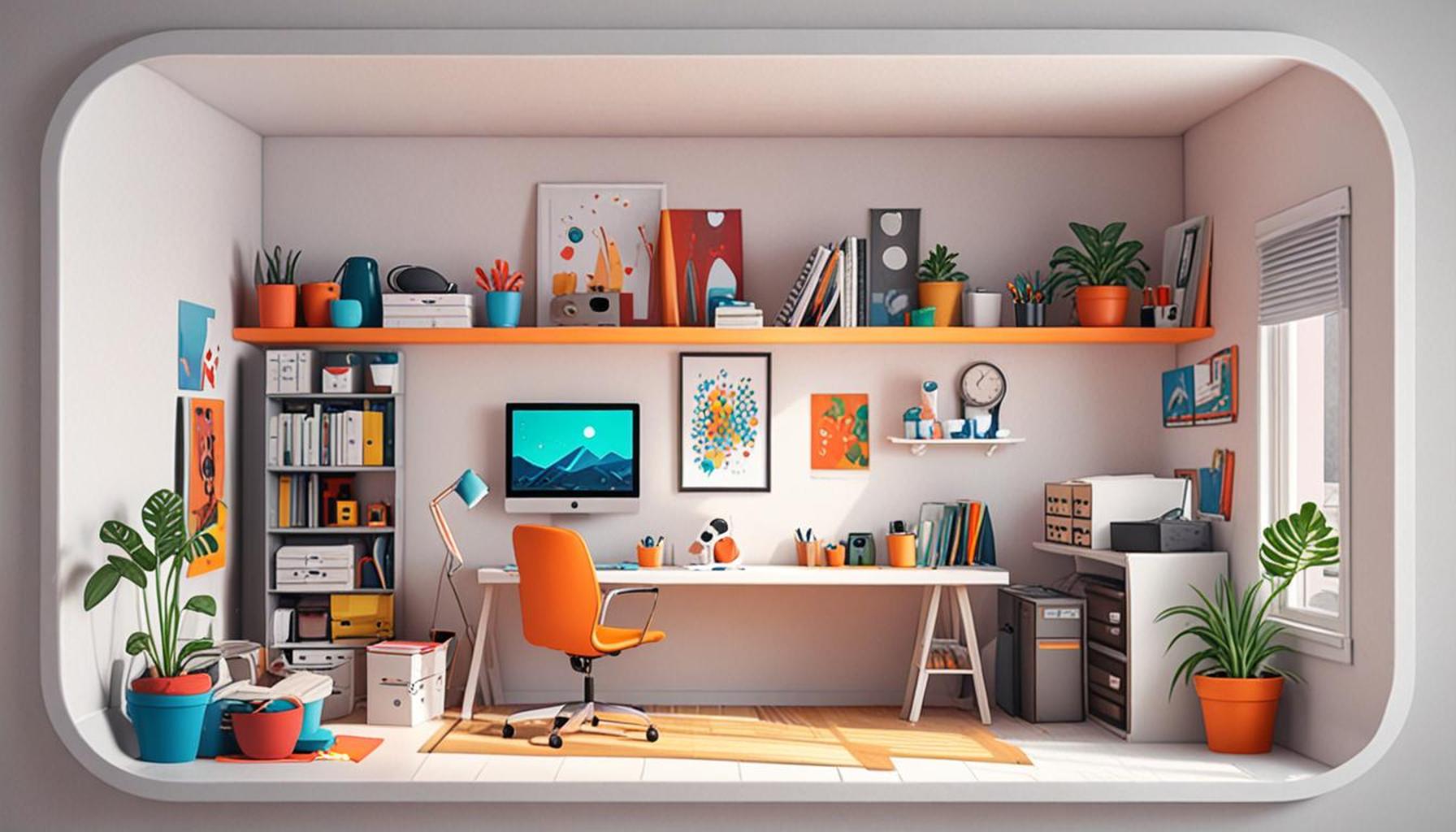
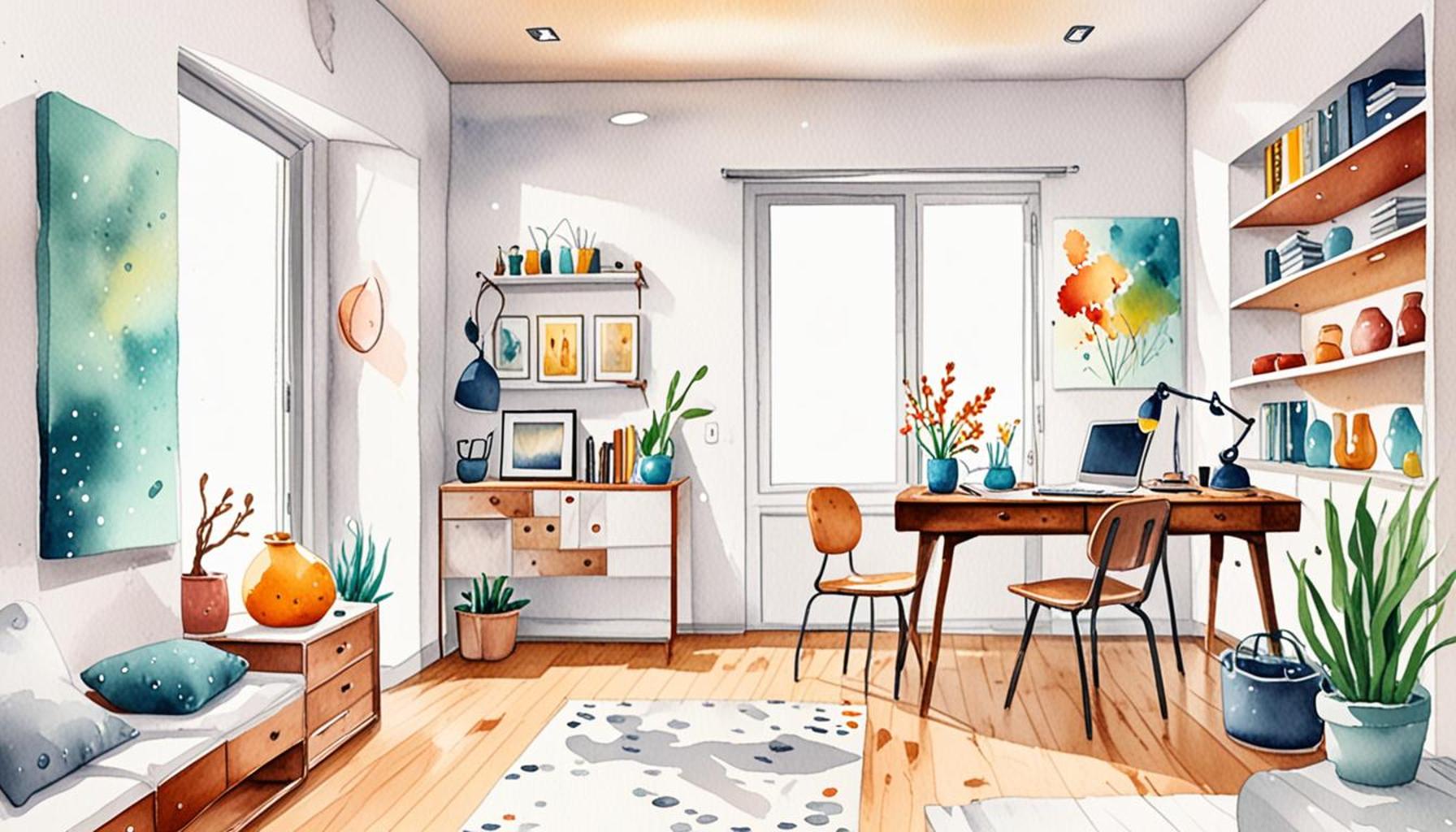
In an era defined by constant connectivity and relentless distractions, the pursuit of mental well-being has become a pressing concern for many individuals. The modern lifestyle, with its overflowing schedules and information overload, often leaves people feeling overwhelmed. Interestingly, one effective solution that individuals across the United States are increasingly exploring is the idea of managing minimalist spaces. Embracing simplicity and minimalism can lead to profound transformations not only in our physical environments but also in our mental landscapes.
Minimalism transcends mere design aesthetics; it represents a philosophy aimed at enhancing quality of life. The benefits of adopting a minimalist approach are numerous and multifaceted. For instance:
- Reduced clutter: A tidy environment often translates to a less distracted mind. Studies have shown that when our living or working spaces are clutter-free, we experience less cognitive overload, allowing our thoughts to flow more clearly and effortlessly.
- Enhanced focus: By minimizing visual stimuli, individuals can maintain and improve their concentration levels. In workplaces across America, many professionals are finding that fewer distractions from their surroundings lead to increased productivity and efficiency.
- Improved mood: Open spaces are known to evoke feelings of tranquility. People report decreased anxiety levels in minimalist settings, as the openness and lack of excess can create a comforting environment conducive to relaxation and peace.
Psychologists stress that our physical surroundings play a crucial role in shaping our mental states. For example, in urban settings like New York City or Los Angeles—where chaos often reigns—cultivating minimalist spaces can provide a much-needed sanctuary. By implementing minimalist principles, individuals have the opportunity to create environments that prioritize serenity and encourage self-reflection.
This exploration into the psychological benefits of minimalism reveals how intentional management of our surroundings can cultivate clarity and enhance overall well-being. As the popularity of minimalism grows, practical strategies are becoming increasingly accessible. These include decluttering regularly, curating meaningful objects, and designing spaces that maximize natural light. Such approaches promote not only an appealing aesthetic but also foster a deeper sense of fulfillment amidst the hustle and bustle of life in America.
Ultimately, embracing minimalism is about making conscious choices that lead to enhanced clarity and tranquility. By taking steps to simplify our environments, we can pave the way for a more serene mind, which in turn can contribute to a healthier, more balanced life.
DISCOVER MORE: Click here to learn how to simplify family life
The Psychology of Space: Creating a Calm Environment
To understand how managing minimalist spaces contributes to mental well-being, we must first delve into the psychology of space. Our environments—whether at home, in the office, or even public spaces—have a profound impact on our feelings and thought processes. Research has shown that our surroundings can influence mood, motivation, and stress levels. Thus, cultivating a minimalist environment is not merely an aesthetic choice, but a psychological strategy aimed at enhancing overall mental health.
One of the fundamental principles of minimalism is the concept of space as a psychological balm. When we enter a decluttered area, we are met with an immediate sense of relief. According to studies from the American Psychological Association, cluttered environments are linked to increased levels of stress and anxiety. This correlation suggests that by reducing clutter, we can lessen the symptoms of overwhelm. For a practical example, take the open floor plans increasingly adopted in urban offices. These designs not only offer a chic appearance but also foster a collaborative atmosphere and minimize distractions—encouraging creativity and focus among employees.
Moreover, the use of color in minimalist spaces can further enhance mental well-being. Neutral tones, such as whites, grays, and beiges, are often chosen for their calming properties. A study conducted by the Journal of Environmental Psychology found that people in environments painted in soothing colors exhibit lower anxiety levels. By incorporating these hues into minimalist design, individuals can create sanctuaries that promote relaxation, making the home or workspace a refuge from the often hectic pace of modern life.
In practical terms, minimalist spaces should focus on essential elements that evoke a sense of peace. Consider the following strategies to cultivate serenity in your surroundings:
- Declutter Regularly: Set aside time weekly to assess your belongings and remove items that no longer serve you. A fresh environment can significantly improve your mood and mental clarity.
- Curate Meaningful Decor: Fill your space with objects that inspire you or bring joy rather than items accumulated out of obligation or trend.
- Emphasize Natural Light: Maximize sunlight in your living area. Natural light has been shown to reduce feelings of depression and increase overall happiness.
- Incorporate Nature: Adding plants or natural elements can enhance space and promote a sense of peace, creating a biophilic connection that soothes the mind.
Understanding the connection between our physical environments and mental states paves the way for a broader acceptance of minimalism as a lifestyle choice. By consciously choosing to simplify our spaces, we encourage not only an inviting aesthetic but also an environment that nurtures our emotional needs. As minimalism grows in popularity, it offers profound insights into achieving both aesthetic pleasure and mental clarity, making it an appealing path toward enhanced well-being for many.
| Advantages | Mental Well-Being Impact |
|---|---|
| Reduced Clutter | Minimizing physical distractions enables clearer thinking and enhances focus. |
| Enhanced Calmness | A serene environment can lower stress levels and promote relaxation, benefiting emotional health. |
| Increased Productivity | Less clutter can lead to better time management and efficiency in work or personal tasks. |
| Mindfulness Promotion | Minimalist spaces encourage individuals to engage in mindful practices that foster peace and introspection. |
The exploration of minimalist spaces reveals that such environments thrive on the principle of simplicity, which is a catalyst for enhancing mental well-being. As we venture deeper into the psychological implications of minimalism, it’s clear that a decluttered space fosters not just tranquility but also a profound sense of focus. When surrounded by fewer distractions, individuals often report a surge in productivity – a vital component in today’s fast-paced world. Moreover, the serene atmosphere cultivated by minimalist design can be an antidote to the high levels of stress many face. With fewer items vying for attention, mindfulness becomes easier to achieve, allowing for greater emotional regulation and clarity. By consciously managing the space we occupy, we can significantly influence our mental landscapes, fostering an environment that is both calming and conducive to personal growth. The embracing of minimalist spaces is not just a stylistic choice but a powerful pathway to achieving mental wellness. As you explore the concepts of space and serenity, consider how your environment could be a driving force toward a more balanced emotional state.
DIVE DEEPER: Click here for effective strategies
Emotional Benefits of Minimalism: Cultivating Mindfulness and Focus
As we explore the intersection of minimalist spaces and mental well-being, it becomes clear that the emotional benefits are as significant as the physical layout. Minimalism holds the potential to cultivate a sense of mindfulness—a state of being present and fully engaged in the moment. This mental clarity is particularly vital in a society often overwhelmed by demands and distractions.
One of the most compelling ways that minimalist spaces foster mindfulness is by encouraging intentional living. A decluttered environment naturally invites individuals to pause and reflect, allowing for an introspective atmosphere. This intention does not come solely from the appearance of the space but how the space is organized and utilized. For instance, mindfulness practices such as meditation can be better integrated into a home that prioritizes simplicity, allowing users to focus solely on their breathing and thoughts without the interference of visual chaos.
Studies have shown that engaging with minimalist settings can lead to improvements in attention and concentration. A research paper published in the journal Cognition highlights that messy, cluttered environments can adversely affect cognitive processes, leaving individuals feeling mentally scattered. In contrast, minimalist spaces promote a heightened ability to concentrate, ultimately enhancing productivity and creativity. Workspaces that employ minimalistic principles often report higher employee satisfaction and improved outcomes, underscoring the psychological importance of designing environments conducive to focus.
Furthermore, embracing minimalism can serve as a catalyst for better decision-making. With fewer distractions, individuals can experience enhanced clarity in their choices, aligning their environment with their personal values and priorities. This alignment brings about a heightened sense of control over one’s life circumstances, which is integral to overall mental health. A study by the Institute of Behavioral Science found that individuals who perceived greater control in their environments reported lower levels of anxiety and stress. By stripping away excess, minimalist spaces empower individuals to curate their surroundings actively, fostering feelings of agency and resilience.
Social dynamics also play a crucial role in mental well-being when it comes to minimalist spaces. Creating environments that prioritize openness can enhance communication and relationships. In many homes, decluttered living areas can facilitate conversations and gatherings, providing a welcoming backdrop for connection. The simplicity of minimalism can break down barriers, allowing individuals to focus on quality interactions instead of being distracted by clutter. This aspect is reflected in design trends across the United States, where open-concept homes have gained popularity for their ability to create communal spaces that encourage family bonding and socialization.
To fully embrace the emotional benefits of minimalism, consider these practical steps:
- Practice Mindful Consumption: Before acquiring new items, ask yourself whether each purchase aligns with your values and needs. This practice can significantly reduce clutter and promote satisfaction with what you own.
- Designate Spaces for Mindfulness: Create areas in your home specifically for relaxation or meditation that are free from distractions, allowing you to recharge mentally.
- Prioritize Experiences Over Possessions: Shift your focus from accumulating material items to investing in experiences that foster connections, thereby enriching your life without the accumulation of clutter.
- Engage in Minimalist Social Gatherings: Invite friends or family for simple activities that emphasize presence and interaction, like potlucks or outdoor picnics instead of elaborate events that require excessive planning.
By intentionally engaging with minimalist principles, individuals can create environments that support their emotional needs, leading to a greater sense of tranquility and purpose. Through this nurturing of both space and psyche, the potential for profound and positive transformations in mental well-being becomes attainable.
DISCOVER MORE: Click here to enhance your daily routine
Finding Peace in Simplicity: The Lasting Impact of Minimalist Living
In conclusion, the relationship between minimalist spaces and mental well-being reveals an essential facet of contemporary living. By embracing the principles of minimalism, individuals are not merely decluttering their physical spaces; they are cultivating environments that enhance emotional resilience and clarity. With intentional living practices, homeowners can transform their surroundings, promoting mindfulness and focus, which are increasingly vital in our fast-paced world.
The implications of minimalist design extend beyond personal satisfaction, offering benefits such as improved concentration, reduced anxiety, and stronger interpersonal connections. As research suggests, environments that favor simplicity empower individuals to embrace their agency and make conscious decisions that align with their values. This can be particularly relevant in the United States, where consumerism and materialism often overshadow genuine fulfillment.
Moreover, minimalist living can facilitate social interactions by creating open spaces conducive to conversation and connection, reinforcing the idea that emotional well-being is deeply intertwined with our physical environment. As we ignite curiosity in simplicity, it becomes evident that managing minimalist spaces can lead to profound transformations in our lives—fostering serenity, purpose, and strength.
As you explore the world of minimalism, consider integrating these principles into your daily routine. Ask yourself how mindful consumption and intentional design could reshape your environment and, ultimately, your mental health. The journey towards serenity is just a space away—start the conversation today.