Spaces and Time: The Relationship between Minimalist Environments and Personal Efficiency

Understanding Minimalism
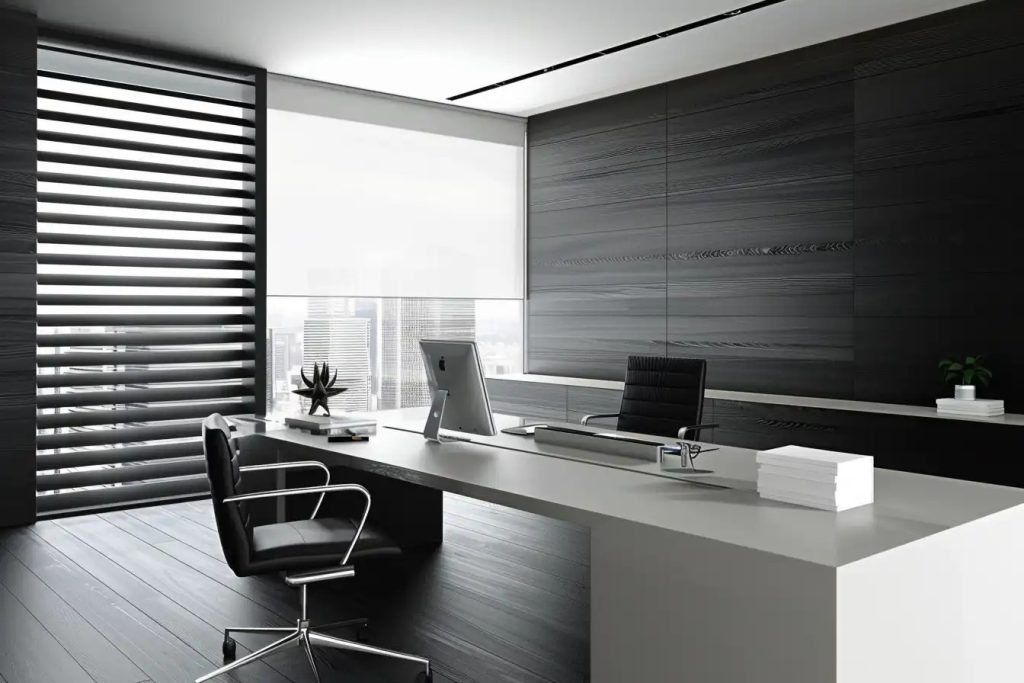
In today’s fast-paced world, minimalist environments have emerged as a powerful tool for enhancing personal efficiency. With a focus on simplicity, these spaces are designed to eliminate distractions and promote clarity. But how exactly do they impact our daily productivity? This exploration into minimalism sheds light on the growing relevance of streamlined spaces in fostering a productive lifestyle.
Key Benefits of Minimalist Spaces
Research suggests that the design of our surroundings has a profound effect on our mental state and efficiency. Consider these advantages of minimalist environments:
- Reduces Clutter: A clutter-free space allows for improved focus and concentration. Studies indicate that individuals working in organized environments are more likely to reach their goals because they spend less time searching for items and more time engaging in productive tasks.
- Enhances Clarity: Simple designs foster clearer thinking and decision-making. For instance, many tech startups in Silicon Valley adopt clean office designs that encourage fluid communication and innovation, reducing mental noise and allowing employees to think critically about their projects.
- Boosts Creativity: A soothing environment stimulates innovative ideas and problem-solving. Artists and writers, for example, often find that minimalistic studios equipped with essential tools inspire more creative work than cluttered, chaotic spaces filled with distractions.
The Role of Time
Moreover, the way we perceive time is also influenced by our surroundings. Minimalist designs can create a sense of spaciousness, prompting:
- A Slower Pace: Less visual stimulation allows for a more reflective mindset. When the environment is not overloaded with extraneous visuals, individuals tend to engage in deeper thinking and introspection rather than rushing through tasks.
- Better Time Management: With fewer distractions, prioritizing tasks becomes easier. For example, in workplaces where a minimalist approach has been applied, employees report enhanced time management skills, resulting in better adherence to deadlines and project timelines.
As we delve deeper into the relationship between minimalist spaces and personal efficiency, we invite you to explore how these environments can transform your productivity. By simplifying your workspace or living area, you might unlock new levels of focus and creativity that had previously eluded you. Stay tuned to uncover practical strategies for applying minimalist principles in your life, such as decluttering techniques, color psychology in design, and time management strategies honed in minimalist environments.
In conclusion, nurturing a minimalist environment can significantly benefit personal and professional life. The more we embrace simplicity, the clearer our minds become, leading to increased effectiveness in our daily tasks. Consider transforming your surroundings today and experience the powerful impact of minimalism on your productivity journey.
DISCOVER MORE: Click here for effective digital detachment strategies
The Science Behind Minimalism and Productivity
To fully grasp the relationship between minimalist environments and personal efficiency, it’s essential to look at the scientific underpinnings that support this phenomenon. Studies in environmental psychology reveal that our physical spaces considerably influence our behavior, emotional states, and cognitive performance. Understanding these connections provides valuable insight into how a minimalist approach can lead to heightened productivity.
Environmental Psychology Insights
Environmental psychology posits that our surroundings can either empower or inhibit our daily actions. According to research, cluttered environments induce stress and distractibility, while minimalist spaces promote calmness and focus. This has profound implications for productivity, especially in work settings where performance pressures are high. Consider these key findings:
- Attention Restoration Theory: This theory suggests that natural environments, or those emphasizing simplicity, allow for the restoration of attention and mental energy. For example, employees in workplaces designed with open spaces and natural light report enhanced work engagement and creativity.
- Distraction and Cognitive Load: A study published in the Journal of Environmental Psychology highlighted that cognitive load increases with clutter, leading to quicker decision fatigue. In contrast, minimalist environments enable individuals to conserve mental energy, ultimately boosting efficiency.
- Spatial Organization and Task Focus: The layout and functionality of a space dictate how effectively tasks can be completed. Workspaces organized with minimal distractions, such as open desks or fewer decorative items, direct focus toward accomplishing specific goals rather than getting lost in unimportant details.
Design Elements that Foster Minimalism
While the science provides a solid foundation, the application of minimalist principles into both work and living environments is where the real transformation occurs. Here are some design elements that further enhance personal efficiency:
- Color Psychology: The use of neutral colors in minimalist spaces can promote calmness and concentration. For instance, many successful companies have adopted white or soft-gray walls that help reduce overwhelming sensory stimuli.
- Functional Furniture: Choosing furniture that serves multiple purposes minimizes clutter. For example, desks with built-in storage or modular seating arrangements can keep the space tidy, allowing for flexibility in usage.
- Minimal Décor: Instead of excessive decorations, featuring a few carefully selected items can imbue personal meaning while maintaining simplicity. This approach prevents visual overload, allowing for easier task management.
By integrating these elements thoughtfully, individuals can reshape their environments into spaces reflecting minimalism’s essence: simplicity, functionality, and efficiency. The synergy between minimalist design and personal productivity continues to gain traction across various fields, from corporate offices to home workspaces. Delving deeper into how these concepts can be practically implemented reveals not only aesthetic benefits but also profound impacts on our daily lives.
Exploring the Benefits of Minimalist Environments
Minimalism isn’t just an aesthetic; it’s a powerful strategy for enhancing personal efficiency. By simplifying your surroundings, you create an environment that fosters concentration and productivity. Research suggests that clutter can overwhelm the brain, leading to decreased focus and increased stress. Conversely, a minimalist environment can significantly enhance your ability to concentrate by reducing distractions.An effective minimalist space prioritizes essential items, allowing individuals to engage with their tasks without the chaos of excess. This leads to improved time management and a clearer mindset, encouraging people to achieve their goals faster. With fewer distractions to navigate, important tasks can take precedence, ultimately leading to higher output quality.Additionally, a minimalist approach promotes sustainability and mindfulness. By choosing to only possess and surround yourself with items of true value, you cultivate a sense of purpose that permeates through your daily routine. The intentionality that accompanies minimalism can also enhance motivation, further improving personal efficiency.
Table of Advantages
| Advantage | Description |
|---|---|
| Increased Focus | Minimalist environments reduce distractions, enabling clearer thoughts and better concentration. |
| Enhanced Productivity | With fewer items demanding attention, individuals can manage their time more efficiently and achieve tasks promptly. |
By harnessing these advantages, individuals can significantly enhance their personal efficiency. The strategic organization of space not only reflects a thoughtful lifestyle but also serves as a catalyst for success in various life spheres. The minimalist philosophy invites exploration into how our physical spaces can shape our mental landscapes.
DISCOVER MORE: Click here to dive deeper
The Transformation of Spaces Through Minimalism
As the understanding of the relationship between minimalist environments and personal efficiency deepens, it becomes increasingly clear that the impact of design goes beyond aesthetic appeal. Minimalism serves not only to declutter physical spaces but also to declutter the mind, leading to significant improvements in work processes and emotional well-being. The transformation comes from a deliberate focus on creating environments that prioritize functionality and simplicity.
The Role of Technology in Minimalism
In today’s fast-paced digital landscape, technology plays an integral role in enhancing minimalist principles within spaces. Smart technology, when implemented mindfully, can streamline everyday tasks and reduce clutter. For example, utilizing cloud storage solutions eliminates the need for physical files, granting users a sense of order and instant access to necessary documents. Moreover, applications that promote time management—like task organizers or calendars—encourage individuals to focus on high-priority tasks without the distractions often caused by overabundance of information.
Biophilic Design as a Minimalist Approach
Another emerging trend that embodies minimalism is biophilic design. This movement integrates nature into built environments, promoting a sense of peace and connection with the natural world. Research from Terrapin Bright Green indicates that workplaces featuring biophilic elements yield a 6% increase in productivity and a 15% increase in well-being among employees. This approach reinforces the idea that simplicity can be powerful, using green walls, natural light, and organic materials to cultivate spaces that invigorate the mind.
Minimalist Workspaces and Employee Well-Being
As organizations adopt minimalist design principles, it translates directly into employee well-being and productivity. Companies such as Google and Apple have embraced open-concept, uncluttered office designs that foster collaboration and creativity. Such spaces encourage spontaneous interactions among employees, which can lead to innovative solutions and increased job satisfaction. A study conducted by Harvard Business Review highlighted that employees in well-organized, minimalist environments are 30% less likely to report feelings of stress, directly correlating to enhanced productivity.
Overcoming Resistance to Minimalism
Despite its evident advantages, transitioning to a minimalist environment can face resistance. Individuals often develop an emotional attachment to possessions, leading to difficulty in decluttering. To combat this, advocates recommend implementing a 30-Day Minimalism Challenge, where participants commit to minimizing one item each day for a month. This practice not only fosters a sense of accomplishment but also alters one’s perspective towards material possessions. Additionally, engaging in workshops or community events focused on the principles of minimalism can cultivate a supportive atmosphere that reassures individuals of its benefits.
As the conversation surrounding minimalist environments and their impact on personal efficiency expands, it is vital to recognize the evolving landscape of workspace design. Individuals and organizations alike are encouraged to delve deeper into the transformative possibilities that minimalism offers, paving the way for a more productive and fulfilling daily experience.
DIVE DEEPER: Click here to learn about the impact of minimalism on your buying habits
Conclusion: Embracing Minimalism for Enhanced Efficiency
In an era where distractions abound, the relationship between minimalist environments and personal efficiency has emerged as a vital consideration for individuals and organizations alike. As demonstrated throughout this exploration, the shift towards minimalism transcends mere aesthetics; it is a profound commitment to creating spaces that enhance focus, reduce stress, and foster productivity. By embracing principles of simplicity and functionality, individuals can cultivate environments that not only streamline their daily tasks but also promote greater emotional well-being.
The integration of technology further amplifies the benefits of minimalism, offering solutions that declutter both physical and mental spaces, allowing individuals to channel their energy towards meaningful work. Moreover, initiatives like biophilic design enrich these minimalist spaces, reconnecting us with nature and amplifying productivity levels. In light of research indicating employees in well-organized environments experience reduced stress and enhanced creativity, it becomes clear that a collective shift toward minimalist practices can redefine not just workplace dynamics, but personal life boundaries as well.
While there may be barriers to adopting minimalism, such as emotional attachments to possessions, actionable strategies like the 30-Day Minimalism Challenge can facilitate an easier transition. Ultimately, the journey towards simplicity is not just about decluttering physical items; it is about fostering a mindset that prioritizes clarity and well-being. By taking these steps, we can unlock new levels of efficiency and fulfillment in our increasingly complex lives. Embracing minimalism is not merely a trend; it is a transformative approach to time and space that stands to benefit us all.