The Art of Letting Go: How Minimalism Facilitates Space Management at Home
Understanding the Shift Towards a Simpler Life
In an age where consumerism is at its peak, the physical and mental clutter in our lives has become increasingly overwhelming for many people. It’s not uncommon to find ourselves surrounded by possessions that lack sentimental value or practical purpose. This overwhelming excess can lead to feelings of anxiety and distraction, making it difficult to focus on what truly matters.
Minimalism is not just about owning fewer possessions; it’s a way of life that encourages individuals to reassess their values and let go of the superfluous. By adopting this lifestyle, you create a more harmonious environment that promotes well-being and efficiency. Minimalism asks the question: What truly adds value to your life? By identifying and prioritizing what is essential, you can cultivate a space that reflects your personal philosophy.
- Identify your values: Reflect on what is meaningful to you. For instance, if you value experiences over material goods, consider allocating your resources toward travel or learning rather than accumulating items.
- Reduce distractions: Clutter can divert your attention and impede productivity. By clearing your surroundings of unnecessary items, such as outdated tech gadgets or clothing you never wear, you free your mind from unnecessary noise.
- Create functional areas: This involves thoughtfully designing spaces in your home. For example, set up a cozy reading nook, a dedicated workspace free from distractions, and a welcoming area for socializing.
The journey to embracing minimalism can be transformative. Numerous studies indicate that a minimalist lifestyle may lead to several significant benefits. For instance, many participants report:
- Lower stress levels: A tidy environment contributes to a calming atmosphere, reducing anxiety and promoting relaxation.
- More time and energy for meaningful activities: With fewer distractions, individuals often find they can devote more time to hobbies, relationships, and personal growth.
- Improved mental clarity and focus: The decluttering process can lead to enhanced concentration, allowing individuals to complete tasks more efficiently.
As you delve into this philosophy, you may discover that finding peace at home does not stem from accumulating more but rather from making intentional choices. By mindfully curating your living space, you open the door to a lifestyle that emphasizes quality over quantity. In a society that often champions excess, the art of letting go becomes a radical and powerful statement towards creating a life imbued with purpose and tranquility.
DISCOVER MORE: Click here to learn how decluttering can boost your morning
The Benefits of Embracing Minimalism in Home Spaces
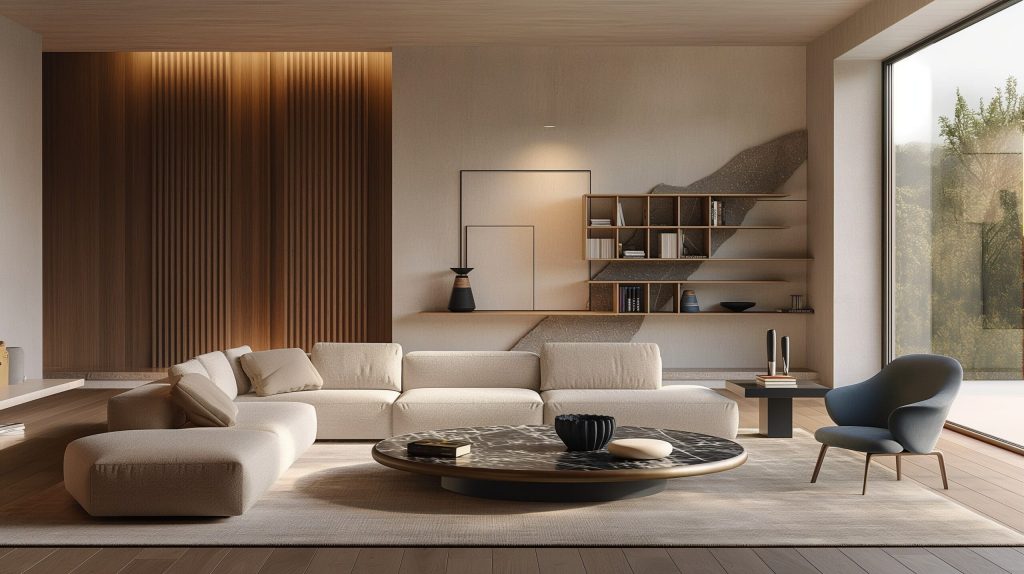
As society shifts towards a quicker pace of life, the struggle to maintain comfort within our homes can lead to an unmanageable accumulation of stuff. Understanding this, many have turned to minimalism as a practical solution to facilitate space management at home. This transition fosters not only an orderly environment but also a clearer mindset. Minimalism encourages individuals to make more intentional choices, ultimately showcasing how letting go can lead to liberation.
Minimalism isn’t just a design trend; it represents a profound way of living. By stripping away the non-essential, you can experience various benefits, particularly when it comes to space management. Below are some key advantages of minimalism that can inspire your journey:
- Enhanced organization: Reducing the number of belongings makes it easier to organize and find what you truly need. With fewer distractions, it is simpler to implement effective storage solutions and organize spaces intuitively.
- Cost savings: Embracing a minimalist approach often means purchasing fewer items, which can lead to significant savings over time. Additionally, it encourages a focus on high-quality, long-lasting products instead of chasing fleeting trends.
- Increased functionality: Every item you choose to keep should serve a purpose. This leads to an increase in the functionality of your home, as each piece contributes positively to your daily life.
- Improved mental health: Research shows that decluttering promotes a sense of calm and reduces anxiety. When your surroundings are tidy and organized, you are more likely to experience clarity and calmness.
Learning to let go of possessions is a practice of mindfulness and intentionality. It compels you to question your attachments to items and encourages an appreciation for simplicity and necessity. In a climate where consumerism thrives, treading the path of minimalism can feel counter-cultural, but the benefits are undeniable. You may start with small changes, such as decluttering one room at a time or even focusing on a specific category of items like clothing or kitchen tools.
Moreover, the prevalence of television shows and documentaries promoting minimalist lifestyles has ignited interest and provided practical examples for individuals seeking simplification. For instance, shows like “Tidying Up with Marie Kondo” endorse a philosophy that advises viewers to keep items that “spark joy,” which emphasizes the emotional connection to our belongings. This notion can be empowering as it shifts the focus from obligation to personal preference.
In conclusion, embracing minimalism as a lifestyle choice allows for more than just a reorganization of your home; it offers a chance to create a living space imbued with purpose and clarity. As you navigate this journey, remember that the art of letting go is a continuous practice, one that can yield vast benefits extending beyond the physical realm, fostering emotional resilience and mental clarity.
| Advantages | Impact on Space Management |
|---|---|
| Simplified Living | Minimalism encourages removing excess items, leading to a cleaner and more calming home environment. |
| Enhanced Focus | With fewer distractions, residents find it easier to concentrate and engage with their surroundings, promoting productivity. |
| Cost Efficiency | Reduced clutter often results in lower maintenance costs and less spending on unnecessary items. |
| Increased Space | A minimalist approach naturally creates more open areas, making rooms feel larger and more inviting. |
Exploring the advantages of minimalism, we can see that adopting this lifestyle significantly enhances not only physical space management but also mental clarity. With a focus on the essentials, minimalism promotes a sense of peace and contentment in households, reinforcing the idea that living with less can lead to a more fulfilling life. Notably, many have observed how eliminating excess can transform one’s perception of space, encouraging a shift toward appreciating simplicity. As we dive deeper into this philosophy, it becomes evident that minimalism is not just a trend, but a valuable practice that merits serious consideration for those looking to streamline their homes and lives.
DISCOVER MORE: Click here to dive deeper</p
Navigating the Emotional Journey of Letting Go
As you embark on the journey of minimalism, the act of letting go extends beyond the physical realm into the emotional landscape. While many appreciate the functional benefits of a decluttered space, it’s the psychological transformation that truly marks the essence of minimalism. Learning to release items that once held significance can serve as a profound exercise in self-reflection and personal growth.
An emotional attachment to belongings can stem from various sources, including nostalgia, sentimentality, or even feelings of guilt. For instance, it may be challenging to part with clothing that once belonged to a loved one or gifts that were thoughtfully given. However, confronting these attachments is a necessary step in fostering a minimalist lifestyle. The process invites you to ask important questions: Does this item enhance my life? Does it align with who I am today? Would I choose to acquire it again? By answering these questions honestly, you can gain greater clarity on what truly matters.
The psychological benefits of releasing these emotional ties are supported by numerous studies. According to a survey conducted by the National Association of Professional Organizers, approximately 82% of Americans feel overwhelmed by their clutter. This overwhelm often leads to decision fatigue, where individuals struggle to make choices about their belongings. Minimalism breaks this cycle by encouraging a more streamlined approach, allowing space not just in your home, but in your mind.
To support this emotional journey, consider implementing the Japanese principle of wabi-sabi, which emphasizes finding beauty in imperfection and transience. This philosophy allows for a deeper appreciation of everyday items, encouraging you to focus on the experiences associated with those items rather than their material value. For instance, instead of keeping a worn-out chair because it was a gift from a dear friend, reflect on the memories shared while sitting in it. Acknowledge those moments, and then allow yourself to release the burden of the chair, making room for new experiences and memories.
Creating a Sustainable Minimalist Mindset
Transitioning to a minimalist lifestyle requires consistent practice and a willingness to reassess priorities over time. Building a sustainable minimalist mindset goes hand-in-hand with developing efficient space management strategies at home. One effective approach is adopting a “one in, one out” rule—whenever you bring a new item into your home, commit to letting go of one existing item. This strategy ensures that your space remains uncluttered and encourages a more mindful purchasing process.
- Emergency decluttering: Set aside time for spontaneous decluttering sessions. When you notice an area becoming cluttered, take a few moments to reevaluate and discard items that no longer serve you.
- Seasonal reviews: Every few months, engage in a thorough review of your belongings. This practice not only helps maintain a clutter-free space, but also allows you to reassess your needs as circumstances change.
- Digital decluttering: Minimalism is not limited to physical possessions. Consider your digital space as well; organizing and deleting apps, files, and emails can enhance your overall sense of clarity.
Incorporating these practices into your life, along with embracing mindfulness about consumption, further solidifies the beneficial effects of minimalism. By learning to manage both your physical and emotional space, minimalism becomes a valuable tool that fosters a serene, functional, and intentional home environment. As you continue to explore the path of letting go, you will find that you’re not merely reshaping your surroundings, but transforming how you engage with the world around you.
DIVE DEEPER: Click here for expert decluttering tips
Embracing the Essence of Minimalism
In conclusion, “The Art of Letting Go” serves as a powerful reminder of the profound impact that minimalism can have on our lives and homes. By prioritizing what genuinely matters and releasing the unnecessary, we discover not just a physically decluttered environment, but a clearer mental and emotional space as well. The emotional journey of letting go challenges us to confront our attachments and reflections, reinforcing the idea that the value of our possessions does not lie in their physicality, but rather in the experiences and memories they embody.
Implementing practical strategies like the “one in, one out” rule, emergency decluttering, and seasonal reviews forms a sustainable foundation for a minimalist lifestyle. Additionally, while engaging in this process, cultivating an awareness of our consumption habits can catalyze a shift towards a more intentional and fulfilling way of living. Embracing the principles of wabi-sabi can enhance our appreciation for the beauty found in imperfection, further allowing us to navigate our emotional ties with our belongings.
As we embrace minimalism, we not only create efficient space management at home but also open ourselves up to new possibilities and experiences. This journey is not just about making room in our homes, but also about fostering a life brimming with purpose and intentionality. The art of letting go invites us to re-evaluate our priorities, facilitating a serene and organized environment that reflects our true selves. So, step boldly into the transformative world of minimalism and relish the freedom that comes with letting go. Your journey towards a more meaningful existence awaits.