The Impact of Minimalist Space Optimization on Productivity in Workspaces

Understanding Minimalist Space Optimization
In the modern work environment, companies are increasingly recognizing the value of minimalist space optimization as a key strategy for boosting employee productivity. This approach revolves around the idea of simplifying the workspace to reduce distractions, allowing employees to fully engage with their tasks. The transition towards cleaner and more organized workspaces not only benefits individuals but also drives overall organizational efficiency.
Research across various industries has shown that a well-organized workspace contributes significantly to several vital aspects of workplace performance:
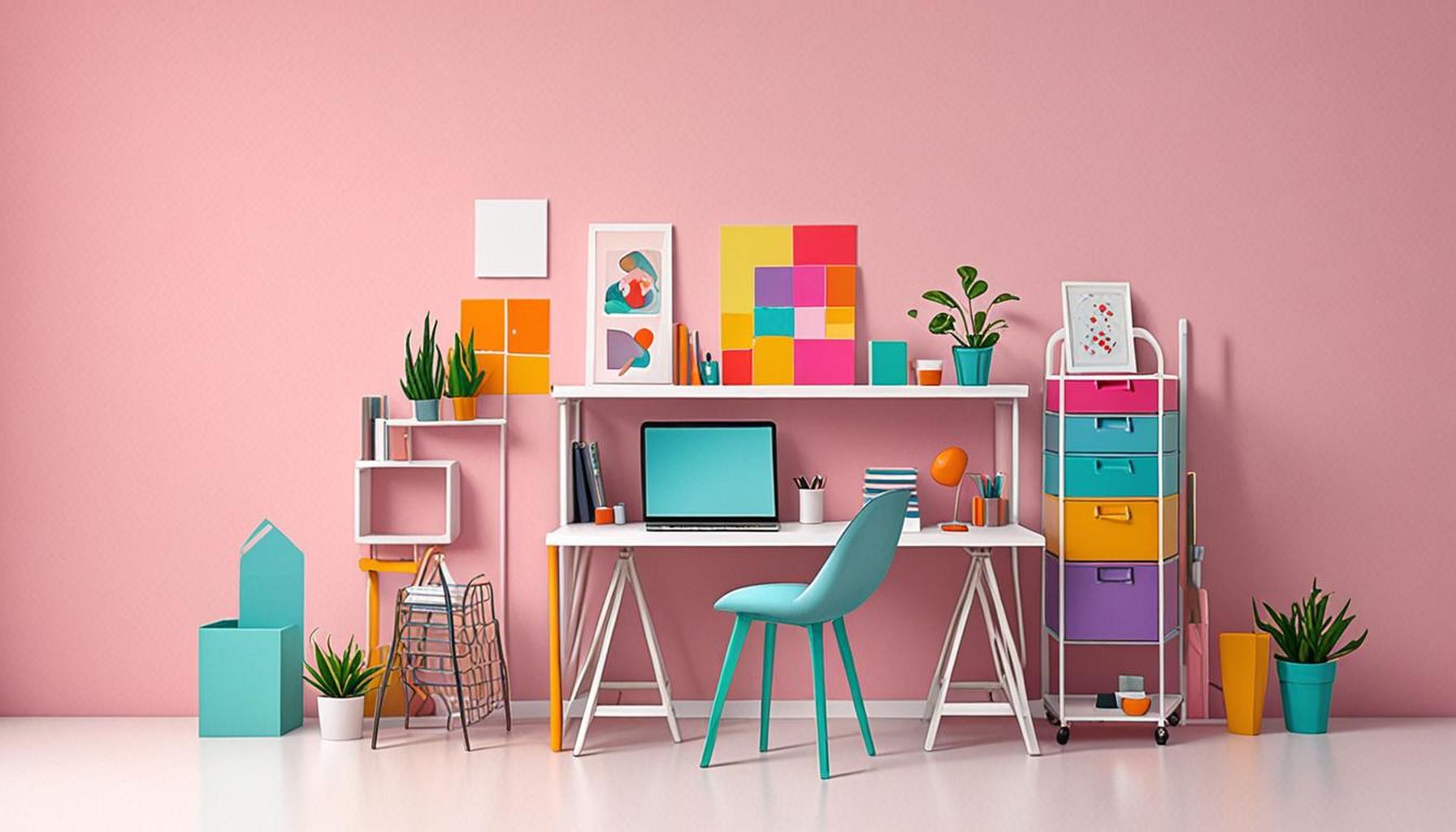
- Increased focus: Minimalist environments are designed to minimize visual clutter; when distractions are reduced, employees can immerse themselves in their work without the interference of extraneous items vying for their attention. For instance, removing unnecessary items from a desk can help individuals maintain concentration on their primary tasks.
- Enhanced creativity: Studies suggest that environments promoting simplicity can lead to greater brainstorming and idea generation. A clear and distinct workspace allows for a clearer mind; free from chaotic elements, individuals are able to think more openly and innovatively.
- Improved time management: Spaces that emphasize minimalism encourage quicker decision-making. A streamlined setup can accelerate an individual’s workflow and promote a culture of efficiency, as seen in tech companies like Google, which has redefined their workspaces to prioritize usability and swift interactions.
The principles of minimalism advocate for environments that are not only aesthetically pleasing but also functionally beneficial. Many American workplaces are shifting from conventional cubicle setups to more open layouts, designed to encourage collaboration and functionality over individual privacy. For example, companies like WeWork have successfully implemented such spaces that emphasize shared amenities and communal experiences, allowing for both teamwork and community building.
However, the impact of these design changes extends well beyond visual appeal. A growing body of evidence indicates that employees working in minimalist environments report significantly higher job satisfaction and reduced stress levels. The physical act of decluttering not only enhances the visual aspect of a workspace but also serves to clear mental bandwidth, enabling individuals to focus on their tasks with renewed energy and clarity.
As we delve further into the implications of minimalist space optimization, it becomes evident that thoughtfully designed workspaces can act as a powerful catalyst for boosting productivity. This approach encourages individuals to engage with their environment in a more meaningful way, promoting both individual satisfaction and overall workplace efficacy. For organizations looking to increase output and morale, embracing minimalism may well be the next step toward achieving their goals.
DIVE DEEPER: Click here to discover the power of mindfulness
Embracing Minimalism in Design
As organizations adapt to the evolving demands of the workplace, the embrace of minimalist space optimization has emerged as not just a trend, but a necessity. The core idea of this design philosophy rests on the belief that “less is more.” By stripping away non-essential items and focusing on functionality, companies create environments that are not only visually appealing but also optimized for productivity. This transition is essential in the age of information overload, where the clutter of unnecessary items continues to distract employees from their core tasks.
One of the foremost implications of minimalist design is its profound impact on employee well-being. Numerous studies indicate that a tidy and well-organized workspace is strongly correlated with mental clarity and overall job satisfaction. When employees are surrounded by an environment that is deliberately curated, they report feeling less stressed and more motivated. The absence of clutter not only improves emotional health but also enhances the ability to prioritize tasks effectively.
Consider these key elements that define successful minimalist workspaces:
- Functional Furniture: Workstations that are adjustable and cater to ergonomic standards provide comfort while promoting productivity. Companies such as Herman Miller are leading the charge with innovative designs that blend aesthetics and functionality.
- Accessible Technology: A minimalist approach emphasizes seamless technology integration. This means strategically positioning devices like monitors and charging stations to uphold the clean and uncluttered look while ensuring efficiency.
- Natural Light Utilization: Harnessing daylight is another cornerstone of minimalist design. Research shows that workplaces flooded with natural light not only save on energy costs but also enhance employee morale and decrease absenteeism. Companies like Salesforce have successfully incorporated extensive windows and open layouts that maximize natural light exposure.
In addition to these practical aspects, the psychological effects of working in a minimalist environment should not be overlooked. Engaging in a workspace that promotes simplicity and cleanliness can trigger a positive feedback loop of productivity. Employees do not just feel better; they perform better. This can be further evidenced by the Airbnb model, where the design promotes both functionality and comfort, allowing for optimal focus during work hours.
Furthermore, the adoption of minimalism goes hand in hand with sustainable practices. It encourages organizations to evaluate their consumption habits carefully and minimize waste, allowing them to foster not only efficiency but also environmental responsibility. In a landscape where corporate responsibility is increasingly under scrutiny, minimalist space optimization serves as a dual boon for productivity and sustainability.
It is clear that the shift towards minimalist space optimization has profound implications for productivity in workspaces. By focusing on what truly matters—functionality, employee satisfaction, and environmental impact—organizations can create work environments that are not only efficient but also conducive to personal growth and well-being.
In today’s fast-paced work environment, understanding the impact of minimalist space optimization on productivity is crucial for businesses aiming to enhance employee efficiency and well-being. Embracing a minimalist approach not only involves decluttering physical spaces but also entails creating a harmonious balance of design and functionality. The focus shifts from overwhelming aesthetics to practical, streamlined elements that facilitate workflow.
Research indicates that a minimalist workspace can lead to significantly lower stress levels among employees. By reducing distractions, employees are able to concentrate better, promoting deeper engagement with their tasks. Moreover, minimalist designs often incorporate natural light and versatile furniture solutions that encourage movement and collaboration. For instance, modular desk arrangements can be easily adjusted to suit various group sizes or tasks, fostering an adaptable work culture.
The application of minimalist principles goes beyond surface-level aesthetics. It’s about crafting an environment where every piece serves a purpose, thereby eliminating unnecessary noise that can inhibit creativity. By focusing on quality over quantity, organizations can create atmospheres that inspire innovation. This thoughtful optimization also extends to digital workspaces, where streamlined interfaces support productivity by minimizing clutter and enhancing user experiences.
Thus, as workplaces evolve, the integration of minimalist space optimization is a vital strategy for fostering productivity, creativity, and overall job satisfaction. Businesses seeking to stay competitive must consider these factors to maintain an engaged and efficient workforce.
| Category 1 | Category 2 |
|---|---|
| Stress Reduction | Minimalist spaces help in lowering stress levels, allowing employees to concentrate better. |
| Flexibility | Versatile furniture promotes movement and collaboration, adapting to different tasks and group sizes. |
DISCOVER MORE: Click here to unlock the secrets of minimalism
The Role of Aesthetic Appeal in Enhancing Focus
In the realm of workspace design, aesthetic appeal plays a crucial role in enhancing focus and engagement. Minimalist spaces, characterized by their sleek lines and harmonious layouts, create a visual experience that is both calming and stimulating. This type of environment invites employees to immerse themselves in their work rather than being distracted by conflicting design elements or decorations. A well-considered minimalist aesthetic influences not just the ambiance but also shapes the overall workforce dynamics, leading to a more efficient operational flow.
Art installations and controllable lighting are prime examples of how visual elements can be employed strategically to boost productivity while maintaining a minimalist ethos. Innovative companies are adopting biophilic design, which integrates natural elements into workspace aesthetics. This approach has shown to foster creativity and reduce mental fatigue. According to a study published by the Journal of Environmental Psychology, workplaces that incorporate plants, natural patterns, or water features report significant improvements in employee mood and focus. Google, for instance, has incorporated nature-centered elements in their campuses, resulting in increased well-being among employees and clients.
Fostering Collaboration through Open Spaces
Another significant aspect of minimalist space optimization is the layout of workspaces. Traditional closed-off office styles often hinder spontaneous collaboration, while modern minimalist setups encourage interaction through open spaces. This design philosophy allows for clear lines of communication and collaboration among teams, promoting creativity and innovation. Research from the University of Exeter indicates that employees in environments that foster collaboration are 15% more productive than their peers in isolated settings.
- Flexible Work Zones: Minimalist spaces often include flexible work zones that can be adapted for various styles of collaboration. Teams can easily repurpose these areas for brainstorming sessions, group discussions, or quiet personal work, ensuring that the workspace meets diverse needs.
- Acoustic Considerations: Attention to acoustic performance in open spaces is another aspect that helps maintain productivity. Sound-absorbing materials, coupled with designated quiet areas, allow for focused work without sacrificing collaborative opportunities.
The integration of digital collaboration tools further enhances the effectiveness of these open environments. Platforms such as Slack, Microsoft Teams, and Asana encourage seamless communication and project management, allowing employees to focus on their tasks without the distraction of traversing large or cluttered spaces. In a minimalist workspace, these digital interfaces can be easily accessible, thereby promoting a smooth workflow and collaboration.
The Importance of Personalization
While minimalist design emphasizes fewer items, it also presents an opportunity for personalization. Allowing employees to incorporate personal elements—like photographs, motivational quotes, or favorite artwork—helps to foster a sense of ownership and connection to their workspace. According to a survey conducted by Future Workplace, 64% of employees feel that personalization positively impacts their productivity. This balance between minimalism and personalization cultivates an environment where individuals can thrive while reducing the overwhelming distraction often caused by excessive decor.
Ultimately, minimalist space optimization not only impacts aesthetics but also shapes the culture of the workplace. By prioritizing intentional design, organizations create an environment that aligns with the needs of modern employees, fostering a culture of respect, creativity, and high productivity. As the landscape of work continues evolving, the alignment between minimalist principles and productivity will remain a pivotal focus for organizations seeking to engage their workforce effectively.
DISCOVER MORE: Click here to enhance your mental well-being
Conclusion: Embracing Minimalism for Productivity Gains
The journey through the principles of minimalist space optimization reveals a powerful connection between workspace design and employee productivity. As our understanding of work environments evolves, it becomes increasingly clear that simplicity and intentionality are paramount. Minimalist workspaces discard clutter, providing employees with a streamlined environment that fosters both concentration and collaboration. The integration of natural elements, thoughtful layouts, and personalized touches not only enhances aesthetic appeal but also cultivates a culture of engagement.
The evidence is compelling: companies embracing minimalist design principles often see a notable boost in productivity. Increased flexibility in work zones, effective acoustic management, and the incorporation of digital collaboration tools create a harmonious balance between focused work and social interaction. In fact, studies indicate that productivity can increase by up to 15% in environments designed for collaboration. With these insights, businesses can strategically employ minimalist designs to address the diverse needs of their workforce.
As organizations in the United States and beyond seek to adapt to the rapid changes in modern work culture, prioritizing minimalism in workspace design may prove to be a game-changer. It’s not merely about aesthetics; it’s about creating environments that align with employees’ needs, foster innovation, and ultimately drive success. Moving forward, companies willing to invest in intentional design will likely find themselves at the forefront of a productive and engaged workforce, navigating the future of work with confidence.