The impact of technology on the accumulation of disorder and how to control it
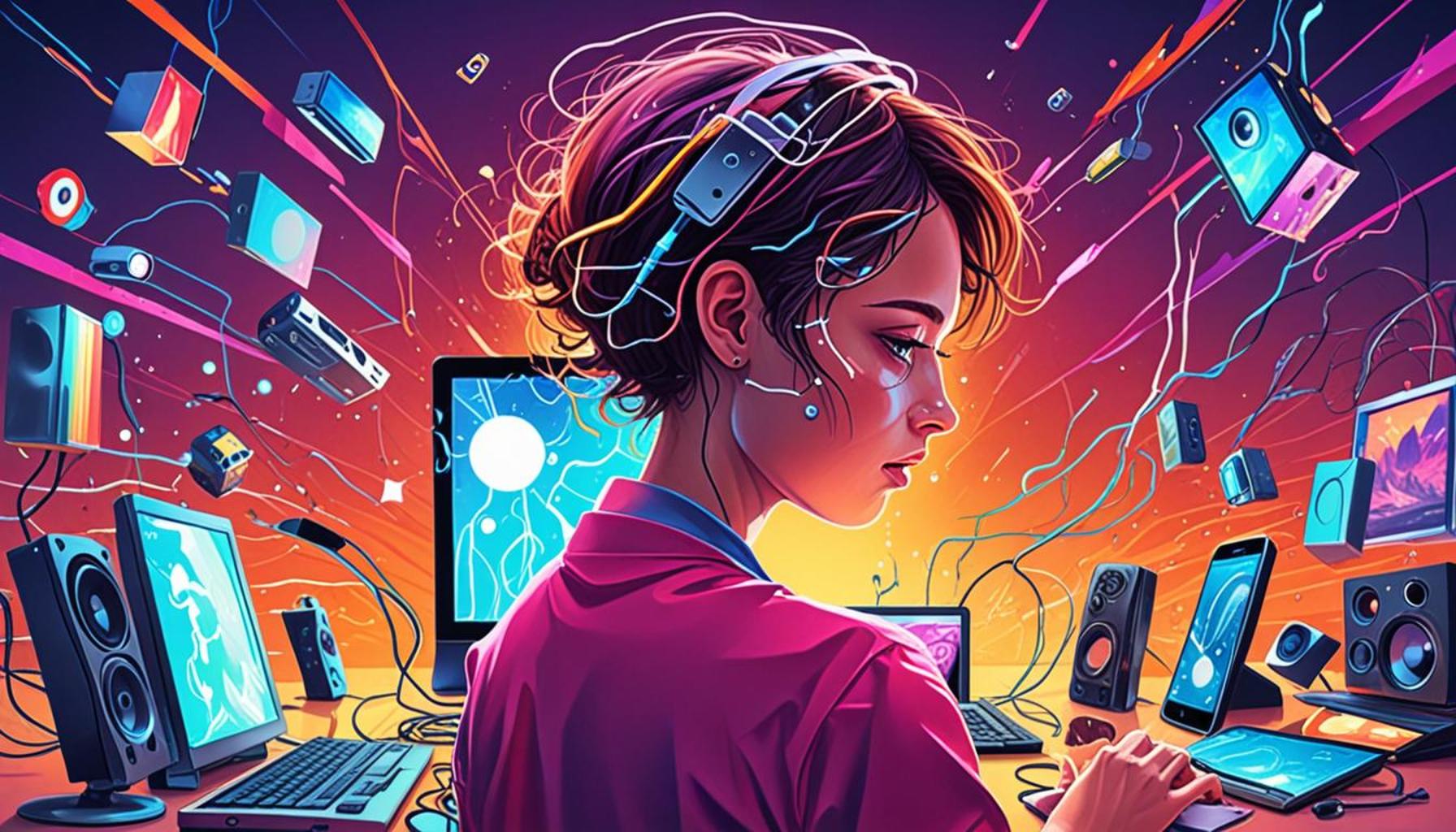
Understanding the Impact of Technology
In our rapidly evolving society, the role of technology is significant, extending into every facet of life. While the advancements in technology provide remarkable benefits—like improved communication and enhanced access to information—they also contribute to complexities that can be daunting. Individuals and organizations need to comprehend this dual impact in order to thrive in a digital landscape that can often feel chaotic.
What Drives Disorder?
The proliferation of technology is a double-edged sword, presenting unique challenges that contribute to everyday disorder:
- Information Overload: The internet is a vast repository of knowledge, producing an incessant flow of data. Users face the dilemma of filtering through excessive information, which can lead to confusion and anxiety. For instance, a simple search for “best practices for healthy eating” can yield millions of results, each providing conflicting advice. This overwhelming amount of information complicates decision-making, causing frustration.
- Digital Distraction: Modern devices continuously bombard users with notifications, emails, and instant messages. These distractions fragment attention and hinder productivity. According to research from the University of California, Irvine, it can take an average of 23 minutes and 15 seconds to regain focus after a distraction. This distraction is exemplified in workplaces where employees find it challenging to concentrate due to the chatter of messaging apps and social media updates.
- Social Disconnect: While technology aims to connect people, it paradoxically can lead to weakened personal relationships. A growing number of individuals report feeling loneliness and social isolation despite being “connected” online. For example, a study by Cigna found that nearly half of Americans experience feelings of loneliness, often attributed to social media consumption that replaces face-to-face interactions with virtual engagements.
How to Regain Control
Understanding and taking action to address these technological challenges can empower individuals to reclaim their mental and emotional well-being. Here are some effective strategies:
- Mindfulness Practices: Engaging in mindfulness techniques such as meditation, yoga, or simple breathing exercises can assist in managing the stress that arises from technology usage. Research suggests that these practices can enhance focus and reduce anxiety, enabling users to experience a calmer digital experience.
- Digital Decluttering: Taking time to evaluate and reduce the number of applications and information sources can help streamline digital lives. This may involve deleting unused apps or unsubscribing from emails that contribute to the feeling of overwhelm. Such decluttering can lead to a more organized and manageable digital space, allowing for more intentional engagement with technology.
- Setting Boundaries: Establishing designated ‘tech-free’ periods not only encourages healthier habits but also fosters deeper connections with those around us. For example, family dinners or gatherings could be tech-free zones, enhancing conversations and interactions in a way that digital devices cannot replicate.
As we continue to navigate the complexities of modern life shaped by technological advancements, it is essential to explore and understand the dual impact these tools have on our existence. By actively addressing the inherent challenges, we can carve out a healthier relationship with technology, leading to an enriched and balanced life.
DISCOVER MORE: Click here to learn how minimalism can boost your time management skills
The Technology-Induced Chaos in Daily Life
The relentless advancement of technology significantly influences how we experience the world around us. As conveniences multiply, so do the challenges associated with managing them. One of the most prominent issues that arise in this technology-driven era is the accumulation of disorder, both in our physical environments and mental landscapes. Understanding the underlying factors that contribute to this chaos can shed light on effective methods for regaining control.
The Rise of Information Overload
One of the most significant contributors to disorder in the digital age is the phenomenon of information overload. With more than 4.5 billion people connected to the internet, the sheer volume of information available at our fingertips can be overwhelming. A typical American adult encounters approximately 34 gigabytes of information every day, which translates to the equivalent of reading over 100 newspapers. This deluge of content often leaves individuals feeling paralyzed by choice and unsure of which information is relevant or reliable.
Faced with this overabundance of data, individuals frequently resort to superficial browsing, which lacks depth and understanding. This behavior not only contributes to confusion but also fosters decision fatigue. Researchers have found that too many choices can lead to stress and anxiety, causing many to disengage or make hasty decisions that don’t meet their needs.
The Challenge of Sustained Focus
In addition to information overload, the digital landscape is rife with constant distractions that fracture attention. Numerous studies have shown that the average person checks their smartphone over 96 times a day, with each interruption impacting cognitive performance and productivity. The consequences are particularly dire in workplace settings, where the distractions of emails, messages, and social media posts can derail productivity. A survey from the Harvard Business Review reported that employees lose an astonishing up to 6.2 hours per week to distractions, leading to decreased efficiency and increased stress levels.
Moreover, the instant gratification culture perpetuated by technology encourages multitasking, which is often counterproductive. Psychologists note that multitasking can reduce overall productivity by as much as 40%, as the brain shifts gears between tasks, leading to fragmented thought processes and diminished quality of work.
The Illusion of Connection
Furthermore, while technology appears to facilitate connectivity, it can ironically facilitate a sense of social disconnect. Platforms that claim to bring us closer often create barriers to authentic relationships. A study conducted by Pew Research Center indicated that nearly 60% of Americans feel lonelier despite being constantly online. This loneliness can stem from substituting social media interactions for genuine face-to-face engagements, leading to shallow relationships that do not fulfill emotional needs.
As we delve deeper into the impact of technology on our lives, it becomes imperative to address the layers of disorder it perpetuates. Recognizing how information overload, distractions, and social disconnect contribute to our collective experience of chaos is the first step toward crafting solutions that can help reestablish balance in our lives.
The Role of Technology in Managing Disorder
As the complexity of modern life increases, so too does the challenge of managing disorder. Technology plays a dual role in this equation; on one hand, it can exacerbate feelings of chaos through information overload, while on the other, it empowers individuals and organizations with tools to regain control. The rise of big data, artificial intelligence, and machine learning provides unprecedented opportunities for managing disorganization effectively. For example, predictive analytics can help businesses anticipate disorder in their operations by analyzing patterns from large datasets. By implementing these technologies, organizations can streamline processes, reduce waste, and enhance productivity, thus mitigating the risk of chaotic scenarios. Similarly, personal productivity applications enable individuals to organize their tasks and schedule, providing clarity amid life’s distractions. Moreover, methods such as automation can drastically reduce human error, which often contributes to disorder. By automating routine tasks, both at work and in personal settings, individuals can focus on higher-order decision-making. For instance, smart home devices not only enhance efficiency but also introduce a level of order; they can schedule and automate everyday household tasks, thereby freeing up time and mental energy.Another critical aspect of controlling disorder through technology lies in its application for mental well-being. Apps designed for mindfulness and stress reduction illustrate how technology can counteract mental clutter and promote clarity. Such tools provide resources for managing anxiety and can lead to a more organized mental landscape, which is crucial in an age where digital distractions are abundant.In summary, while technology can contribute to feelings of disorder, its potential to create systems, promote efficiency, and foster mental well-being paints a hopeful picture. Understanding how to leverage these tools effectively is at the heart of navigating the delicate balance between chaos and order in a highly digitized world.
| Category | Advantages |
|---|---|
| Predictive Analytics | Anticipates trends and minimizes disruption through data-driven decision making. |
| Automation | Reduces human error and frees up mental energy for critical tasks. |
| Mindfulness Apps | Promotes mental clarity and helps combat feelings of anxiety and chaos. |
DIVE DEEPER: Click here to enhance your mental health and productivity
Strategies to Regain Order in a Tech-Saturated World
As the prevalence of technology continues to surge, finding ways to manage the disorder it creates has become increasingly vital. While the challenges seem daunting, various strategies can empower individuals to regain control over their environments and mental spaces. By implementing thoughtful approaches, one can effectively navigate the chaos brought on by technological advancements.
Digital Detox: A Necessary Escape
One essential strategy to manage technology-induced disorder is embarking on a digital detox. This practice involves temporarily stepping away from digital devices and social media platforms to rejuvenate mental clarity. Recent studies suggest that disconnecting from technology, even briefly, can enhance mood, reduce anxiety, and improve focus. Many people report feeling liberated and re-engaged with the world around them after participating in a digital detox.
For example, a 2021 study published in the journal Psychology of Popular Media found that participants who practiced a week-long digital detox experienced a 40% reduction in feelings of anxiety and a boost in overall life satisfaction. Incorporating designated “tech-free” hours into one’s daily routine allows for more substantial engagement in face-to-face interactions, hobbies, and outdoor activities, reinvigorating one’s sense of connection and purpose.
Harnessing the Power of Mindfulness
Along with digital detoxing, the practice of mindfulness can be a powerful tool against technology-induced disorder. Mindfulness involves focusing on the present moment and practicing awareness without judgment. Research has illustrated a link between mindfulness and improved cognitive functioning, helping individuals better withstand the barrage of distractions from technology.
Practicing mindfulness techniques, such as meditation, yoga, or simply taking deep breaths, can significantly reduce stress levels and enhance focus. A Johns Hopkins University meta-analysis revealed that mindfulness meditation can lead to a moderate improvement in psychological well-being, indicating its effectiveness in counteracting the chaos generated by our device-driven lives.
Implementing Structured Digital Habits
Establishing structured digital habits can also create a more balanced relationship with technology. Setting specific times for checking emails and social media can reduce the impulse to constantly engage with devices. A study from the University of California, Irvine found that self-imposed boundaries, like limiting social media use to fifteen minutes per session, led to enhanced productivity and reduced feelings of being overwhelmed.
Additonally, utilizing productivity tools and applications can help keep digital chaos in check. For instance, utilizing features like “Do Not Disturb” or setting app usage timers can assist in minimizing distractions, enabling individuals to focus on essential tasks without unnecessary interruptions.
Creating a Minimalistic Digital Environment
Finally, adopting a minimalistic approach to digital space can significantly alleviate disorder. This includes decluttering digital files, unsubscribing from unnecessary newsletters, and simplifying app choices. Research has shown that a tidy digital environment enhances cognitive performance and reduces anxiety levels. In a survey conducted by Unclutterer, over 70% of respondents reported feeling less stressed when their digital workspace was organized compared to when it was cluttered.
By consciously implementing these strategies, individuals can wrestle back control from technology and foster a more serene existence. Acknowledging the profound effects of digital overload can inspire proactive steps that will cultivate well-being in this technologically saturated society.
DISCOVER MORE: Click here for effective strategies
Conclusion: Navigating the Digital Labyrinth
The rapid expansion of technology has undoubtedly transformed many aspects of our lives, creating a reality where disorder seems to escalate alongside our reliance on digital devices. This chaos can lead to heightened stress, decreased productivity, and a pervasive sense of disconnect from reality. Yet, by embracing intentional strategies, such as digital detoxing, mindfulness, and developing structured digital habits, individuals can regain command over their environments and cultivate a healthier coexistence with technology.
Research indicates that adopting these practices not only alleviates feelings of anxiety but also enriches our interactions with the world, allowing for deeper connections and more meaningful experiences. Creating a minimalistic digital environment, while simplifying our tech interactions, can serve as a solid foundation for enhancing mental clarity and cognitive functioning.
As our lives become increasingly intertwined with technology, the responsibility lies with us to carve out moments of serenity in the noise. By recognizing the impact technology has on our mental spaces, we open the door to taking thoughtful actions that prioritize well-being in this digital age. Ultimately, the quest for order amidst disorder is not merely a challenge but an opportunity for personal growth and a chance to redefine our relationship with technology, ensuring that it serves us rather than dictates our lives.
In conclusion, embracing these proactive measures can pave the way for a more balanced and fulfilling existence, encouraging individuals to explore and discover the profound value of intentional living in today’s tech-saturated world.